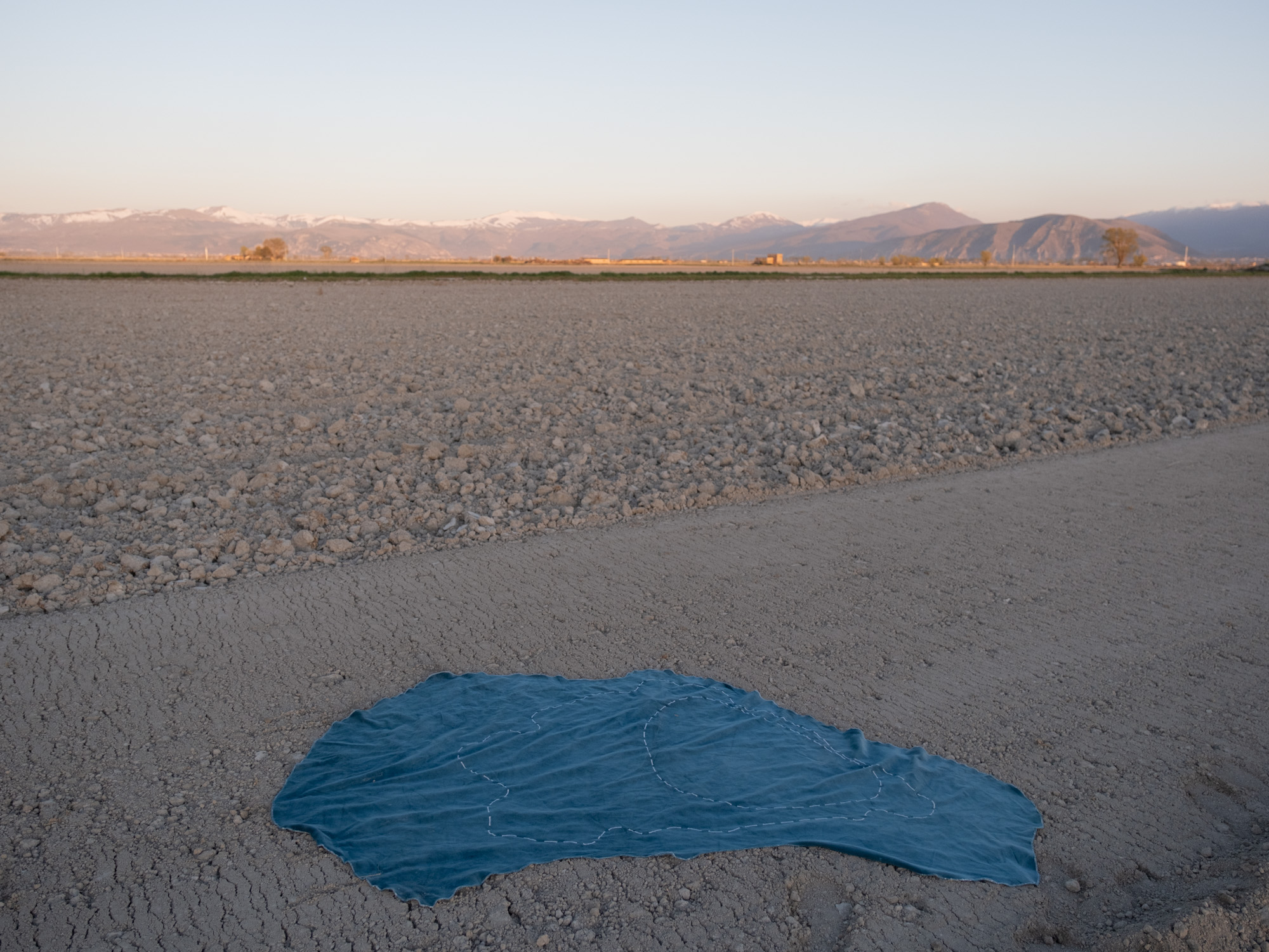
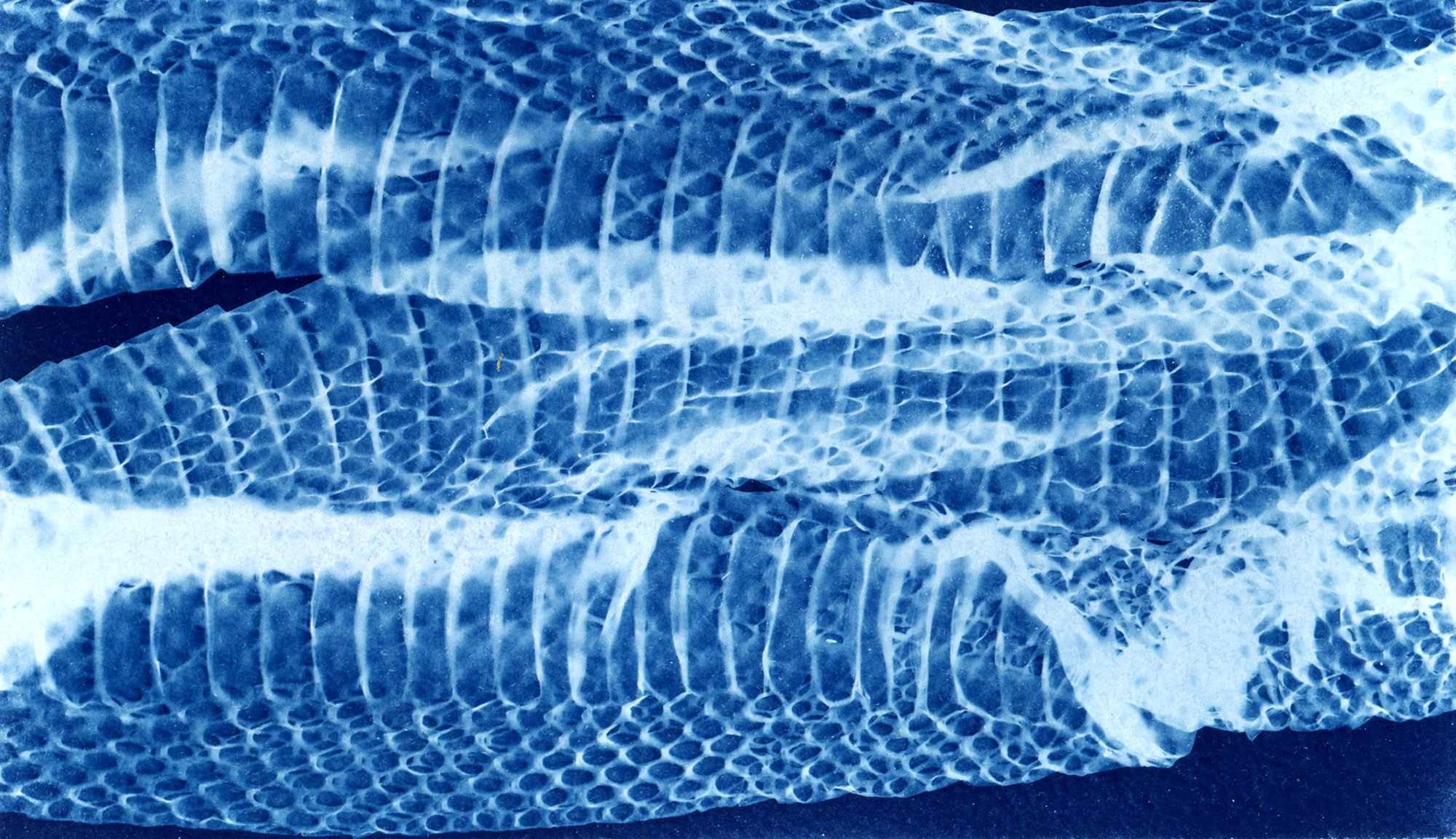
Giovanni worked as a mechanic at the sugar refinery owned by the Torlonia family.
The VanishedLake
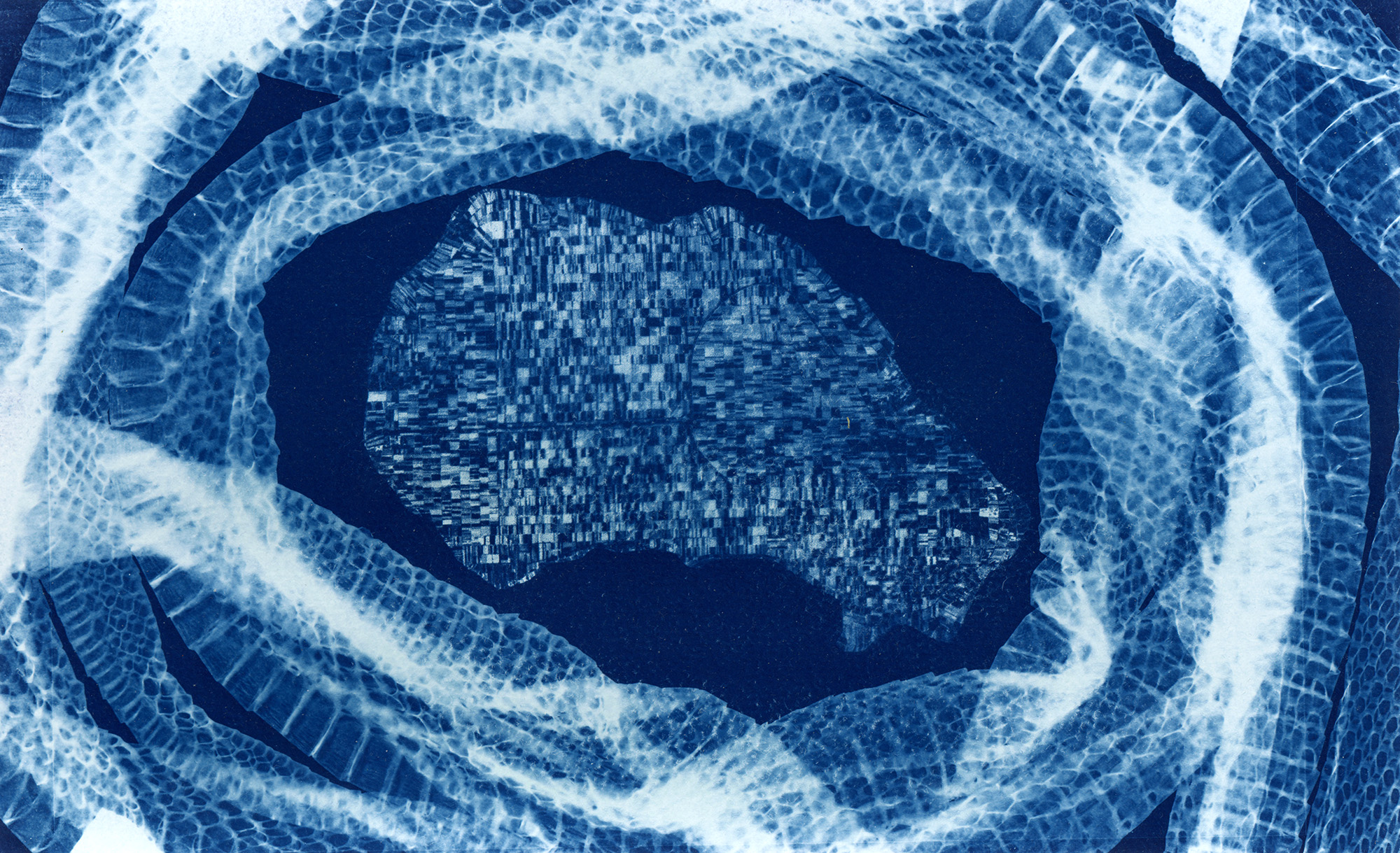
Lorenzo Mariani · Marsica, AbruzzoCyanotype combining a satellite view of the Fucino plain with shed snake skins.
The Vanished Lake investigates the disappearance of Lake Fucino, once Italy's third-largest lake, and the traces it continues to leave on the landscape and collective memory of the Marsica region.
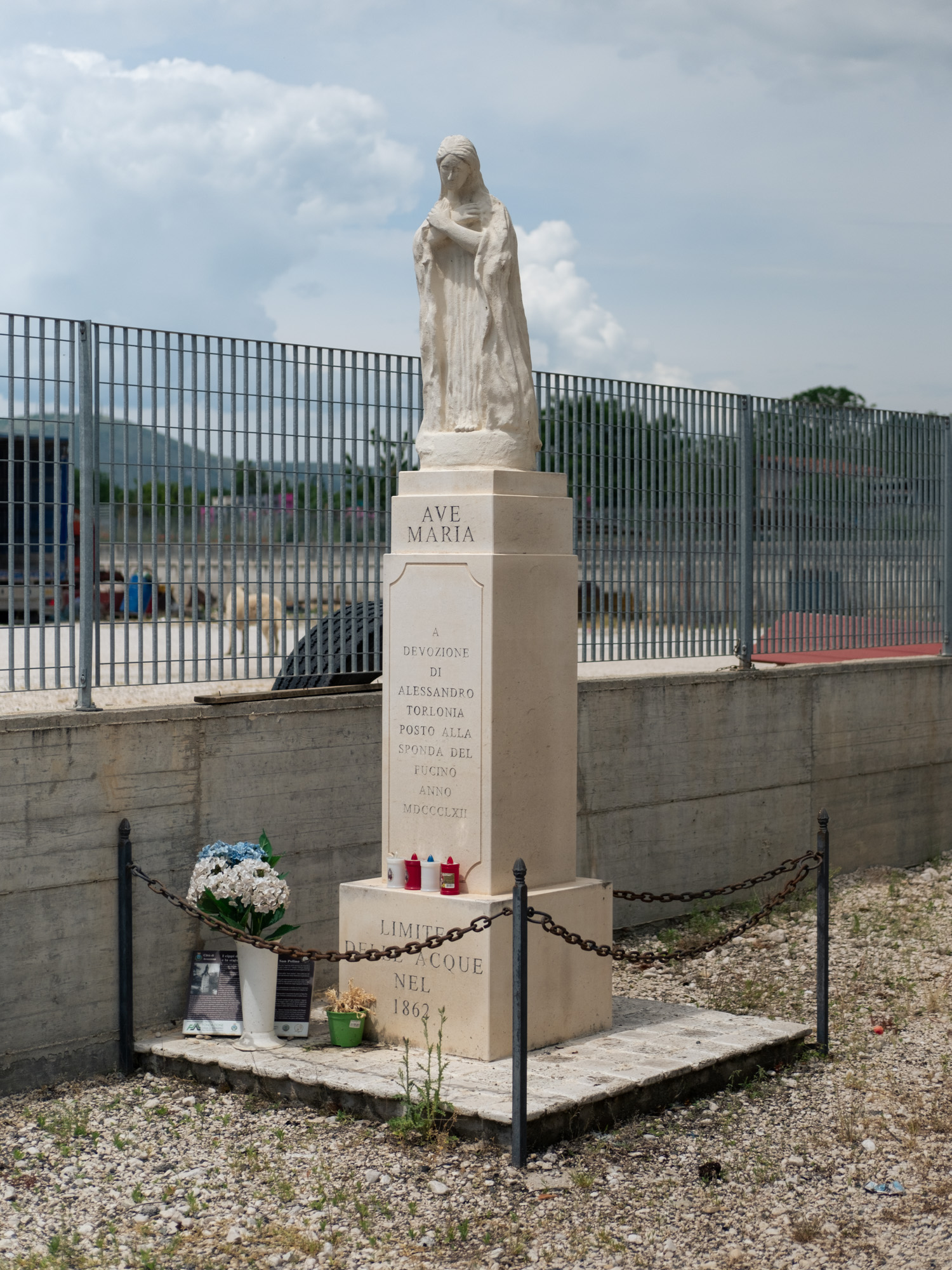
After centuries of attempts to control its waters, Lake Fucino was drained in 1878 by Prince Alessandro Torlonia. In exchange, the Italian government granted him ownership of the newly emerged lands. Celebrated as a triumph of engineering and modernity, the drainage radically altered a territory that for millennia had been defined by the presence of water. The former lakebed was transformed into one of Italy's most productive agricultural plains, while the Torlonia family established a de facto feudal system that shaped the social and economic life of the region for generations.
The history of the lake intersects with that of my own family. My great-grandfather, Giovanni, worked for the Torlonia estate and died in a workplace accident at the age of thirty-six, when my grandfather was only one year old. Like the lake, his presence survived through scattered fragments, a handful of photographs, a few documents, and stories passed down across generations.
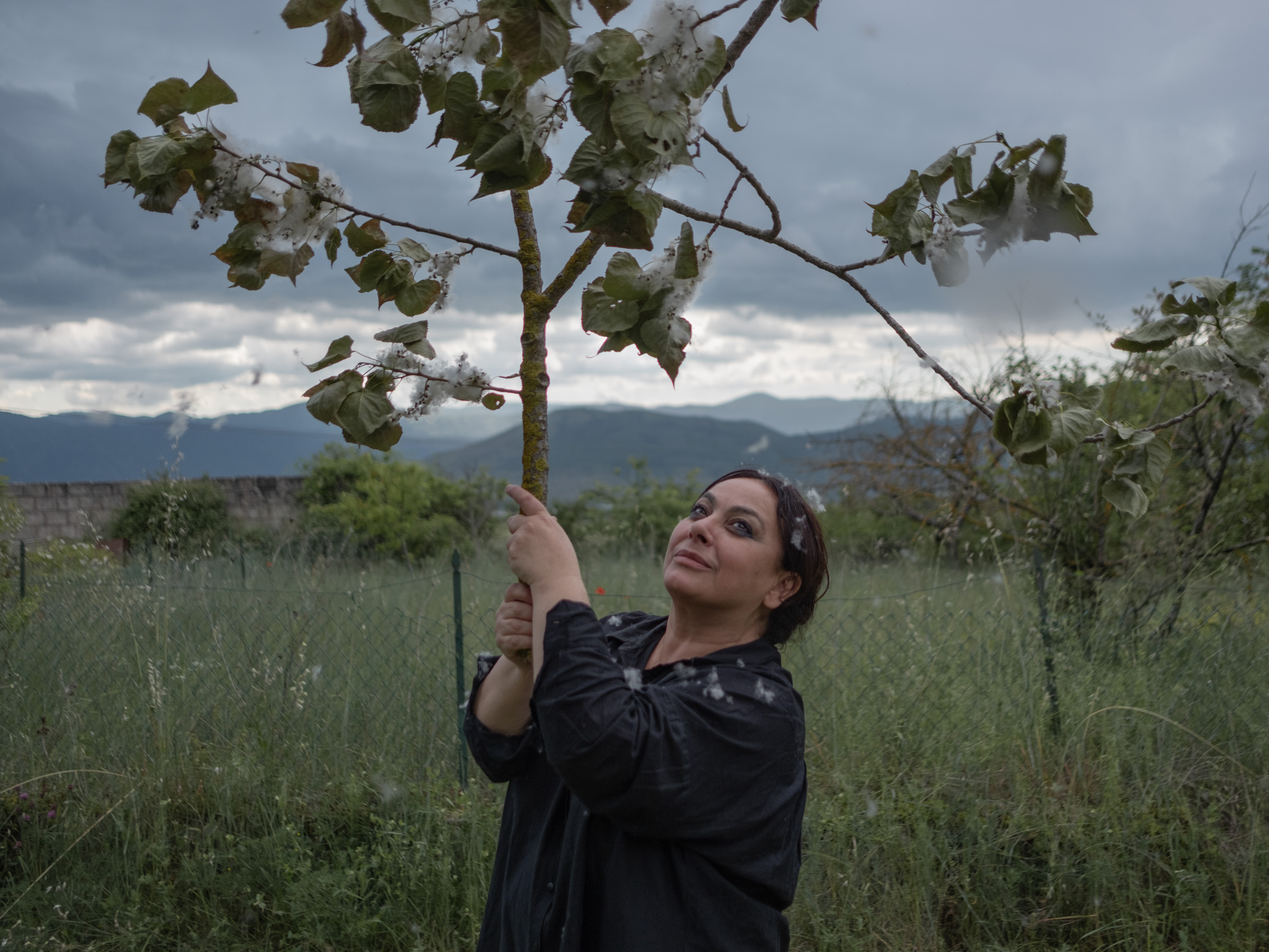
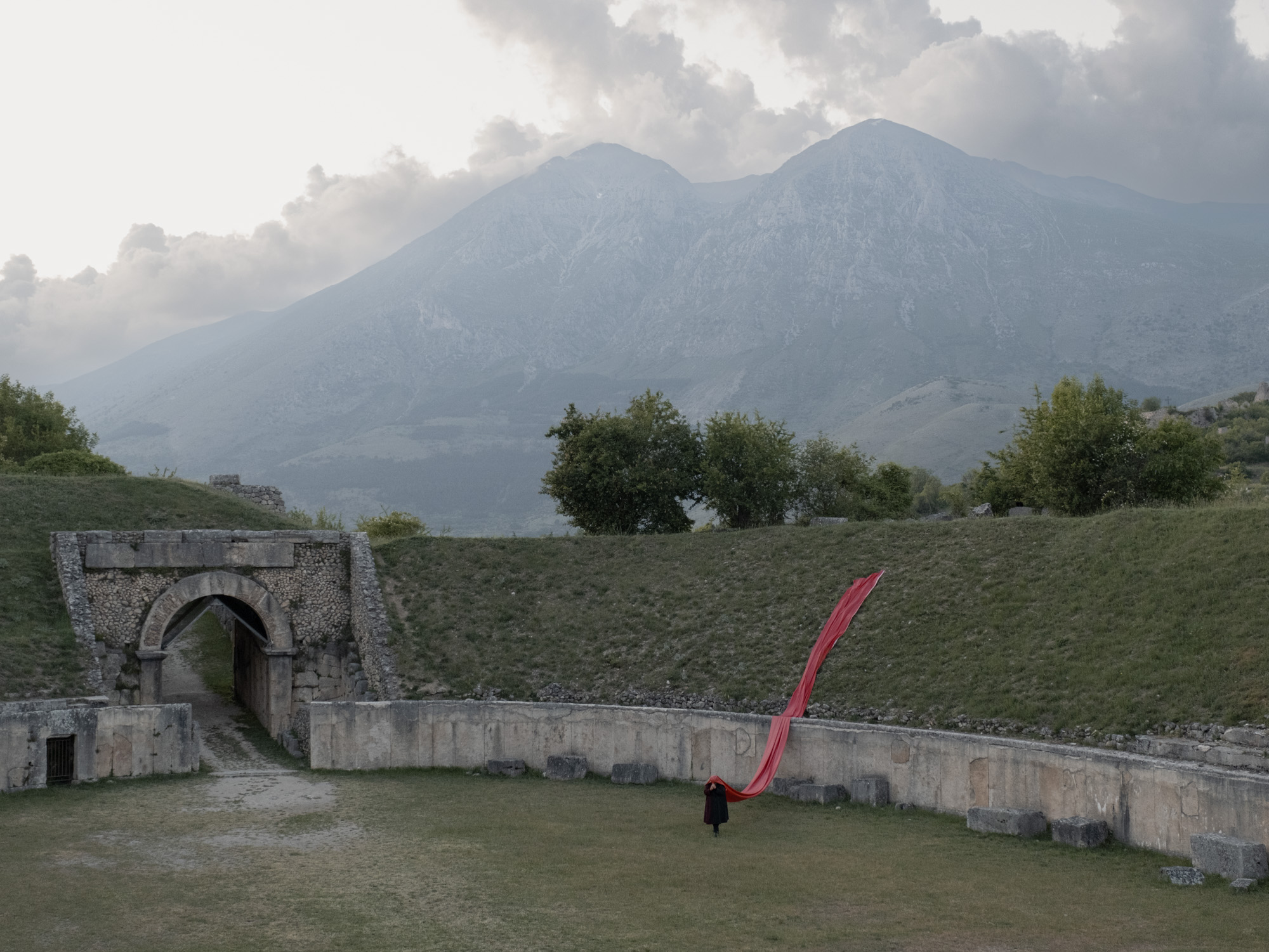
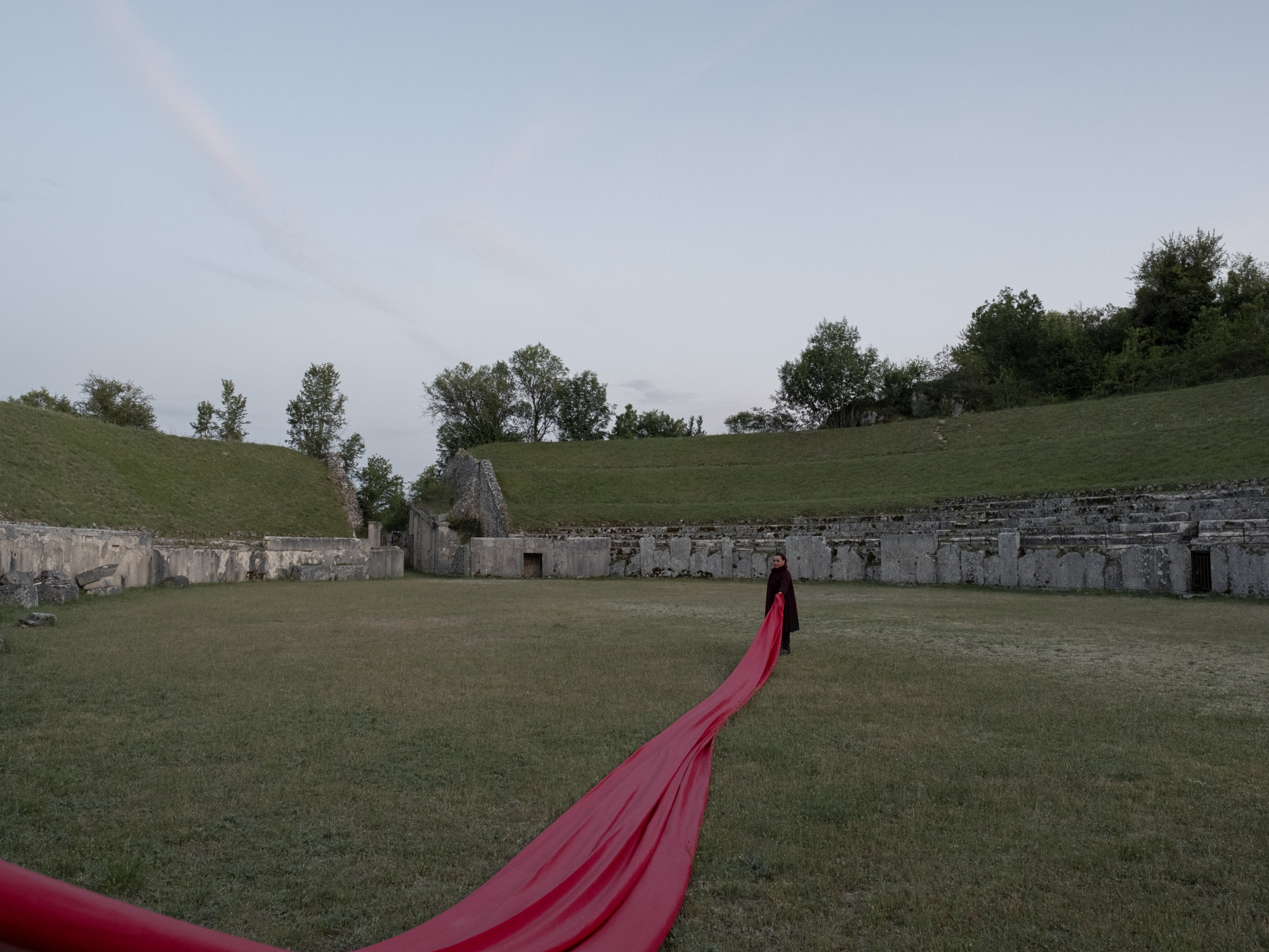
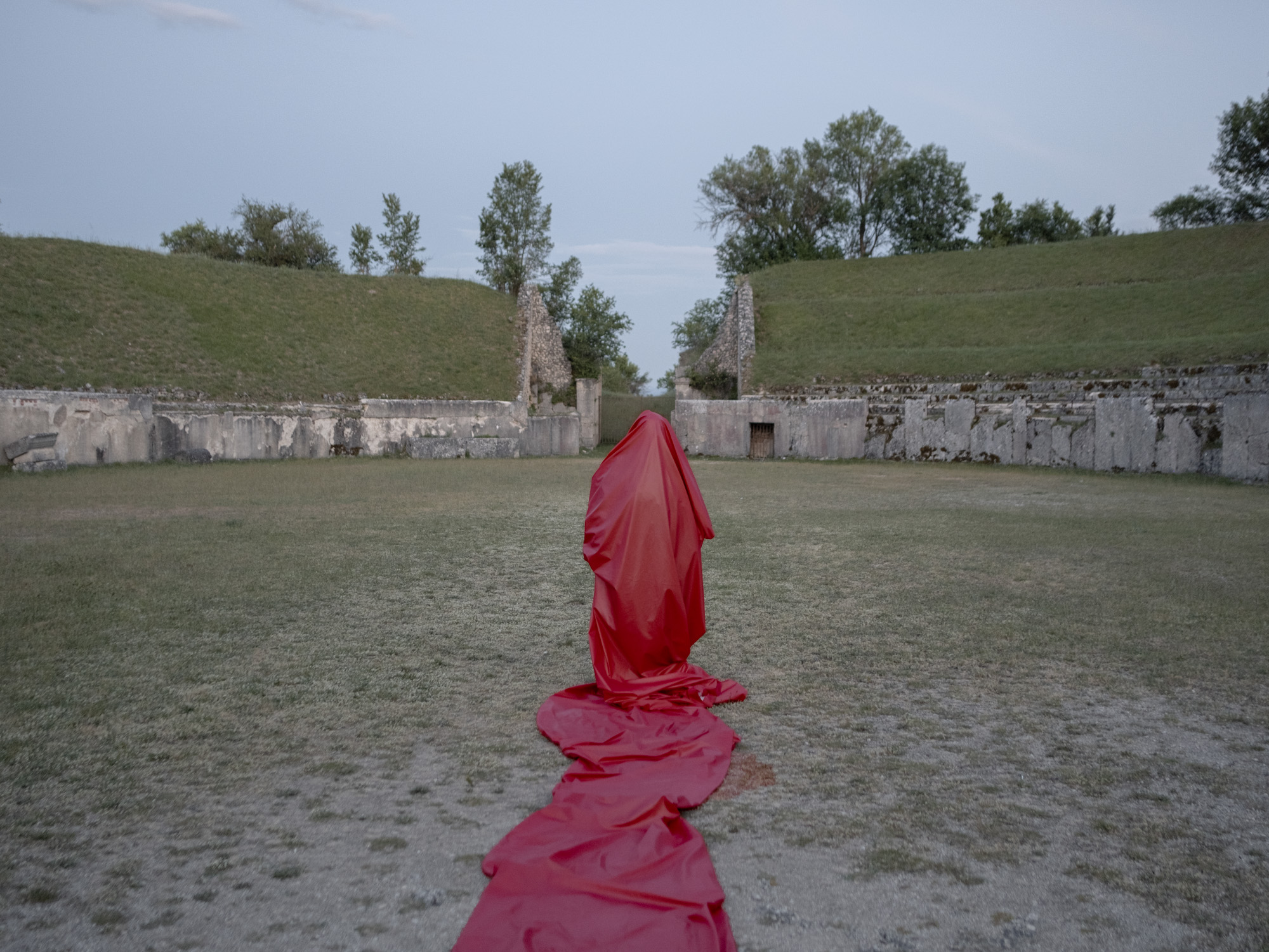
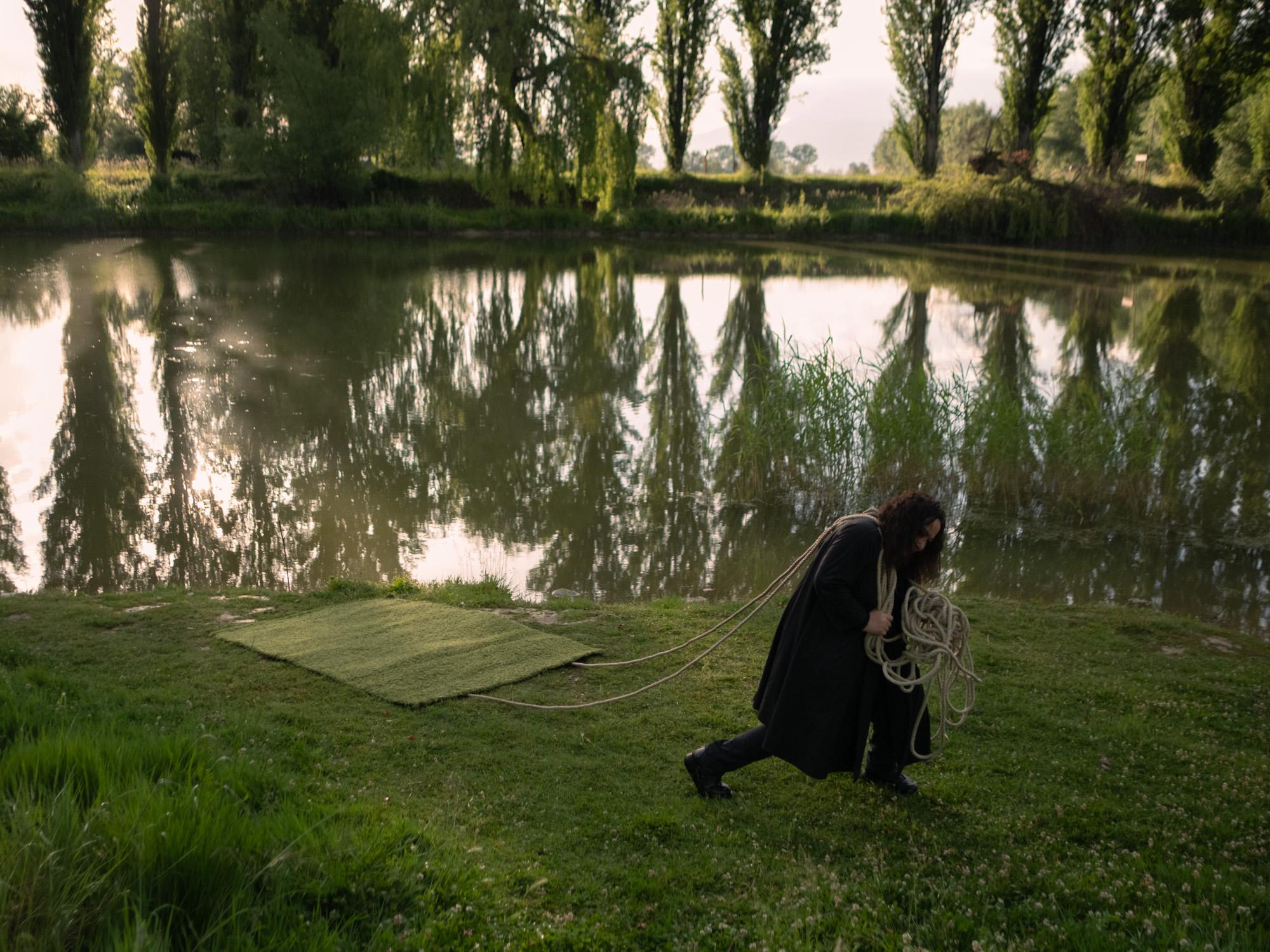
The project emerged from these fragments and from the parallels between the disappearance of the lake and the gaps left within family memory. Drawing on historical documents, family archives, and photographs, it explores the relationship between memory and territory. Developed in collaboration with playwright and actress Stefania Evandro, my aunt, the work reconstructs fragments of both the history of Lake Fucino and my own family history through performative actions staged within the former lake basin.
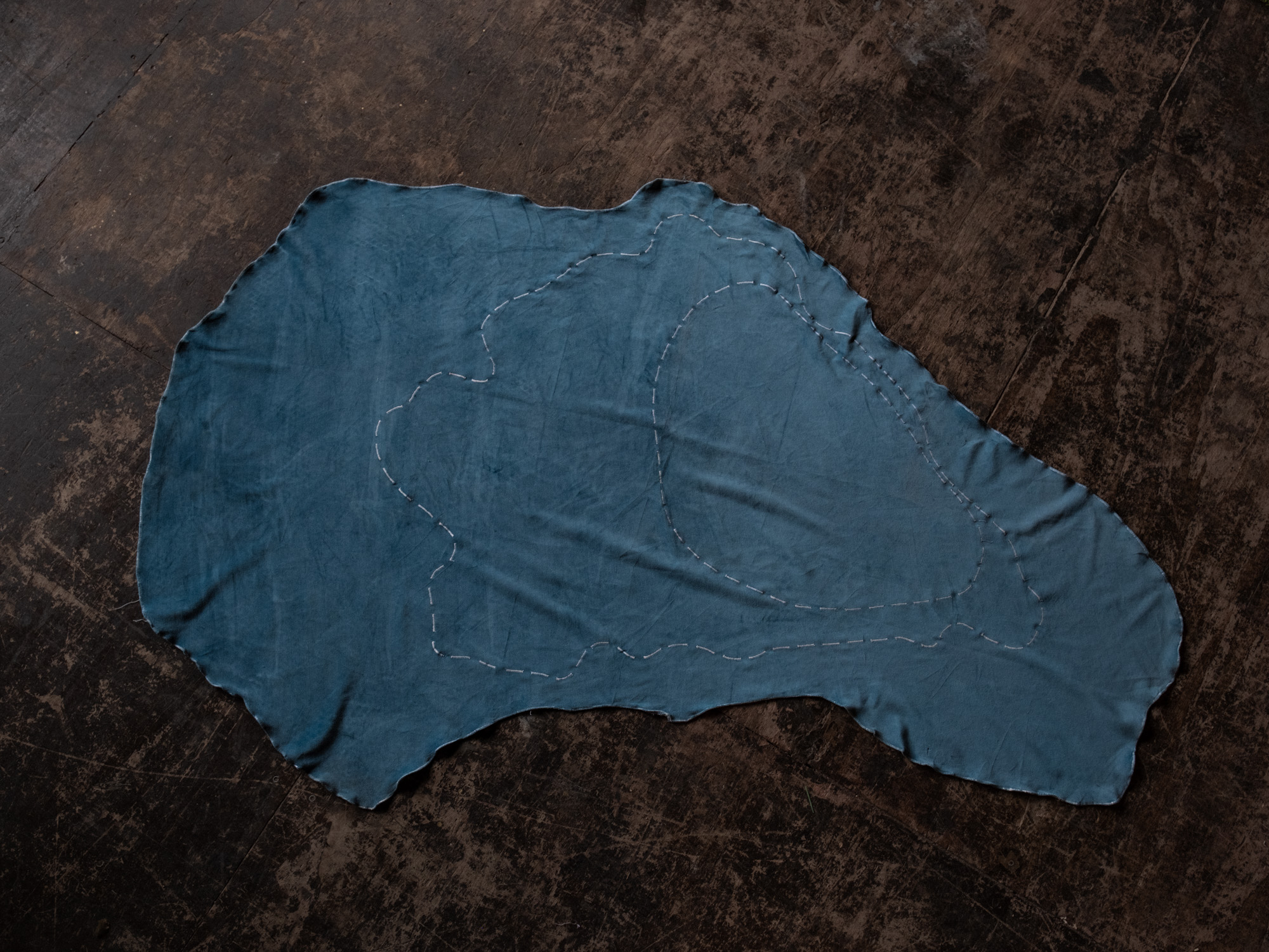
“This lake is vast as a sea. […] at times its waters rise to the height of the mountains which surround it, and at others subside so much that the places which had been covered with water reappear and may be cultivated.” Strabo · Geography, Book V, Chapter 3
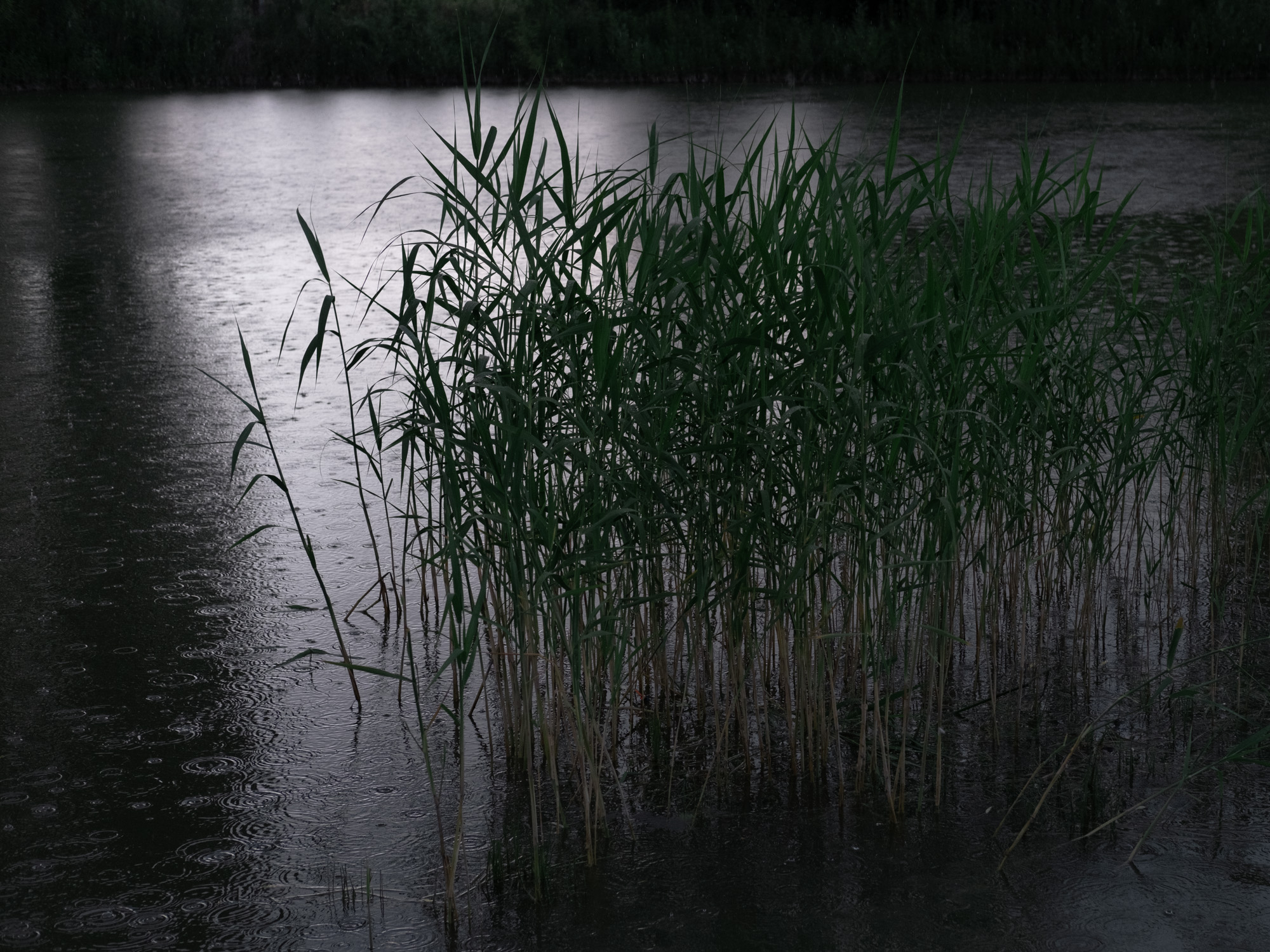
For millennia it dominated the landscape of Abruzzo, a region in central Italy, shaping the lives, economy, and beliefs of the communities that lived along its shores.

- Name
- Giovanni Evandro
- Place of birth
- Santa Maria Capua Vetere
- Date of birth
- 13 February 1895
- Father
- Gennaro Evandro
- Mother
- Rosa Fabiani
- Height
- 1.60 metres
- Eye colour
- Blue
- Complexion
- Pale
In 1900, following his father’s appointment as a prison guard at the local penitentiary, Giovanni moved with his family to Avezzano, in Abruzzo.
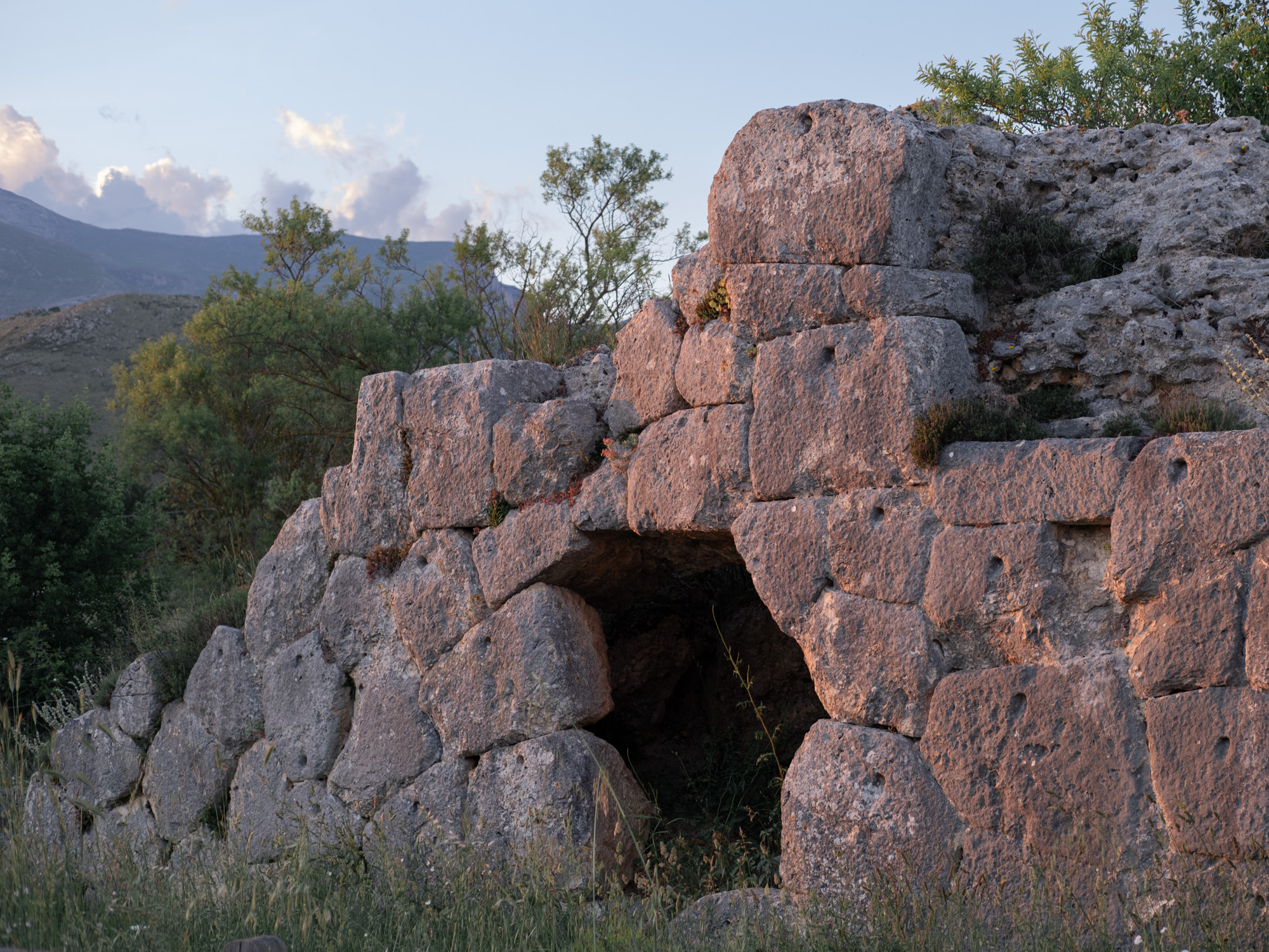
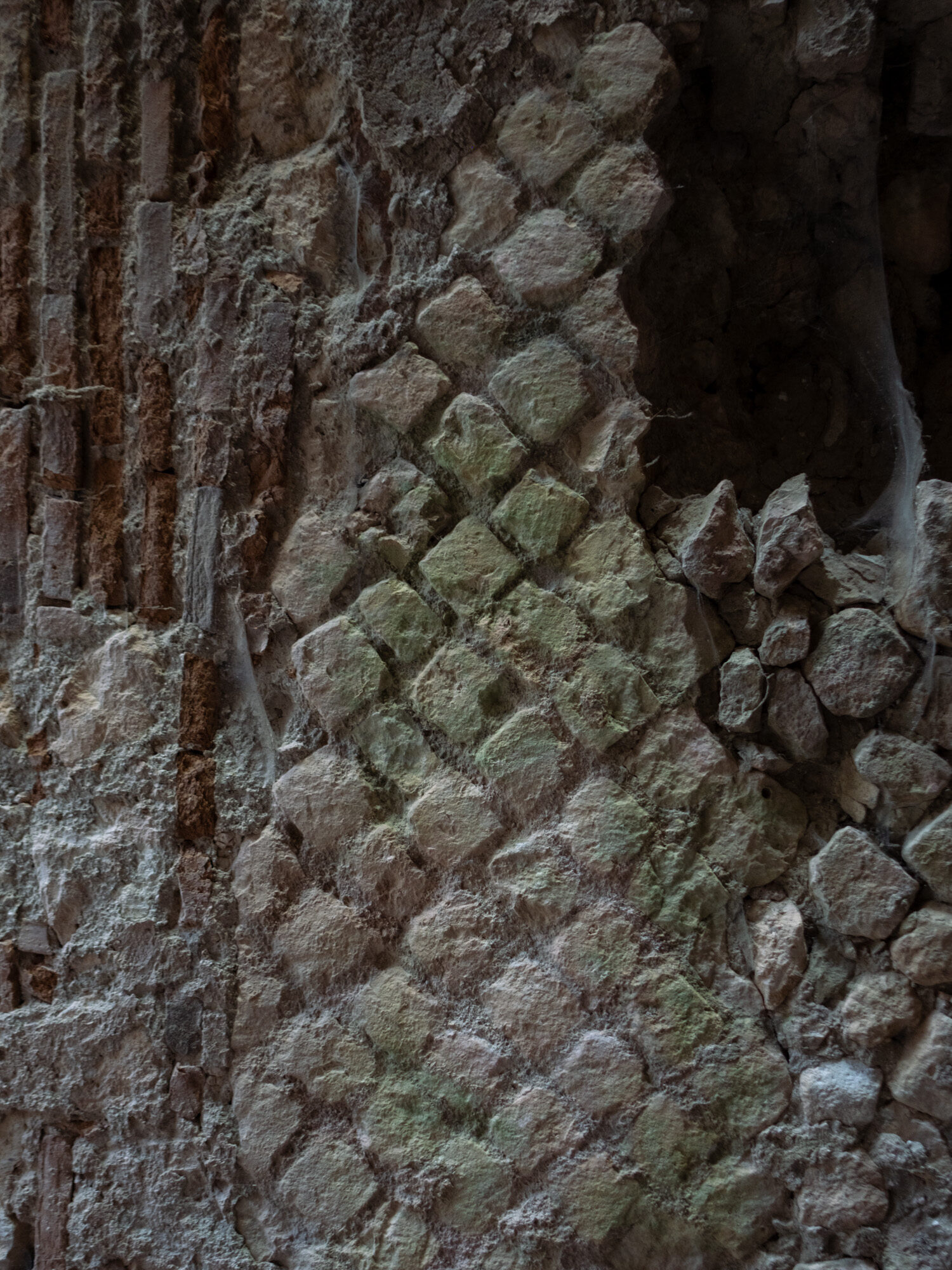
The Marsi settled in the area during the early first millennium BC. According to local legend, when their ancestors arrived, they found massive stone walls already standing and believed they had been built by giants.
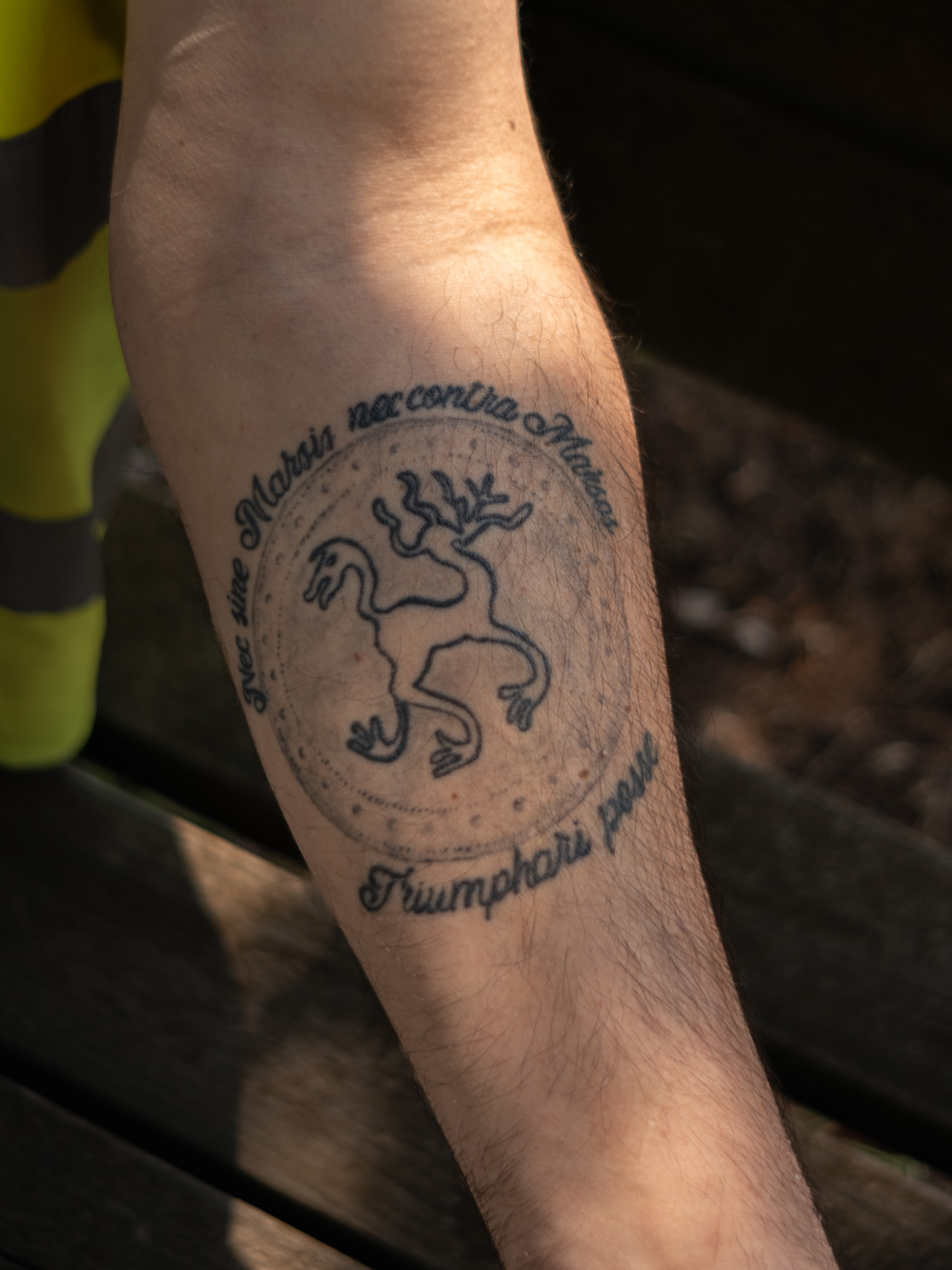
Nec sine Marsis, nec contra Marsos triumphari posse “Neither without the Marsi, nor against the Marsi can victory be achieved.” Appian · Historia Romana

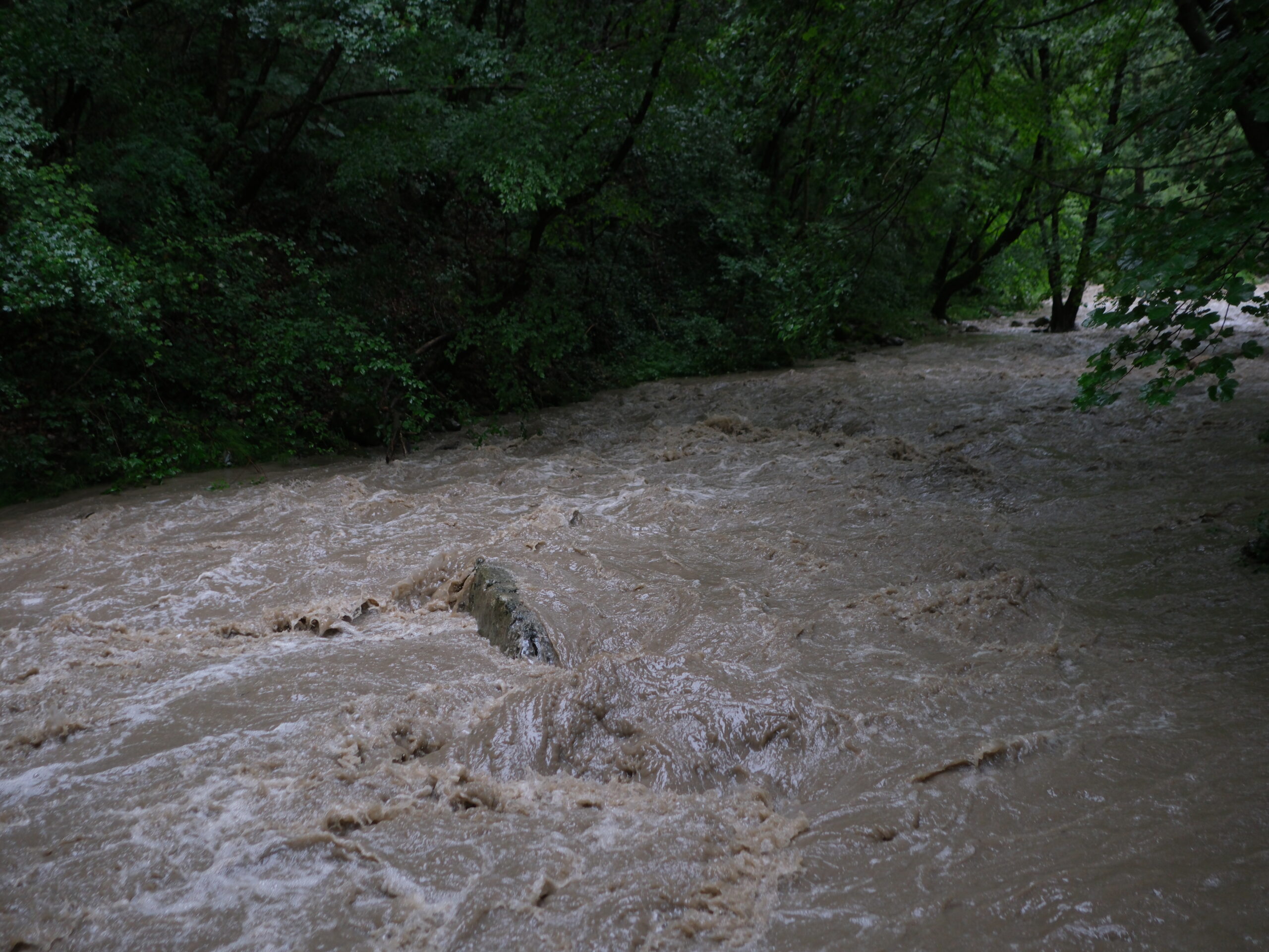
Pliny the Elder and Muzio Febonio describe how the river entered the lake without mixing with its waters, forming a long ribbon across the basin.
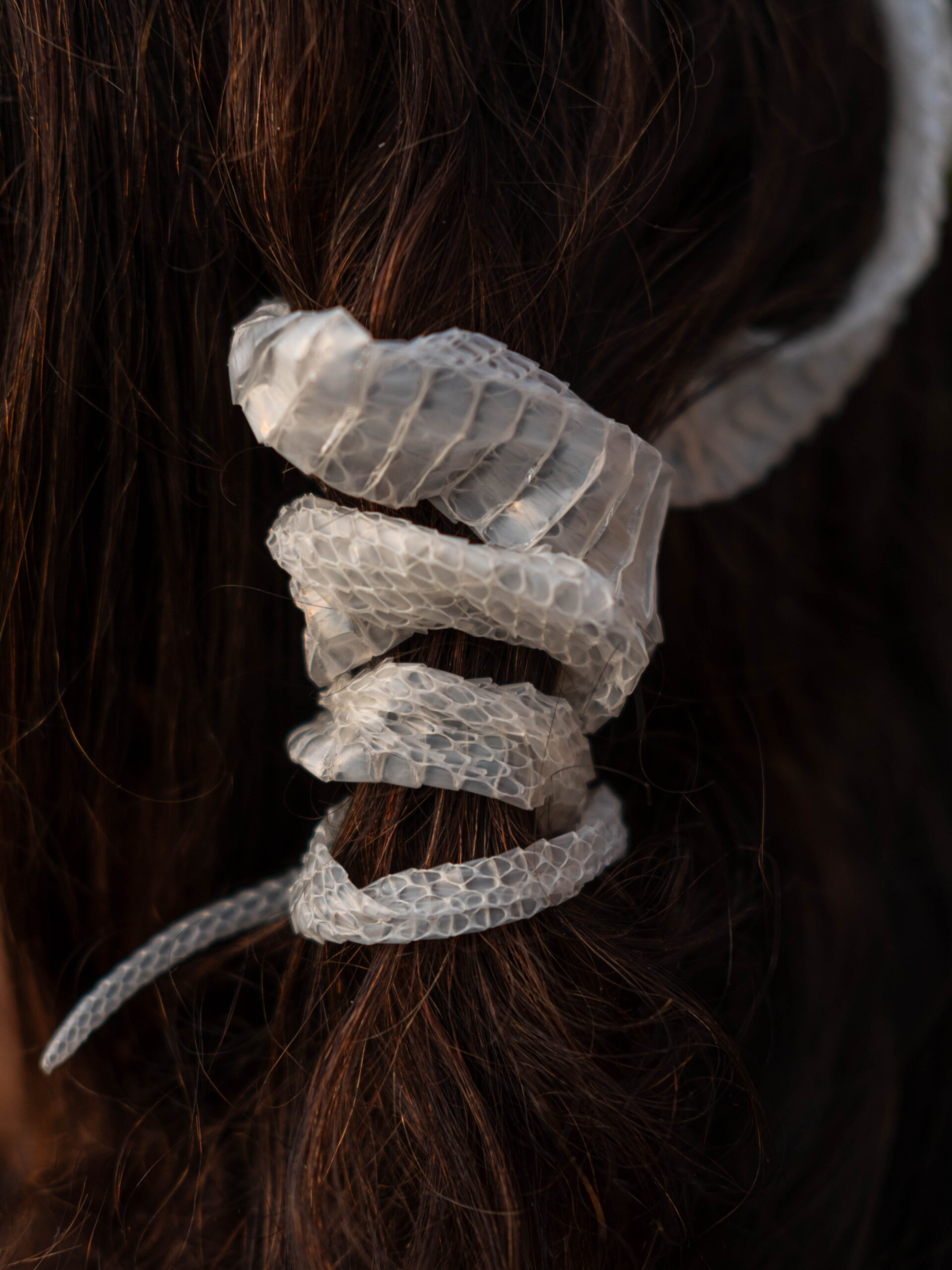
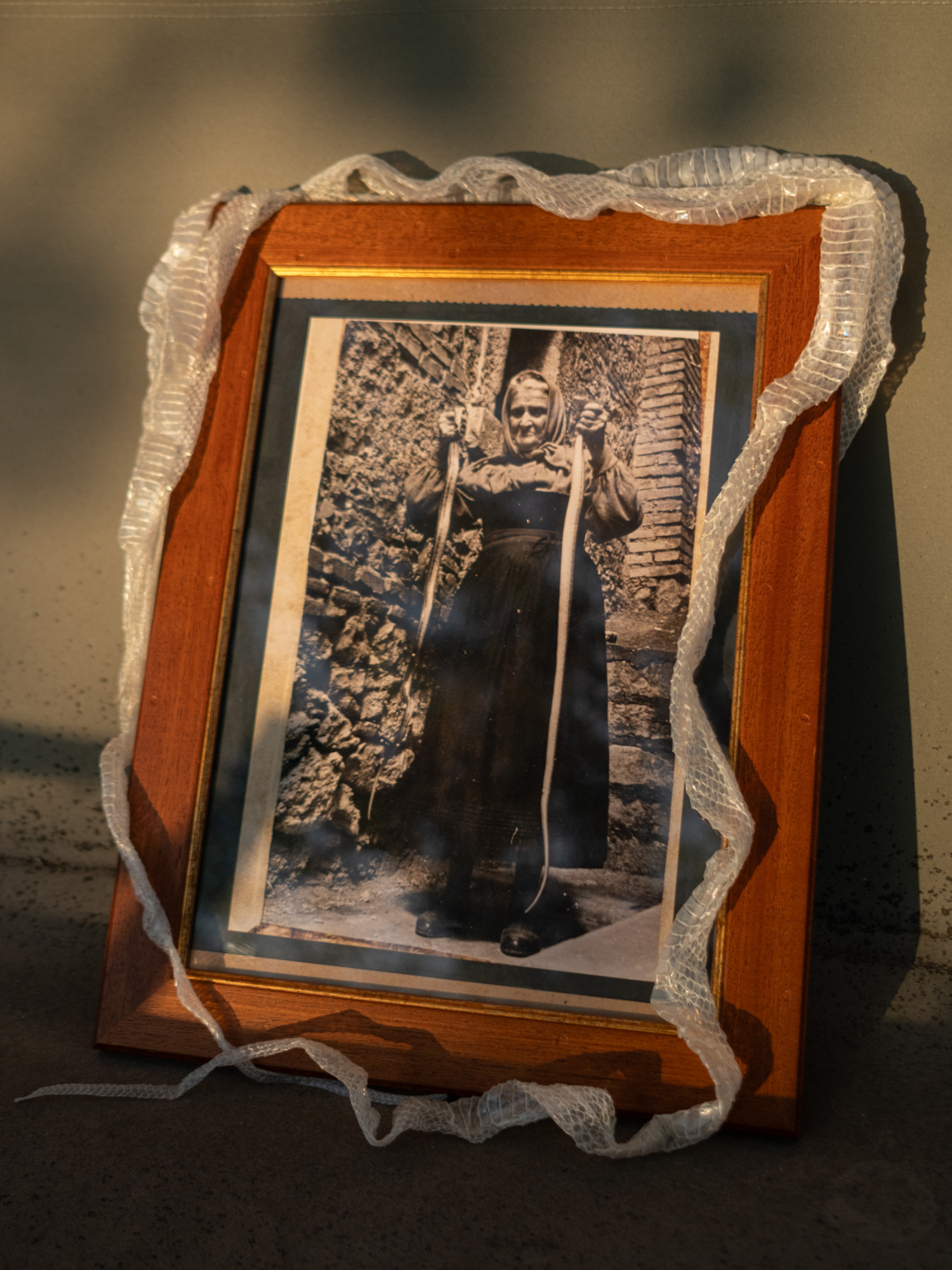
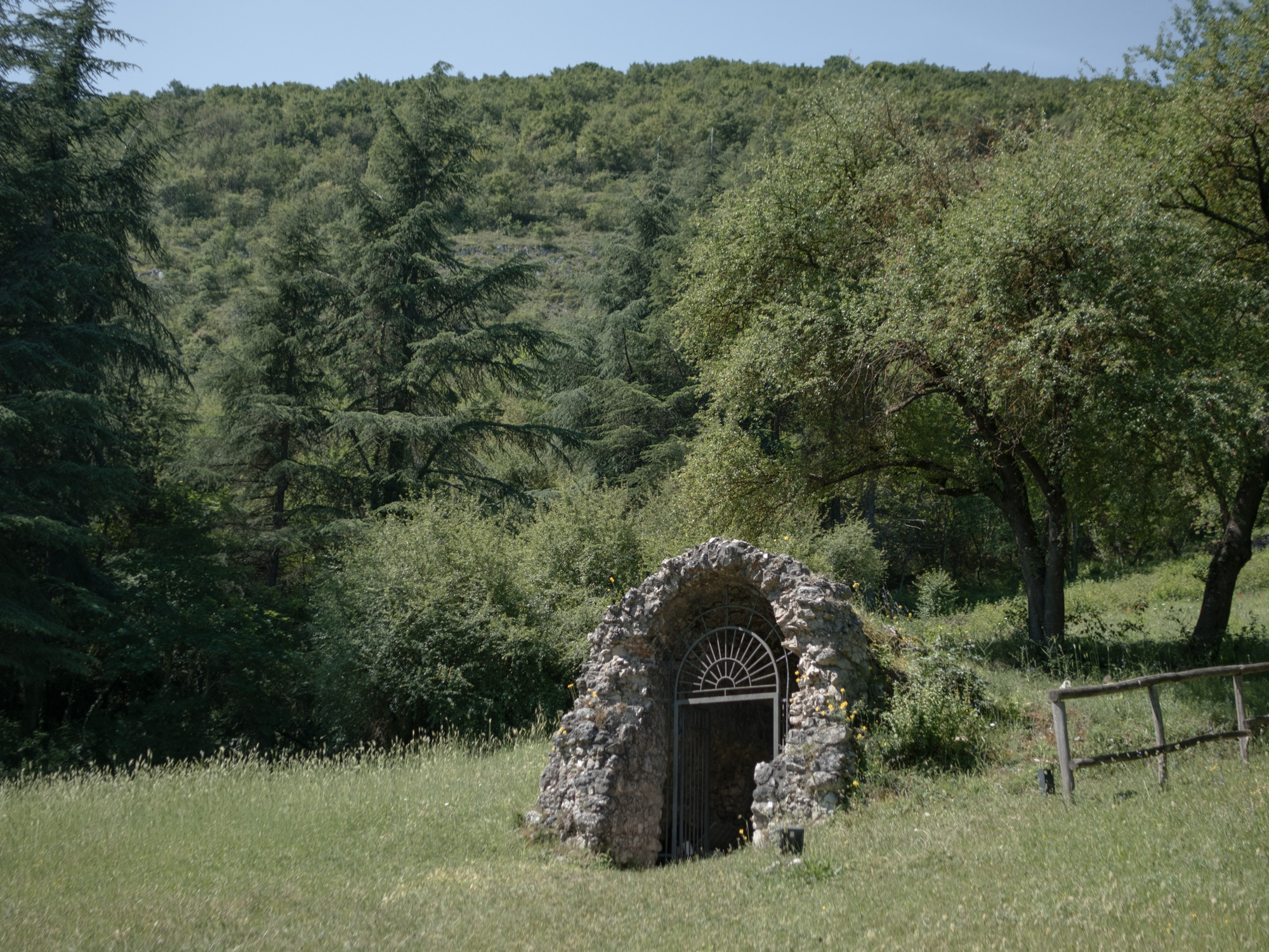
The connection between the Marsi and snakes extended beyond the myth of Pitonium. Angitia, one of their most important goddesses, was believed to possess knowledge of medicinal herbs, poisons, and the treatment of snakebites. Her sanctuary stood in a clearing within the Lucus Angitiae, a sacred forest near the southern shore of the lake.
1912–1914
14 December 1914
Giovanni was called up for military service.
13 January 1915
Shortly after his departure, an earthquake destroyed Avezzano. Giovanni lost his entire family and was sent back to the devastated town to assist in the rescue operations.

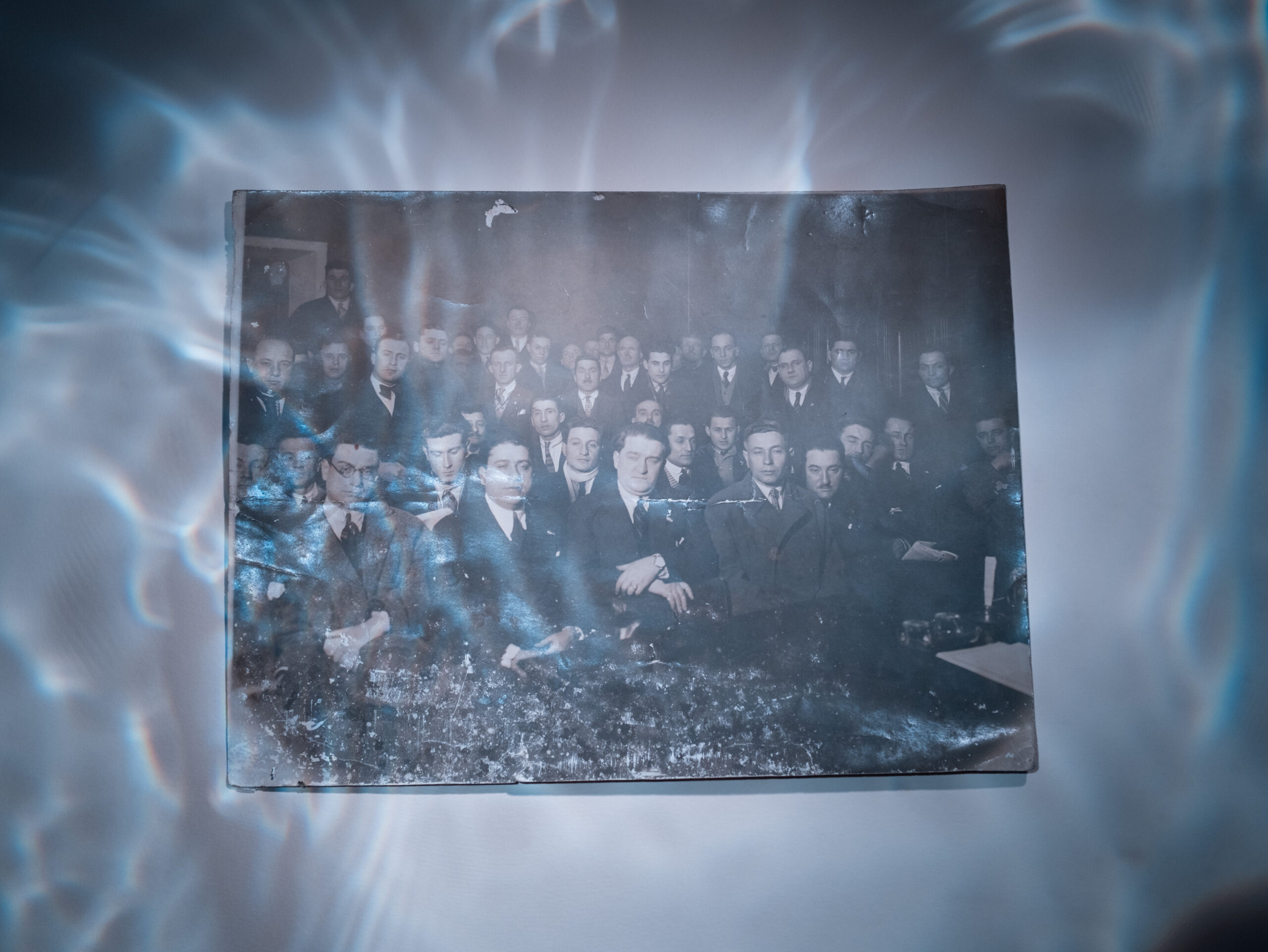
30 March 1915
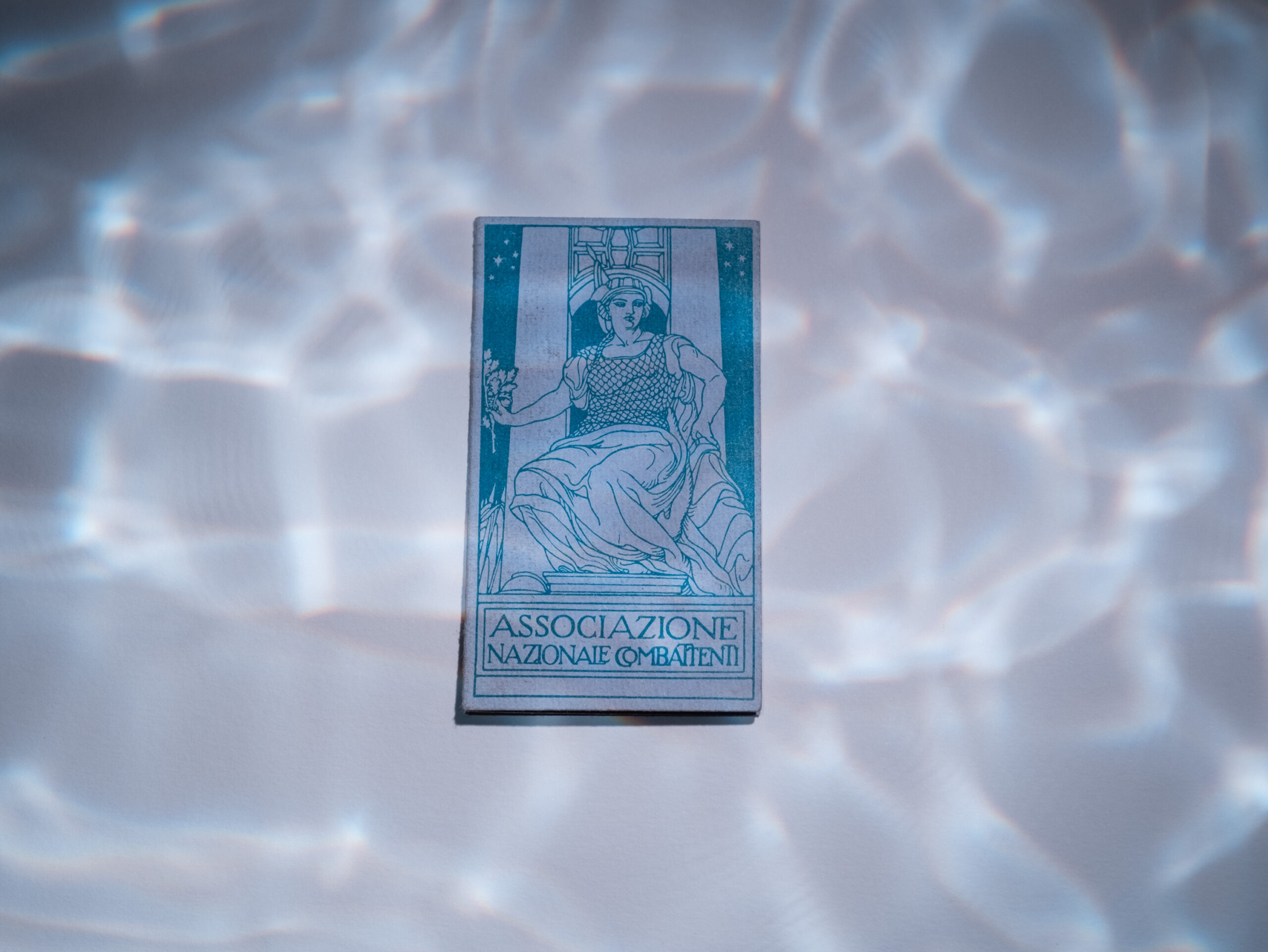
Following Italy’s entry into the First World War, Giovanni was sent to the front, where he served as a military truck driver.
1919
At the end of the war, Giovanni returned to work at the Torlonia sugar refinery as a driver and mechanic.
That same year, he founded Forza e Coraggio, officially Avezzano’s first football team, and served as its president until 1923.
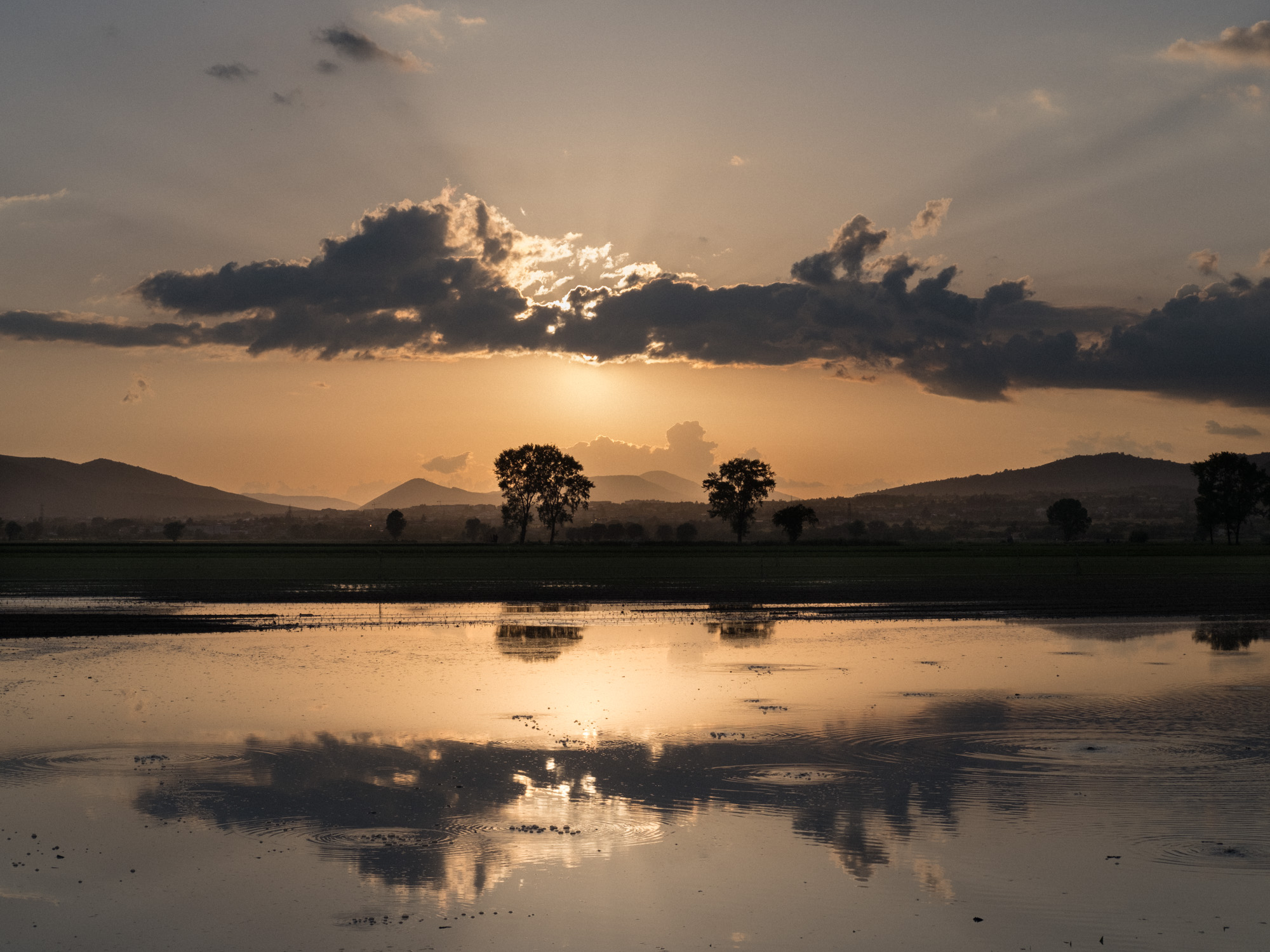
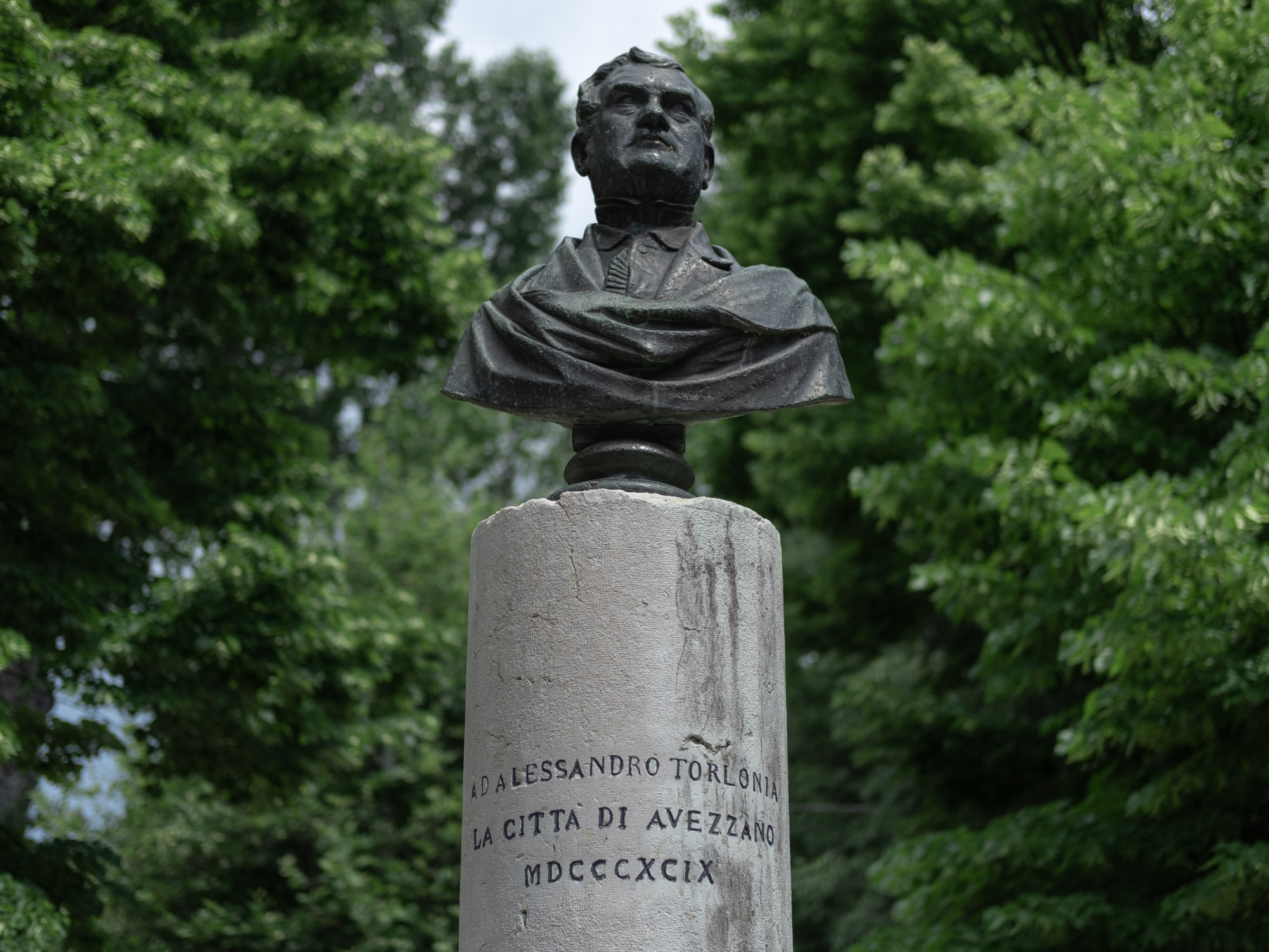
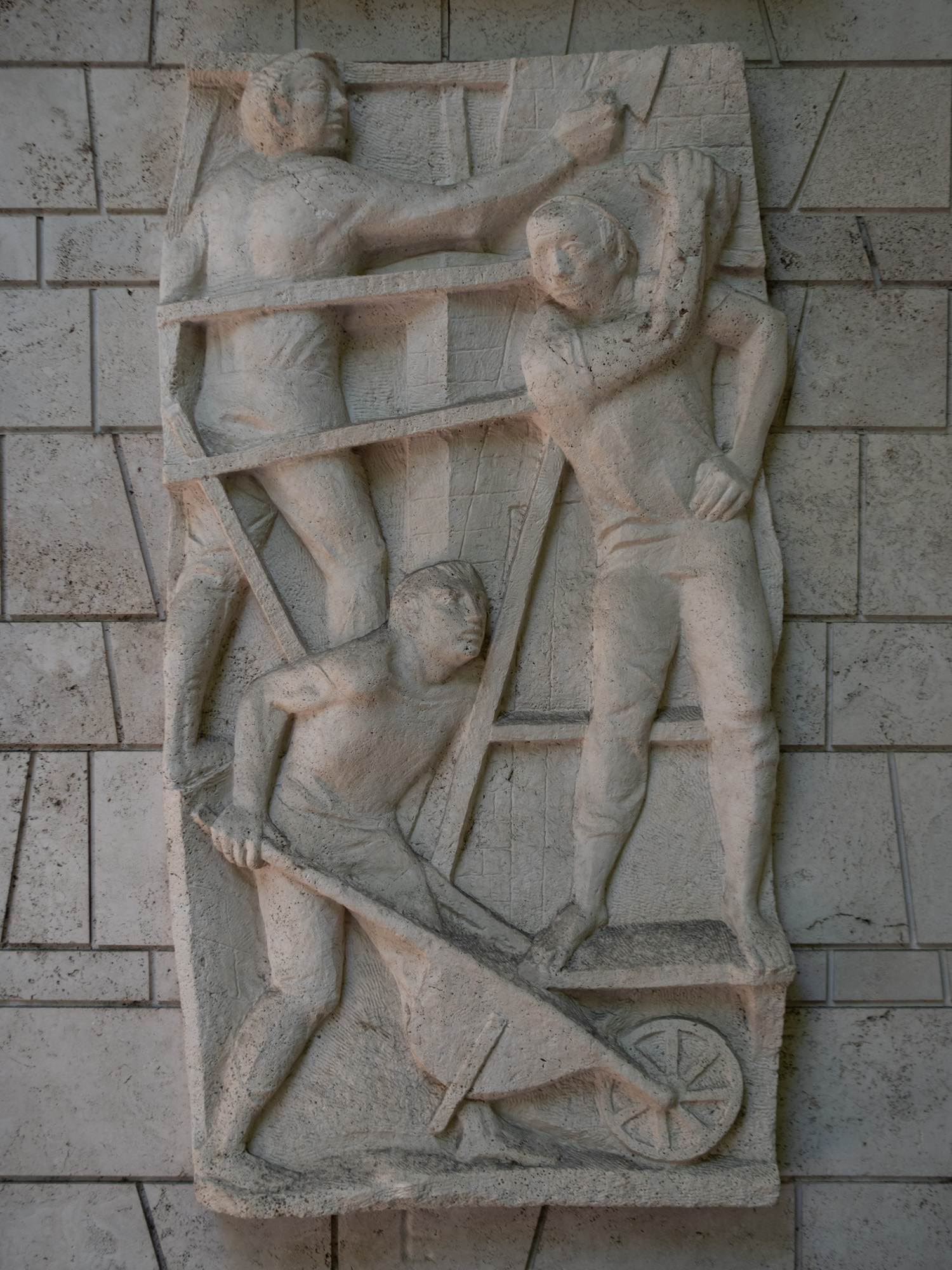
“Either Torlonia drains the Fucino, or the Fucino drains Torlonia.”
Popular saying of the time
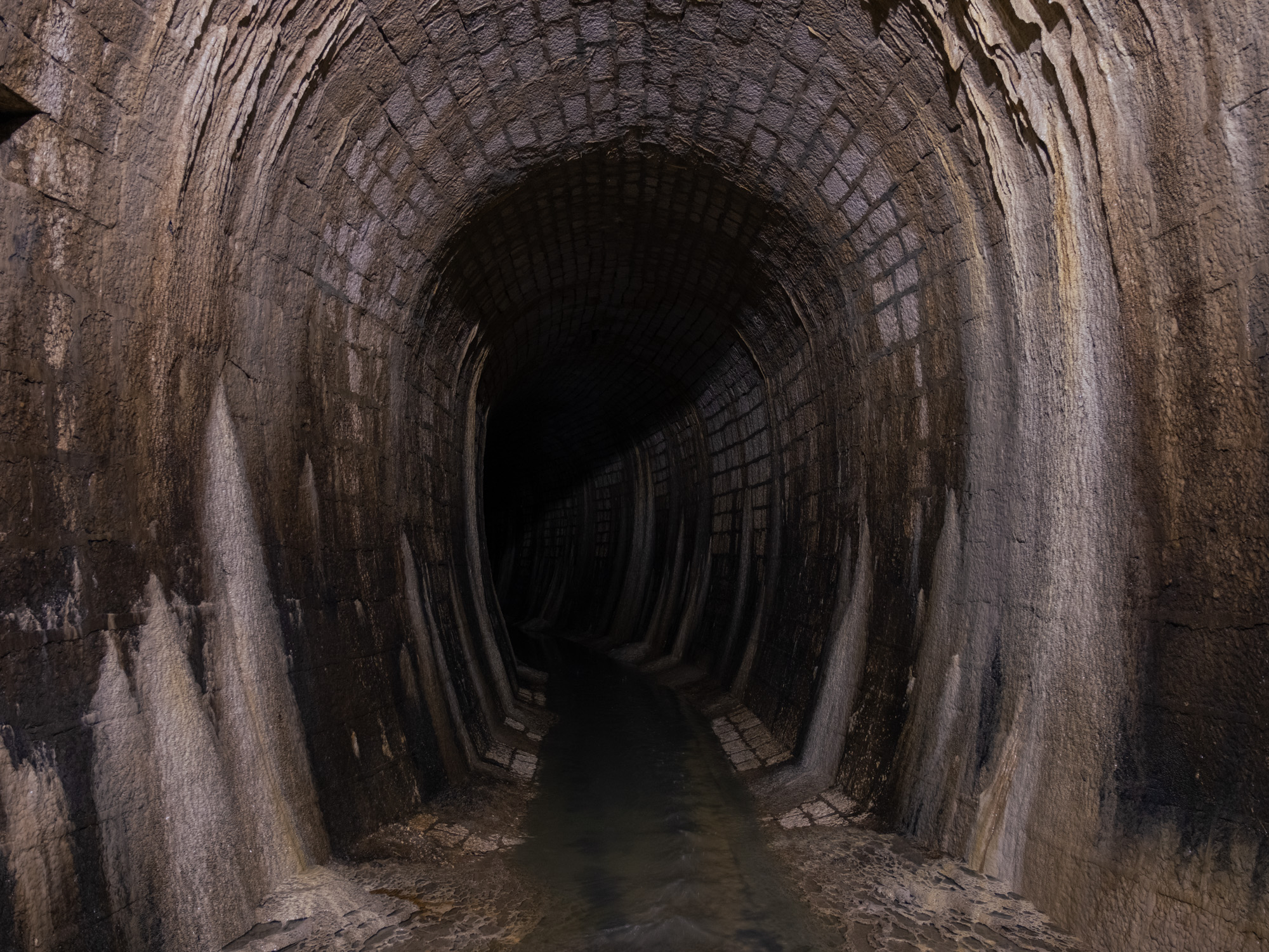
Over more than two decades, Torlonia brought together leading engineers from across Europe and thousands of workers. Using Claudius’s ancient emissary as a foundation, they widened and rebuilt the tunnel beneath Mount Salviano.
The project was presented at the Vienna Universal Exhibition in 1873 and was later celebrated as one of the greatest hydraulic works of the nineteenth century, second only to the opening of the Suez Canal.
The project was presented at the Vienna Universal Exhibition in 1873 and was later celebrated as one of the greatest hydraulic works of the nineteenth century, second only to the opening of the Suez Canal.
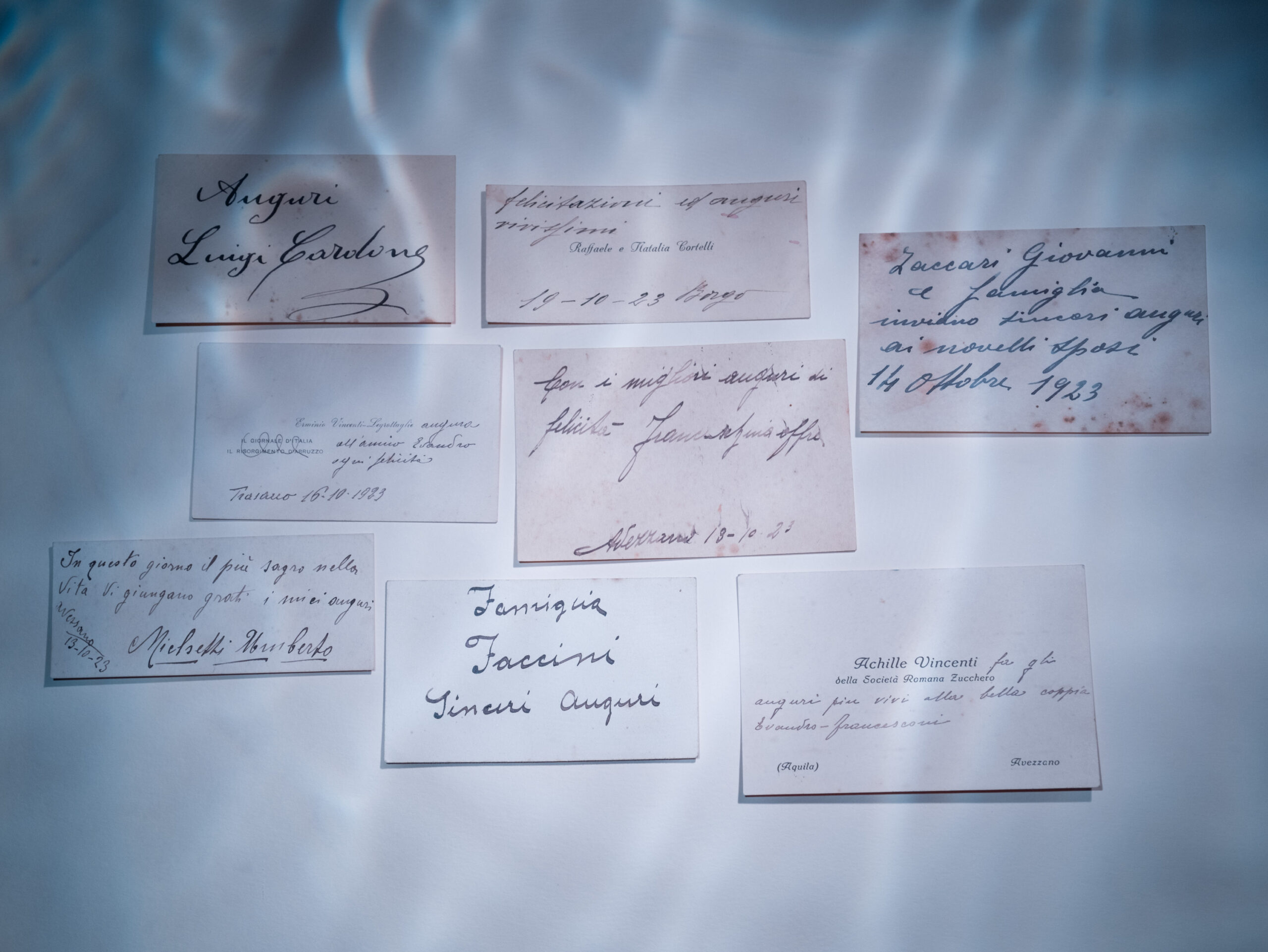
13 October 1923
Giovanni married Angela Raffaella Francesconi.
They had three children, Rosanna, Margalicia, and Gennaro my grandfather.
In Marsica, Alessandro Torlonia was commonly referred to simply as “the Prince.”
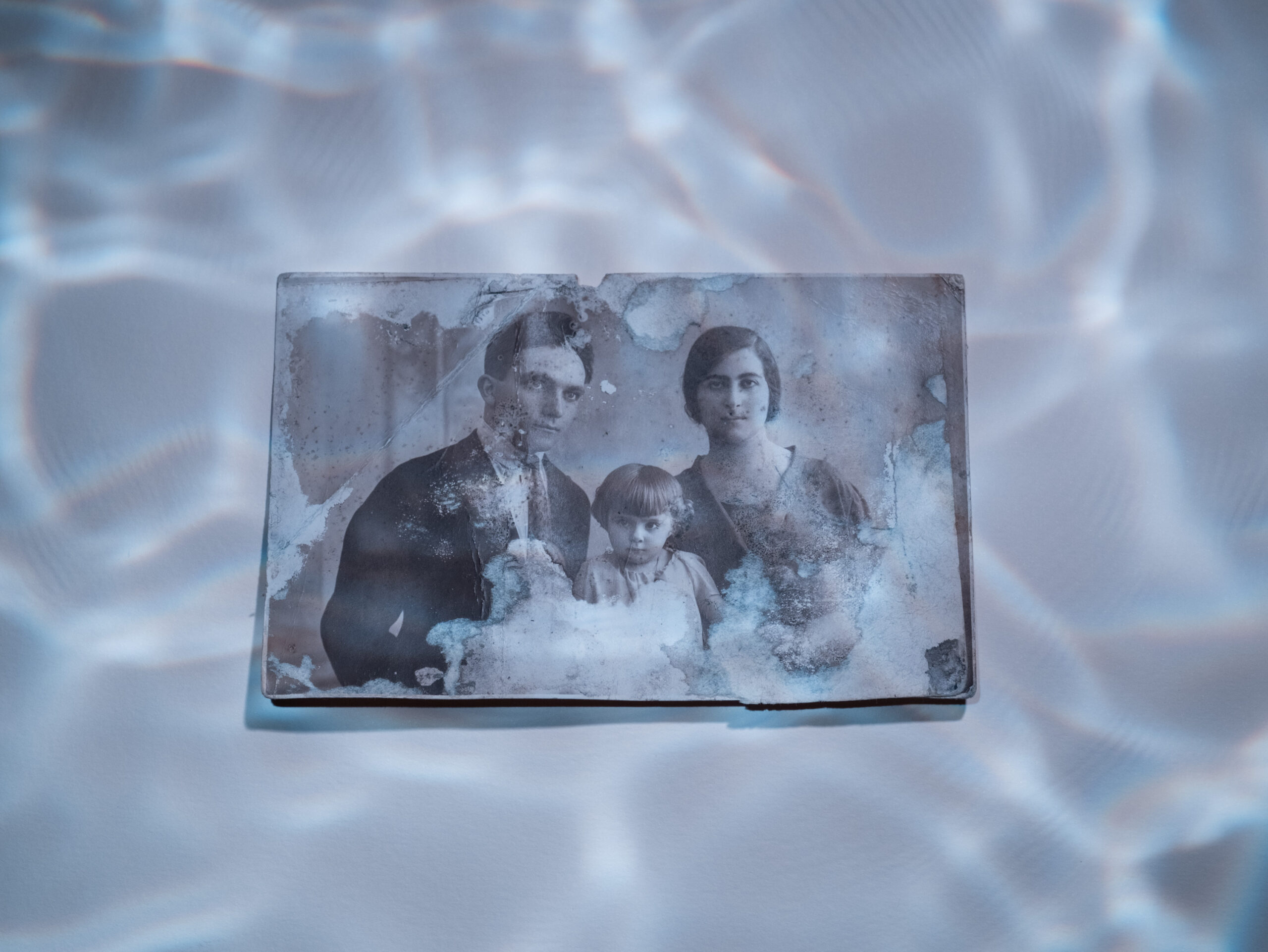
12 December 1931
Although it was his day off, Giovanni was called to the refinery to deal with an urgent problem involving a machine. According to family accounts, an accident occurred and his leg was trapped beneath it. One person was placed under investigation, but the family never learned the outcome. Giovanni died the following day.
He was 36 years old.
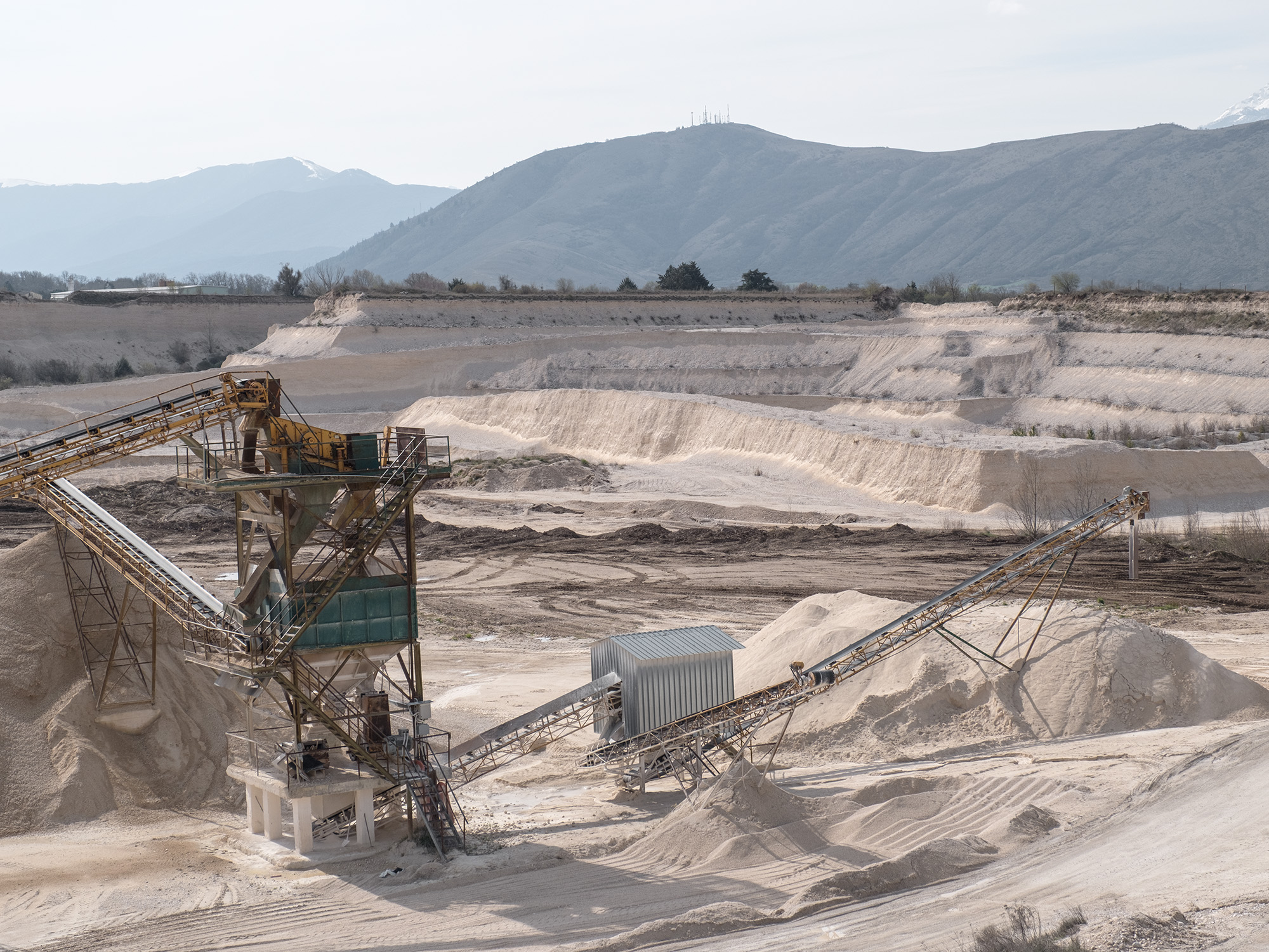
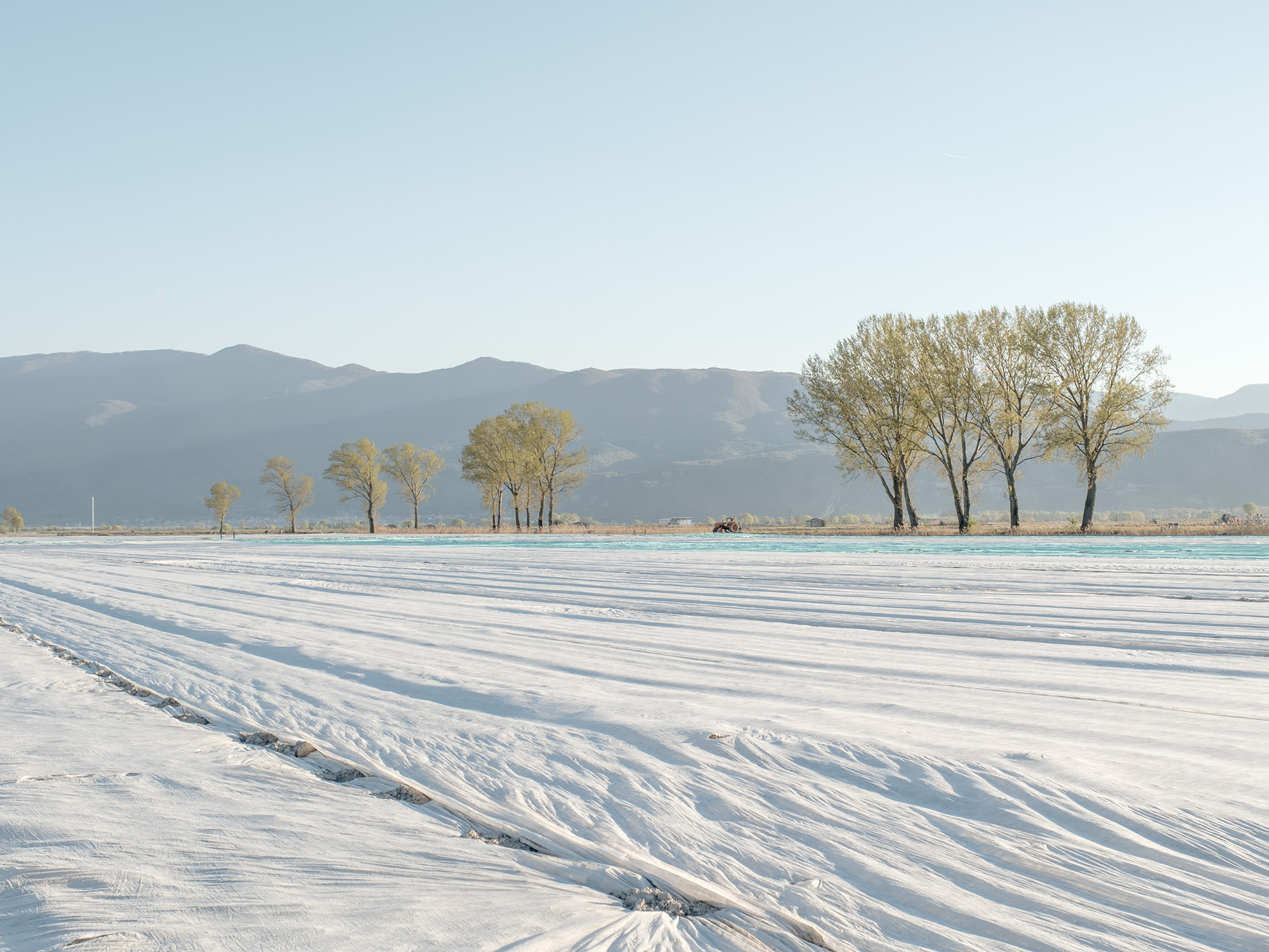
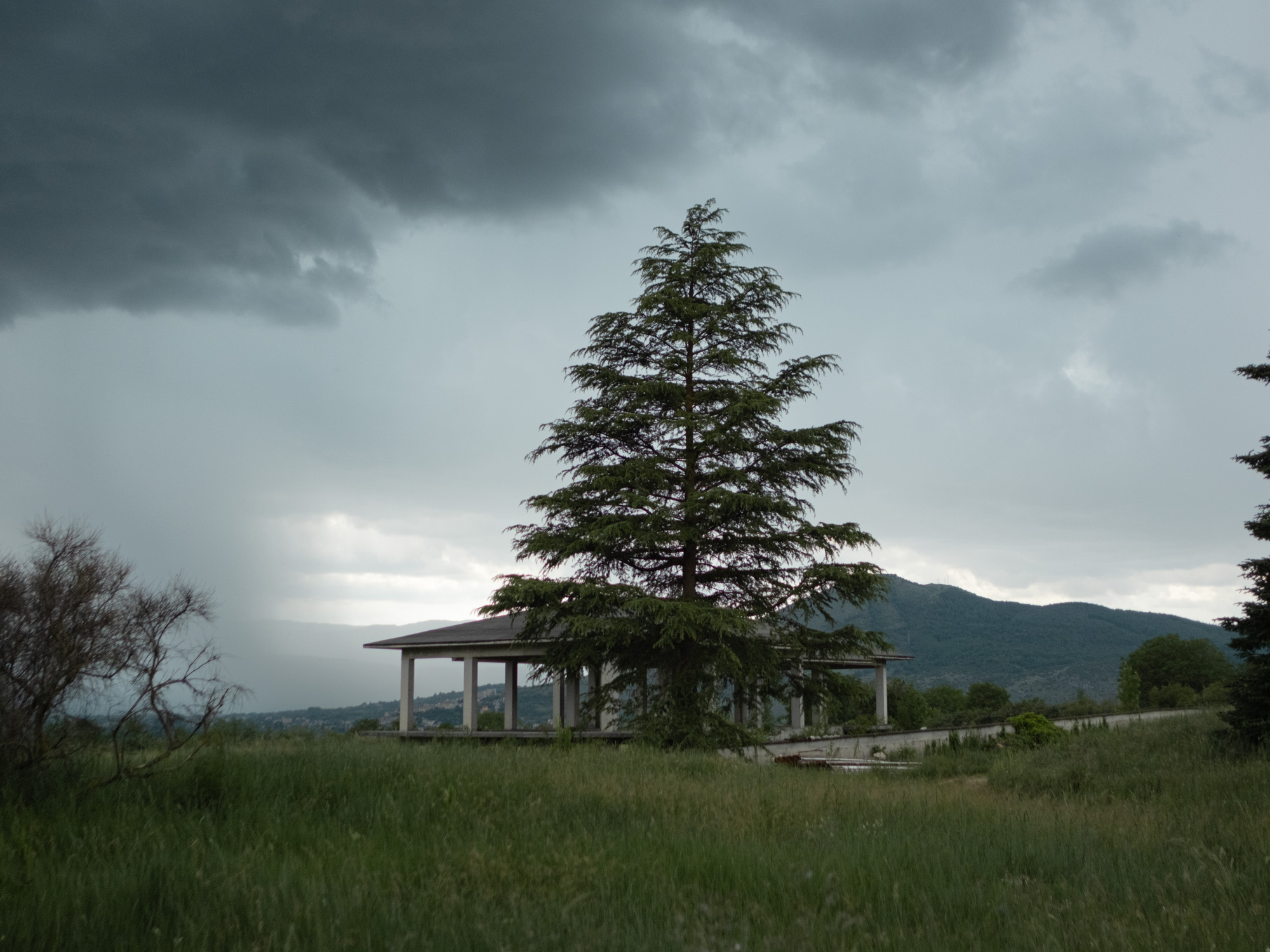
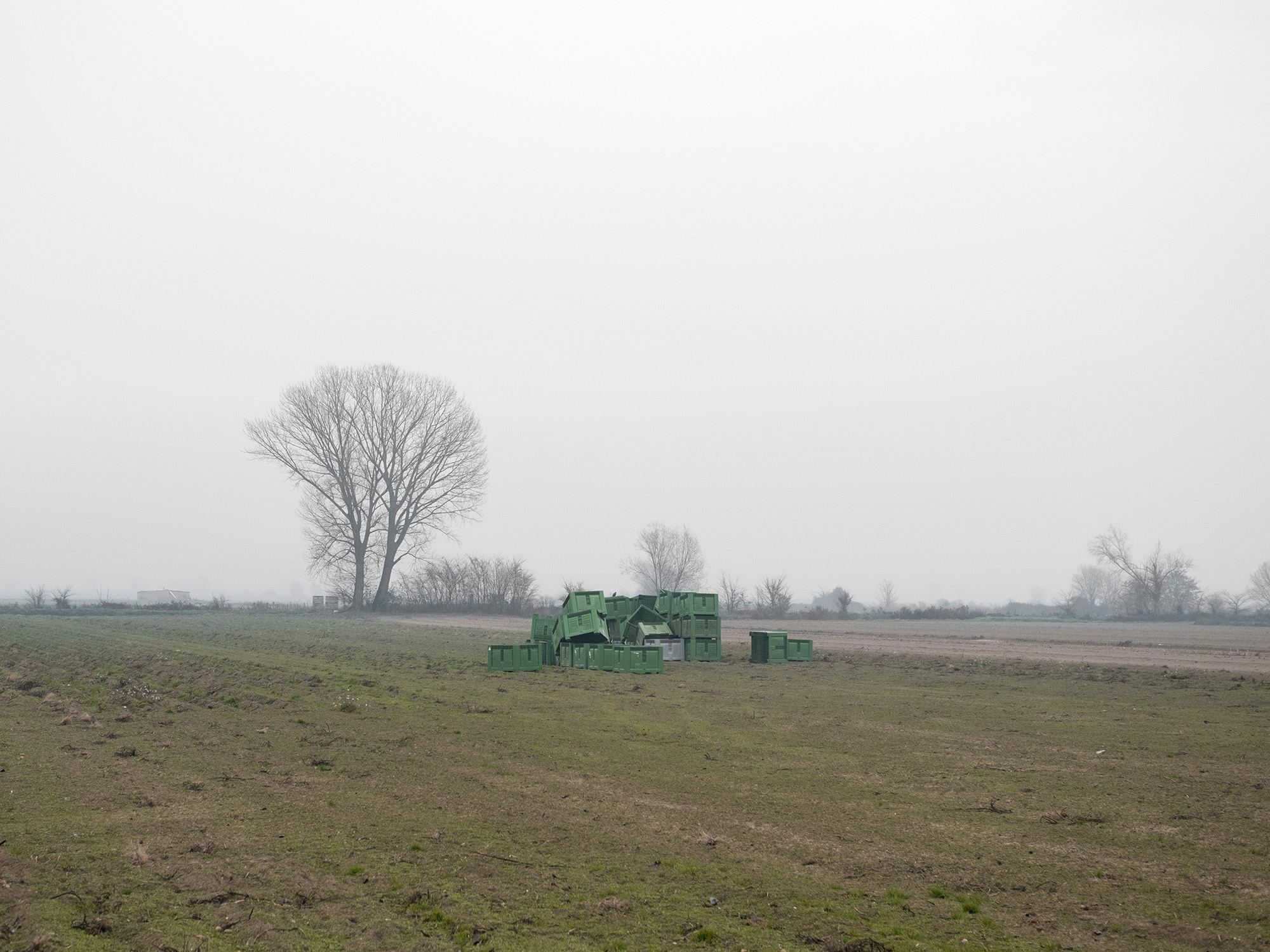
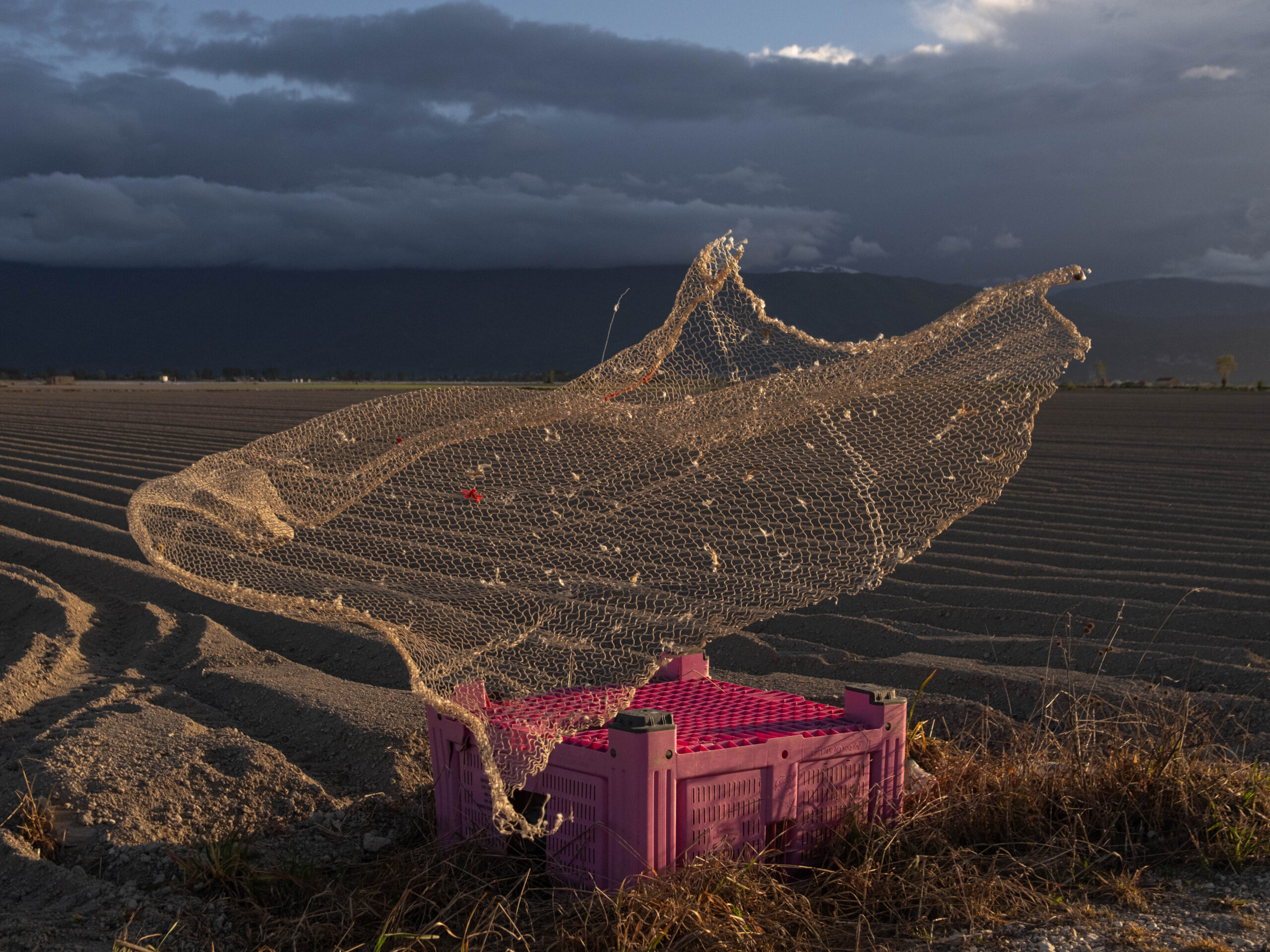
The increasingly warmer and drier climate is placing growing pressure on a highly specialised agricultural system that requires up to 22 million cubic metres of water each year.