

The Shadow of Europe
This is a project about the lives of the old people who live in the villages of the northern Republic of Moldova.
Moldova sits in Eastern Europe, east of Romania, south of Ukraine. It declared independence from the Soviet Union in 1991, keeping the borders of the former Soviet Socialist Republic. A strip of internationally recognised Moldovan territory on the east bank of the Dniester, Transnistria, has been under the control of a separatist government since 1992. Many specialists consider Moldova the poorest country in Europe.
The country's population reaches 4.4 million and is falling at roughly 0.12 % per year. Most of those who can leave do leave: Moldova loses thousands of people each year to forced emigration in search of a better future. The few relatives left to those in these villages are mostly in Italy, Spain, Russia.
The situation in the villages is critical. There is no running water, no plumbing, water is drawn from a well. In winter the temperature falls to twenty below; houses are still heated with wood. Many of those who remain live alone, on a pension under sixty euros a month. The only person they see during the week is the social worker from a local NGO, who comes to help them with daily tasks once or twice.
This project shows the faces of people who are inside our continent, the richest one, and who seem to live a century ago.
Inside Europe. Lived a century ago.
Source · Field notes · Jaime de Lorenzo · February 2018
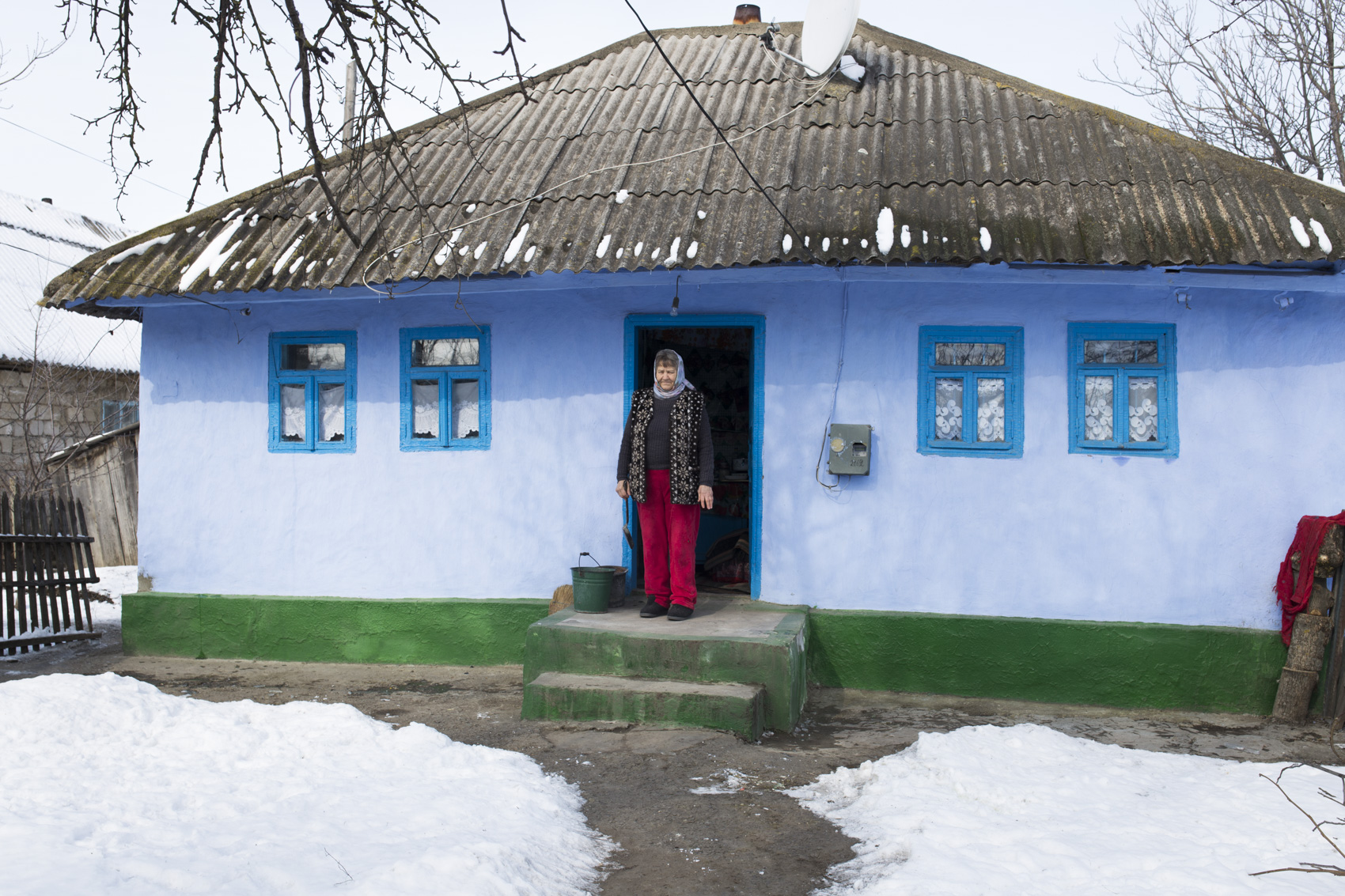
Maria
Șoldănești · Northern Moldova
Șoldănești · February 2018
The villages of northern Moldova are not on the routes that move freight or visitors across Eastern Europe. They are off-axis: a short bus ride from district capitals that themselves rarely appear on continental maps. Many of the houses here have stood for generations. Many of the people who live in them have stood here that long too.
Water comes from the well. Heat comes from the wood pile. The pension comes, when it comes, in lei, converted by the calendar into something under sixty euros a month. Children, if there are children, are mostly in Italy, Spain, or Russia. The phone, when it rings, rings from those places.
The people in these portraits were born into the Moldavian SSR, learned to write in Cyrillic, and watched the script change to Latin in 1989, Limba Noastră, when they were already in middle age. The country around them changed names twice in a generation. They did not. One still wears the medal the first state gave him.
Aleksei
Viișoara · Northern Moldova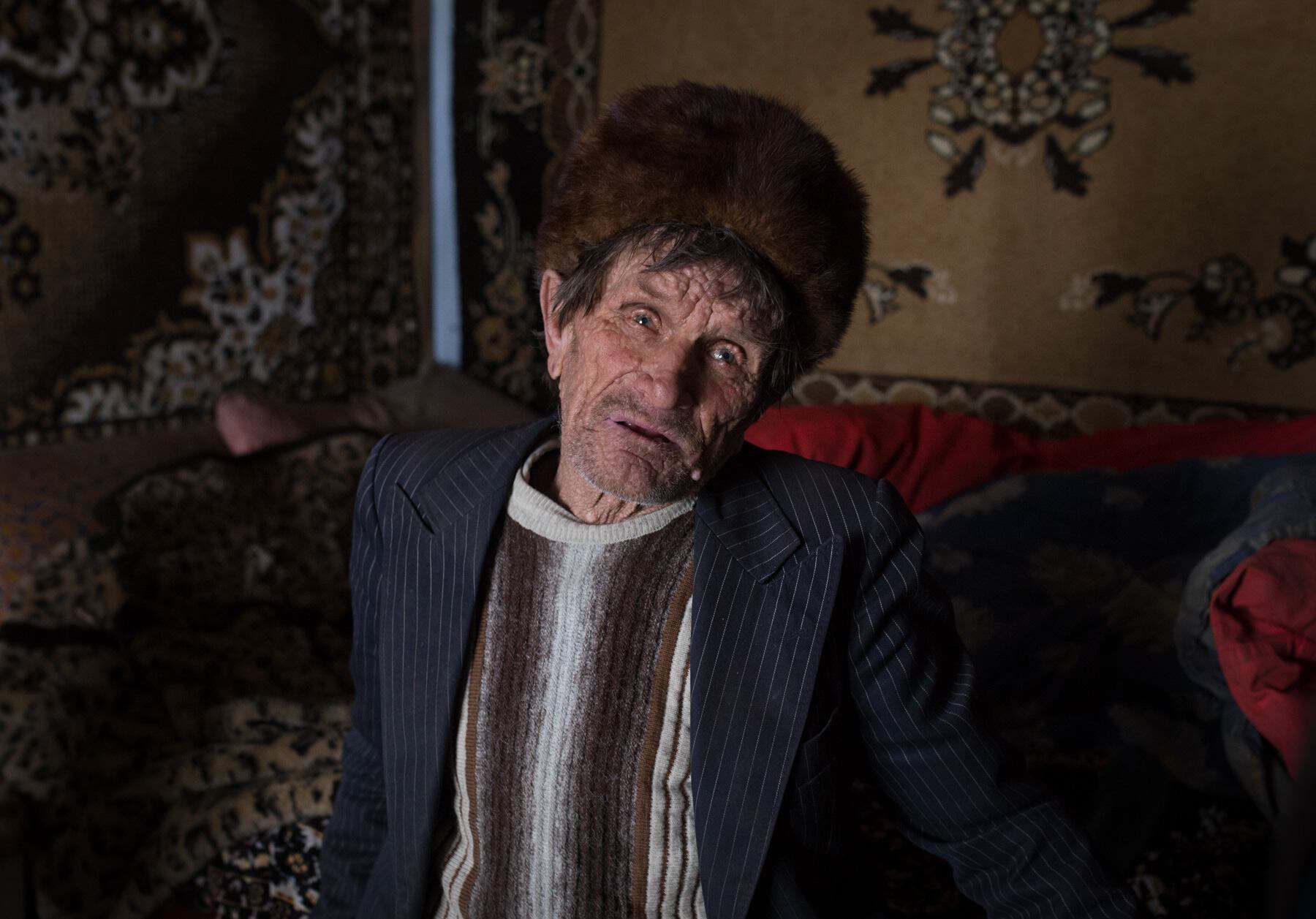
Viișoara · February 2018
His wife left him seven years ago. He has a son in the same village. He no longer sees well.
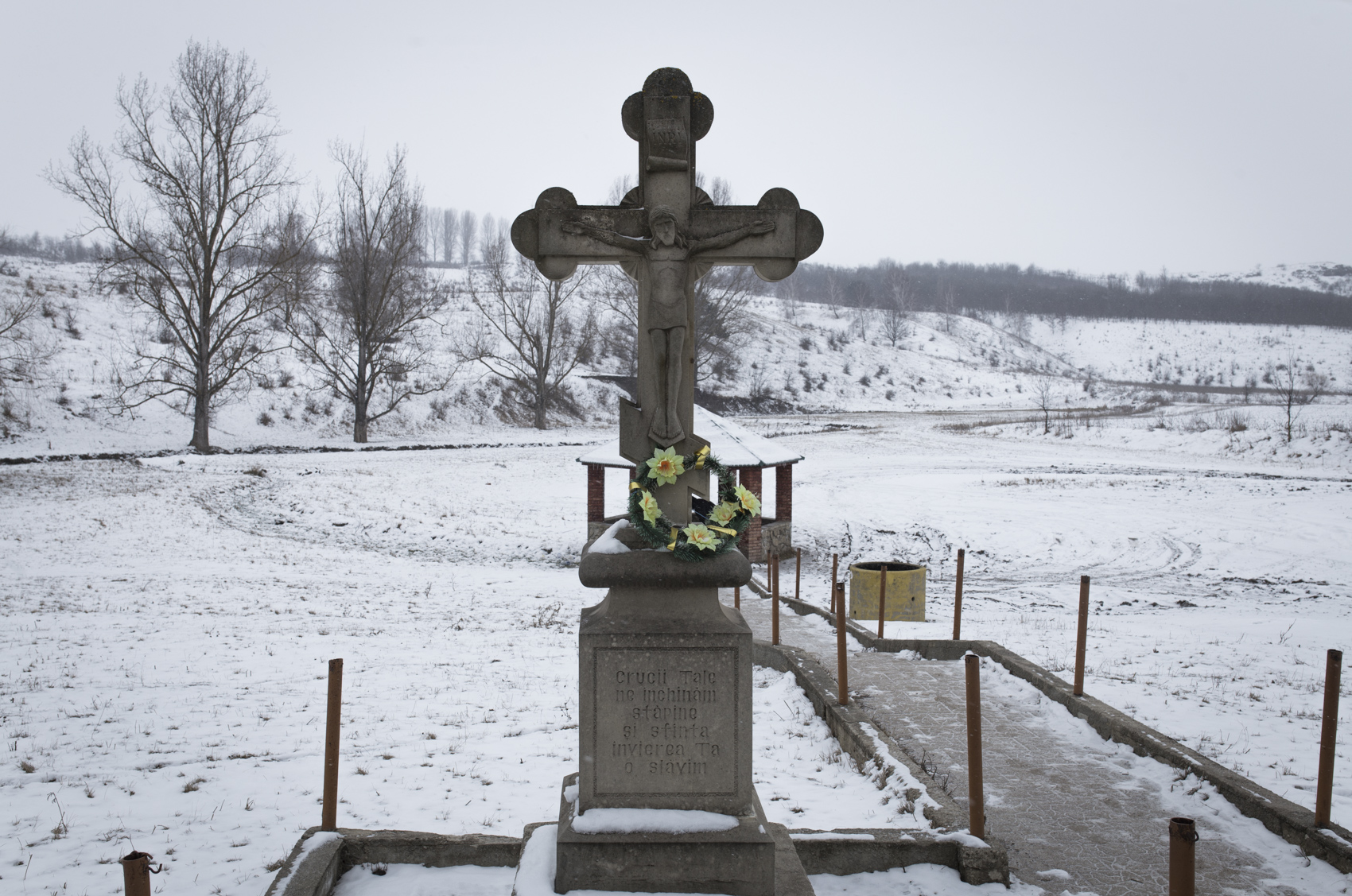
Alexandru
Corpaci · Northern Moldova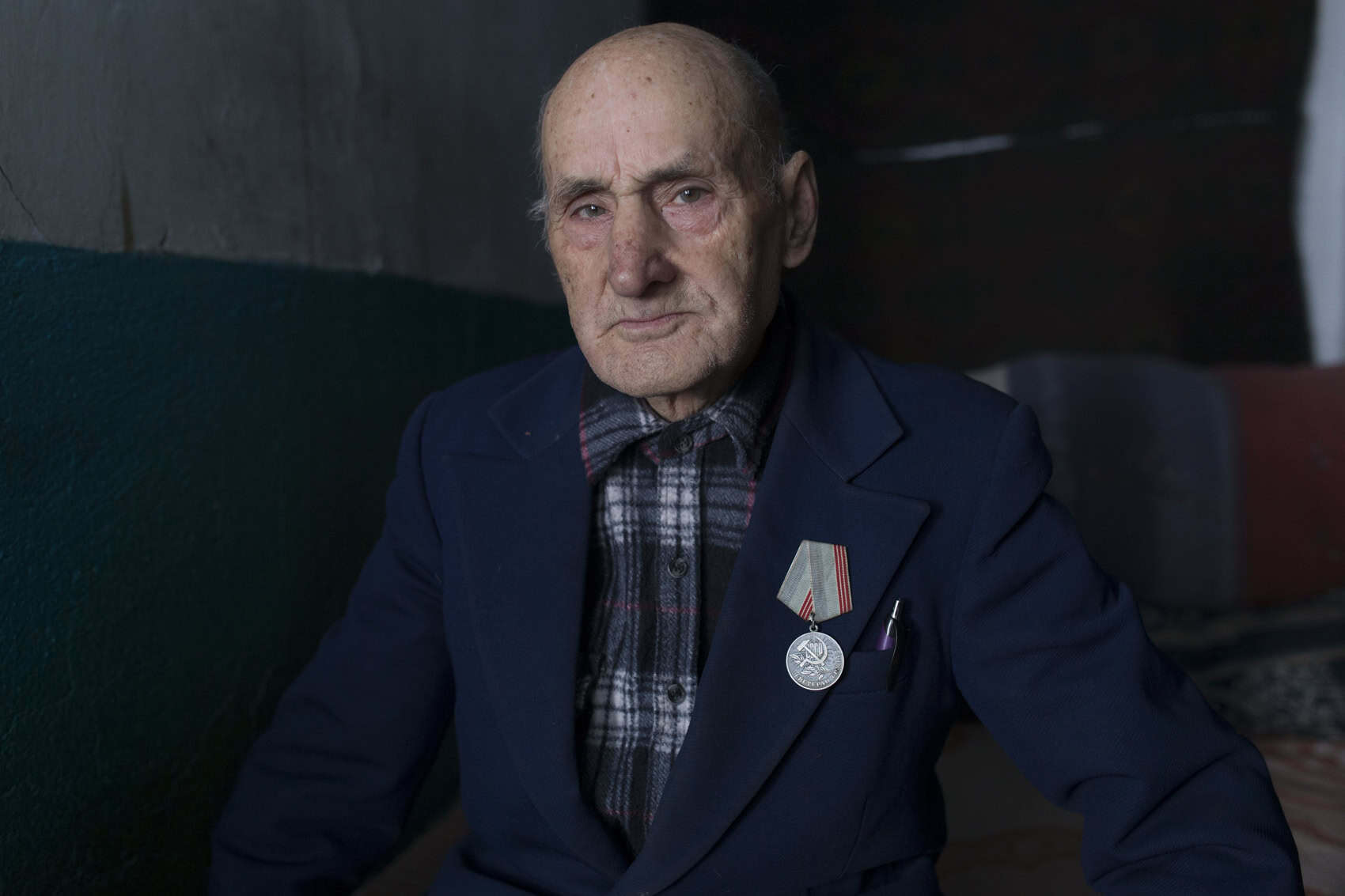
Corpaci · February 2018
He worked the land all his life. The Soviet Union gave him a medal as a role model of hard work, which he still wears. He looked after his bedridden wife for six years, until she died. He is alone now.
A continent's richest address book, and an interior that did not get the letter.Editorial note · MÓN · 2018
Olga & Alexandru
Făleștii · Northern Moldova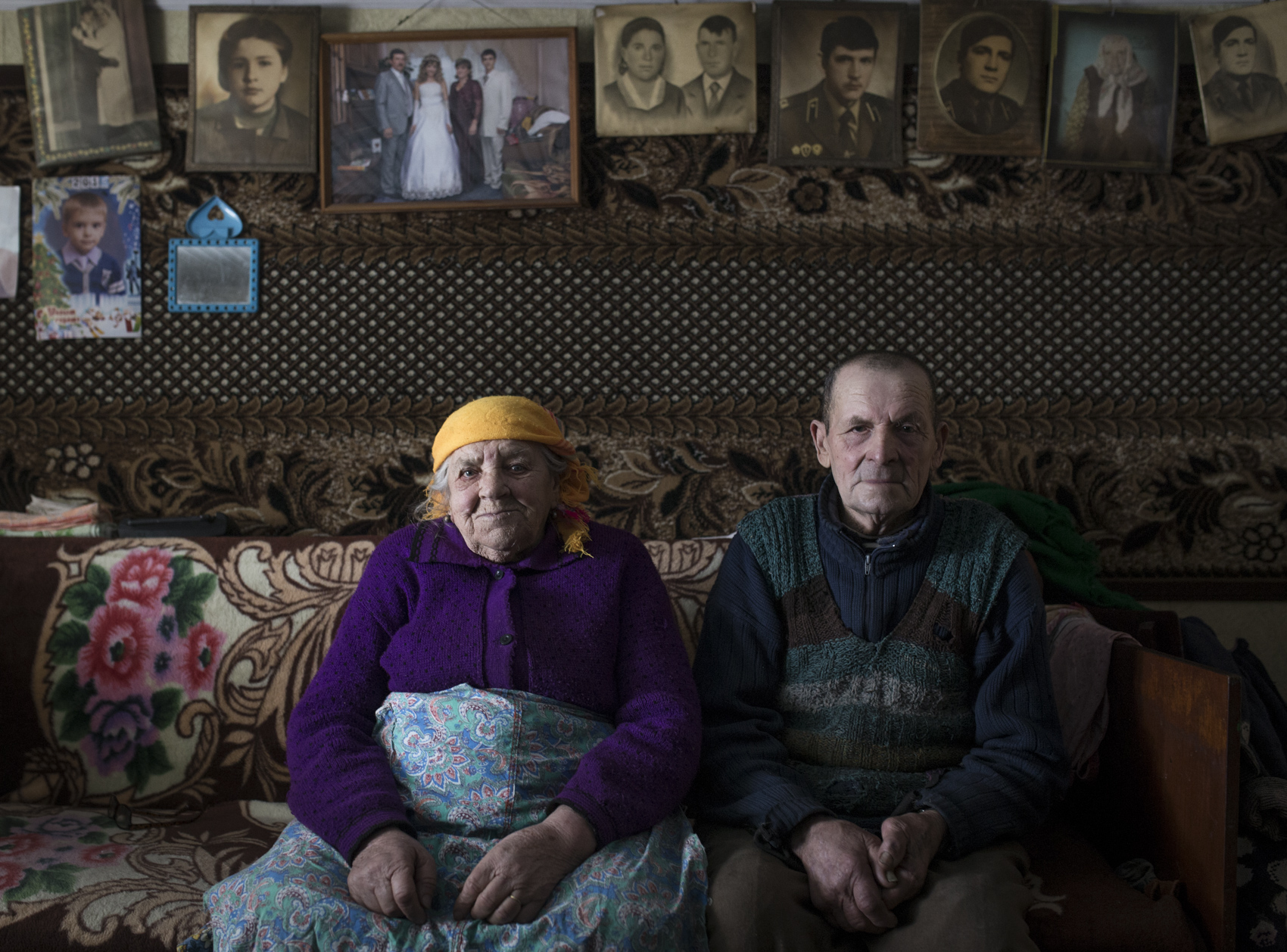
Făleștii · February 2018
Zamfira
Făleștii Noi · Northern Moldova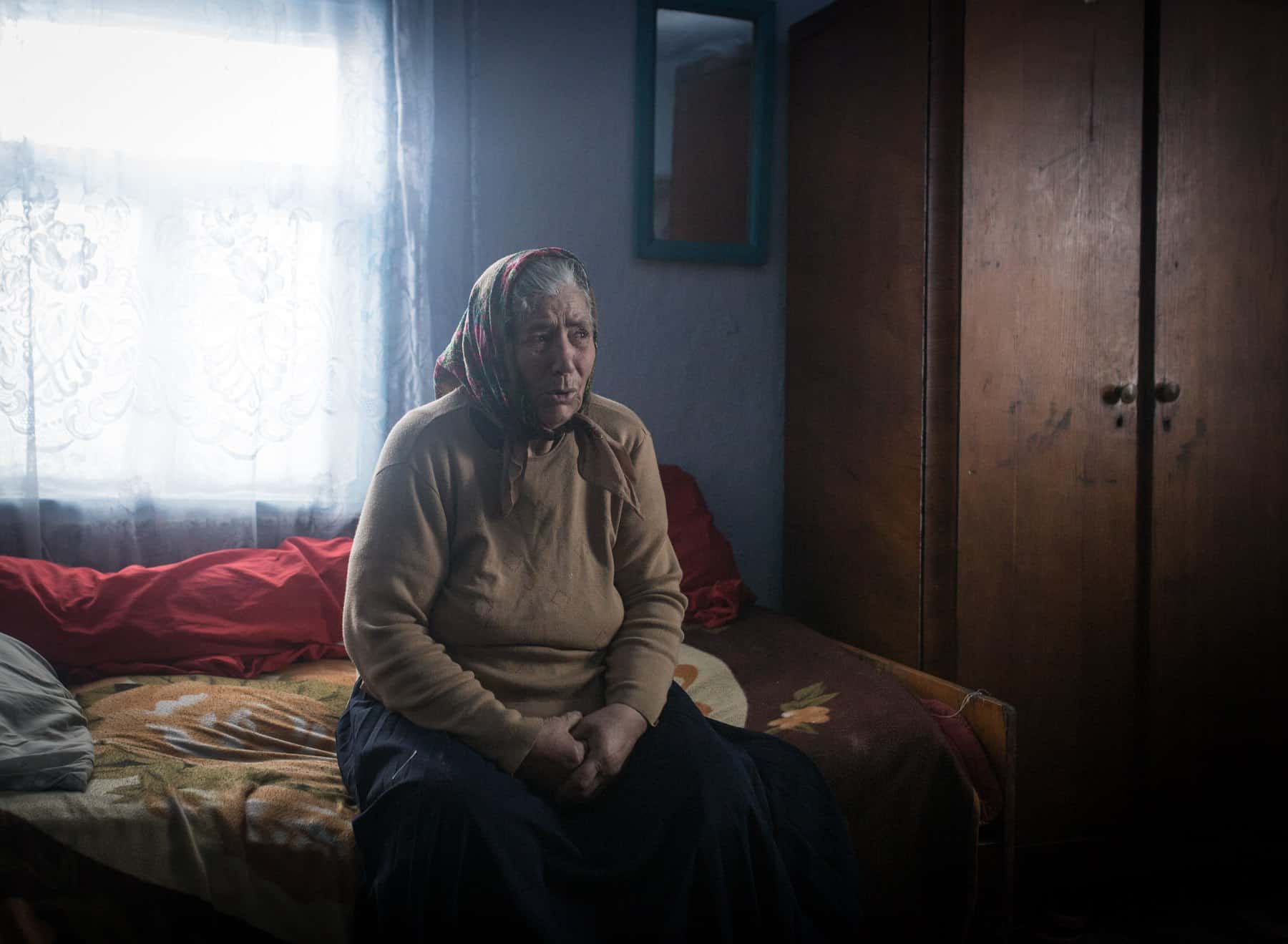
Făleștii Noi · February 2018
She suffered a brain stroke. Of her four children, two died of cancer and one in the Donbas War. The fourth is alive, in Moscow.
Valentina
At her house · Northern Moldova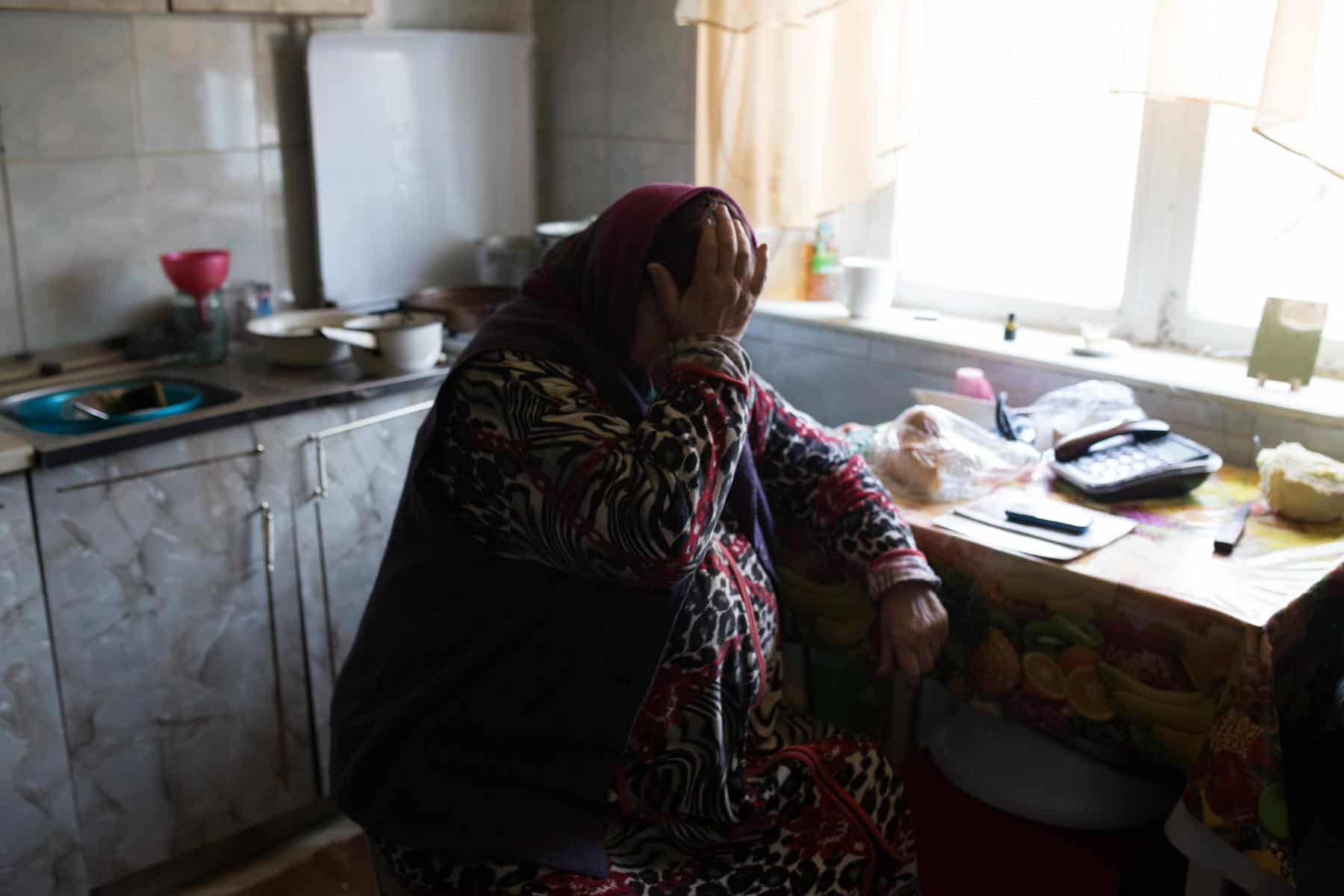
Northern Moldova · February 2018
A country that has lost a third of itself.
When Jaime de Lorenzo photographed these portraits in February 2018, Moldova counted 2.73 million residents. By 2026, fewer than 2.37 million remain. The villages of the dossier have been thinning since the day the shutter closed.
Those who stayed.
- Maria. Șoldănești
- Aleksei. Viișoara · 71
- Cușmirca, in winter
- Alexandru. Corpaci · 81
- Olga & Alexandru. Făleștii
- Zamfira. Făleștii Noi · 75
- Valentina. at her house
The Shadow of Europe.
A photographic dossier by Jaime de Lorenzo, photographed across the northern villages of the Republic of Moldova in February 2018.
The project records the faces and conditions of those who remain, old people, mostly alone, in a country that the European map continues to keep at its edges.
Six portraits are presented here, selected from a wider body of fieldwork.