



Camargue
Delta
L'arène
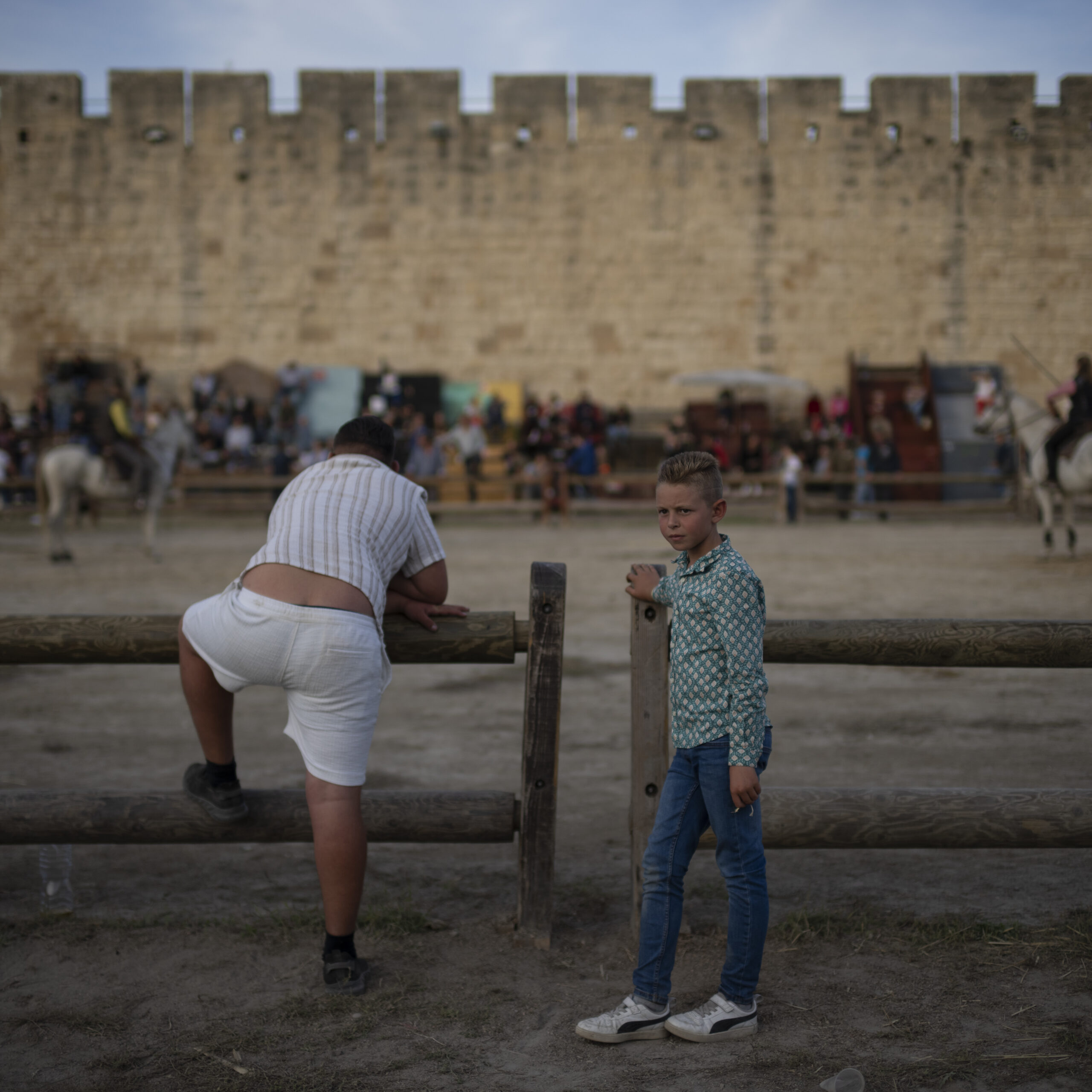
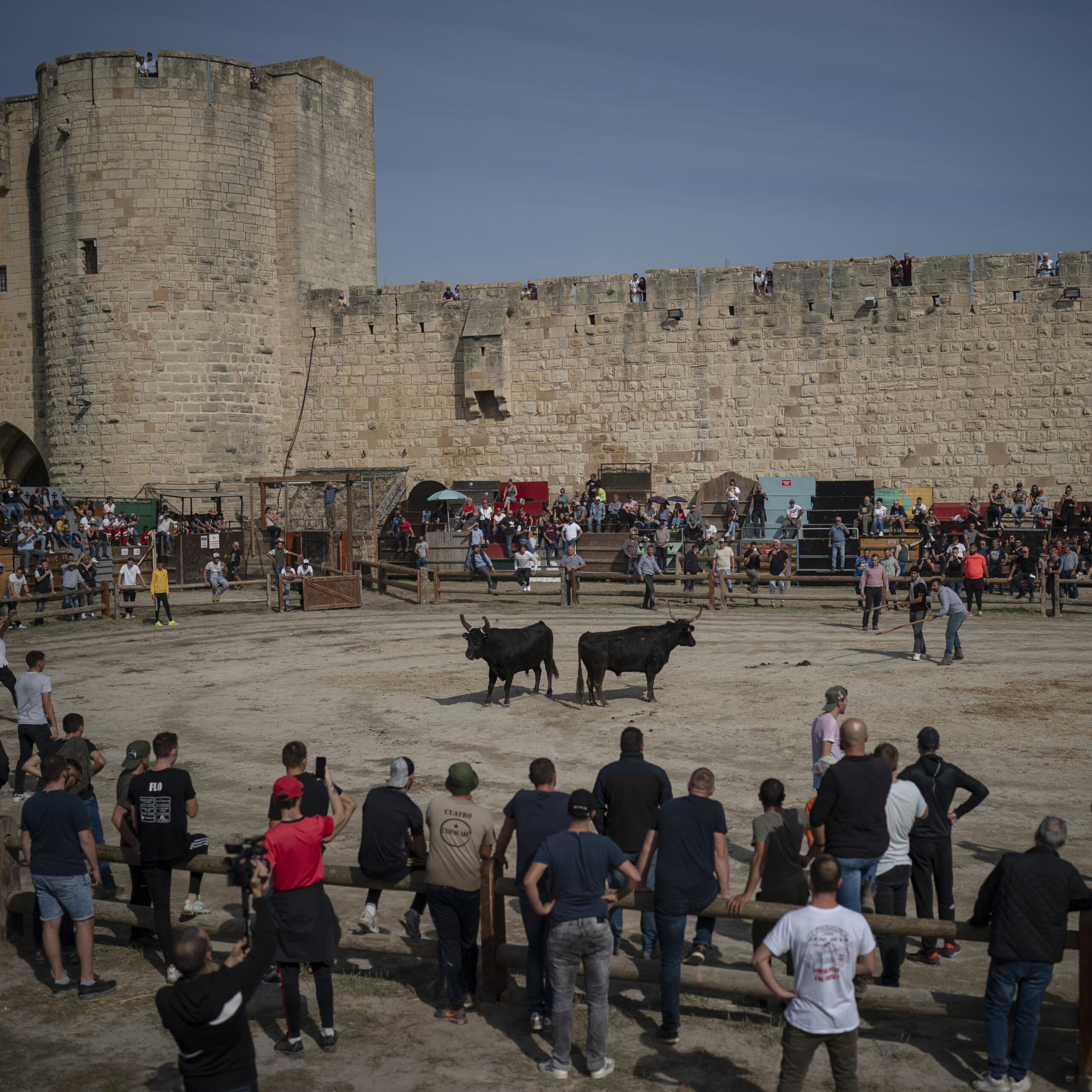
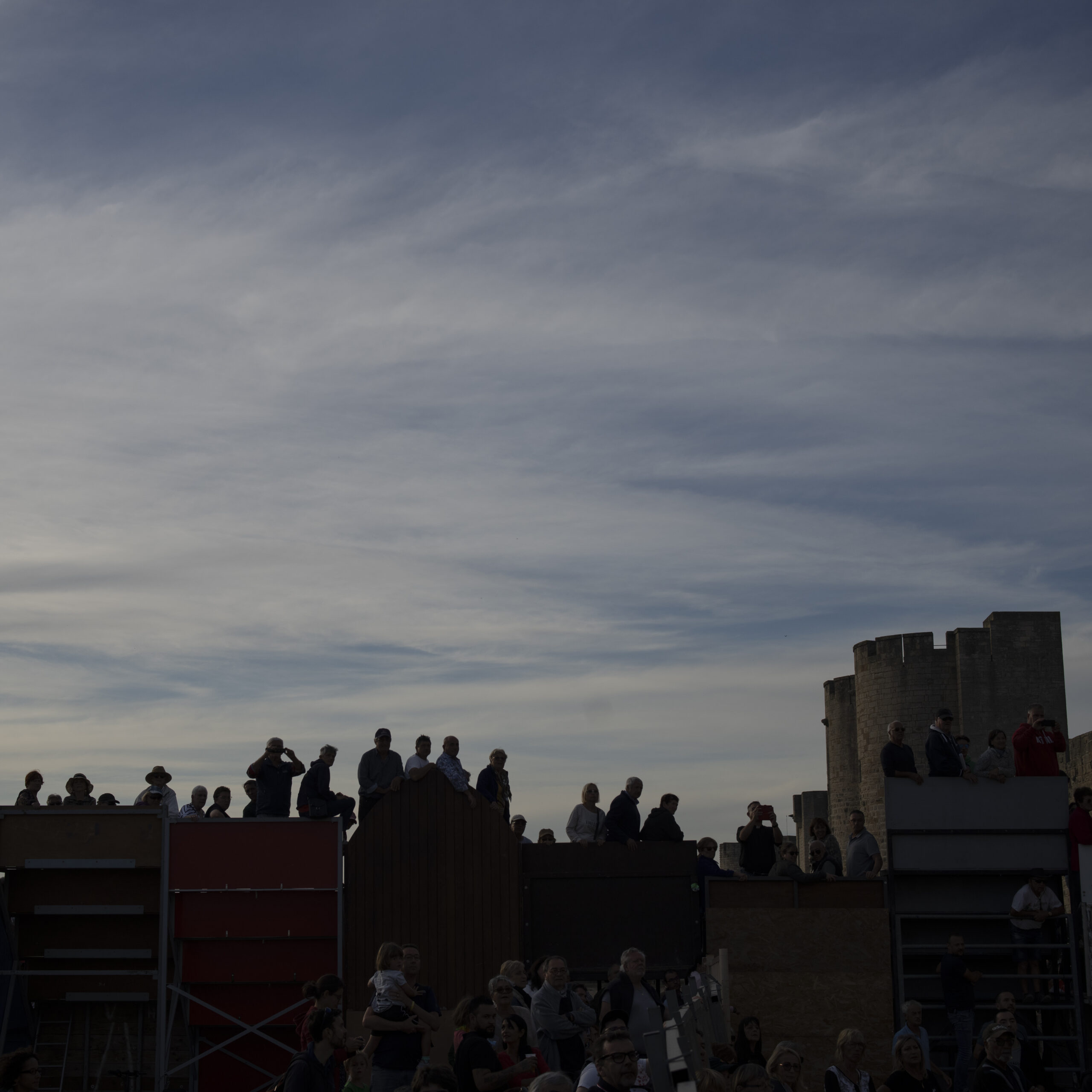
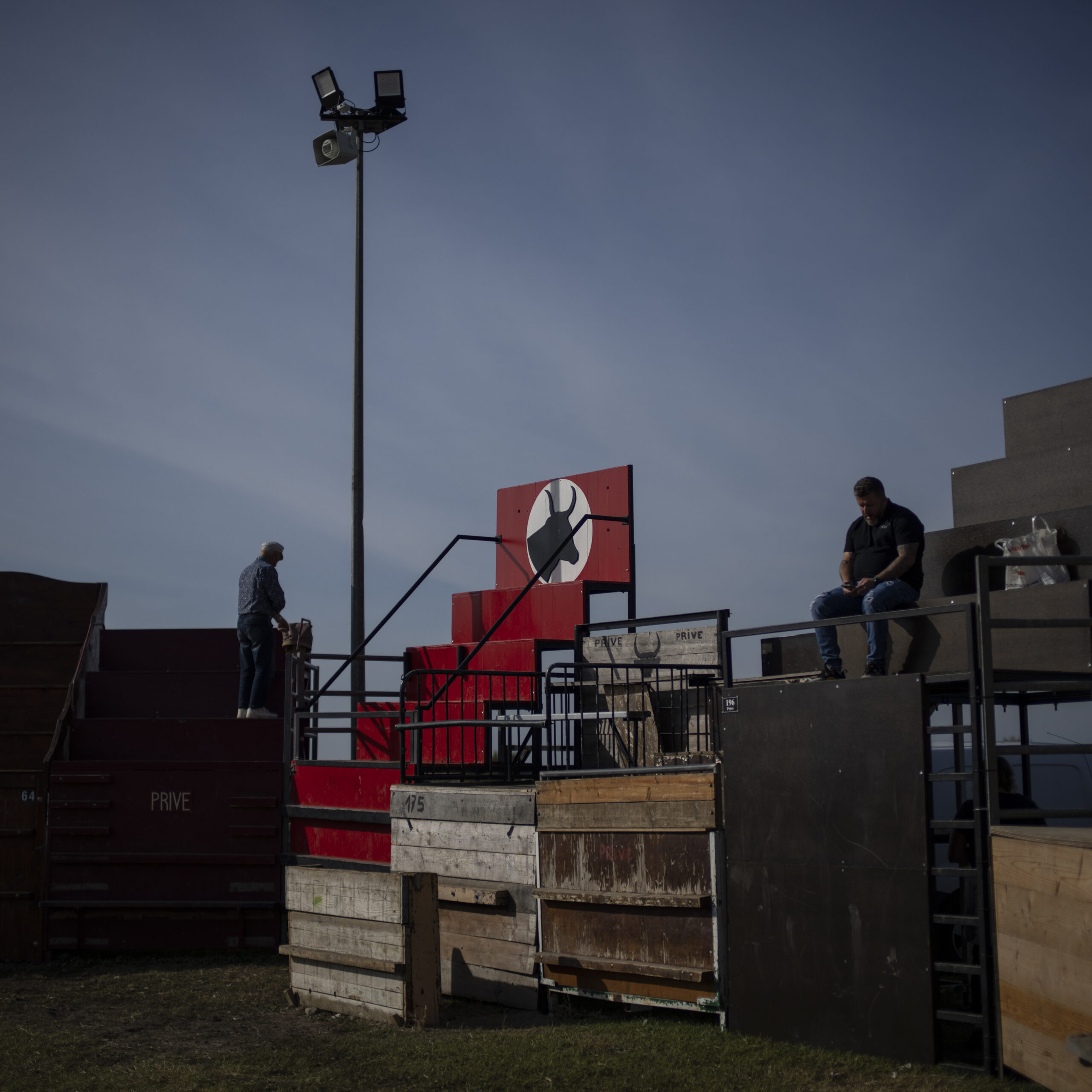
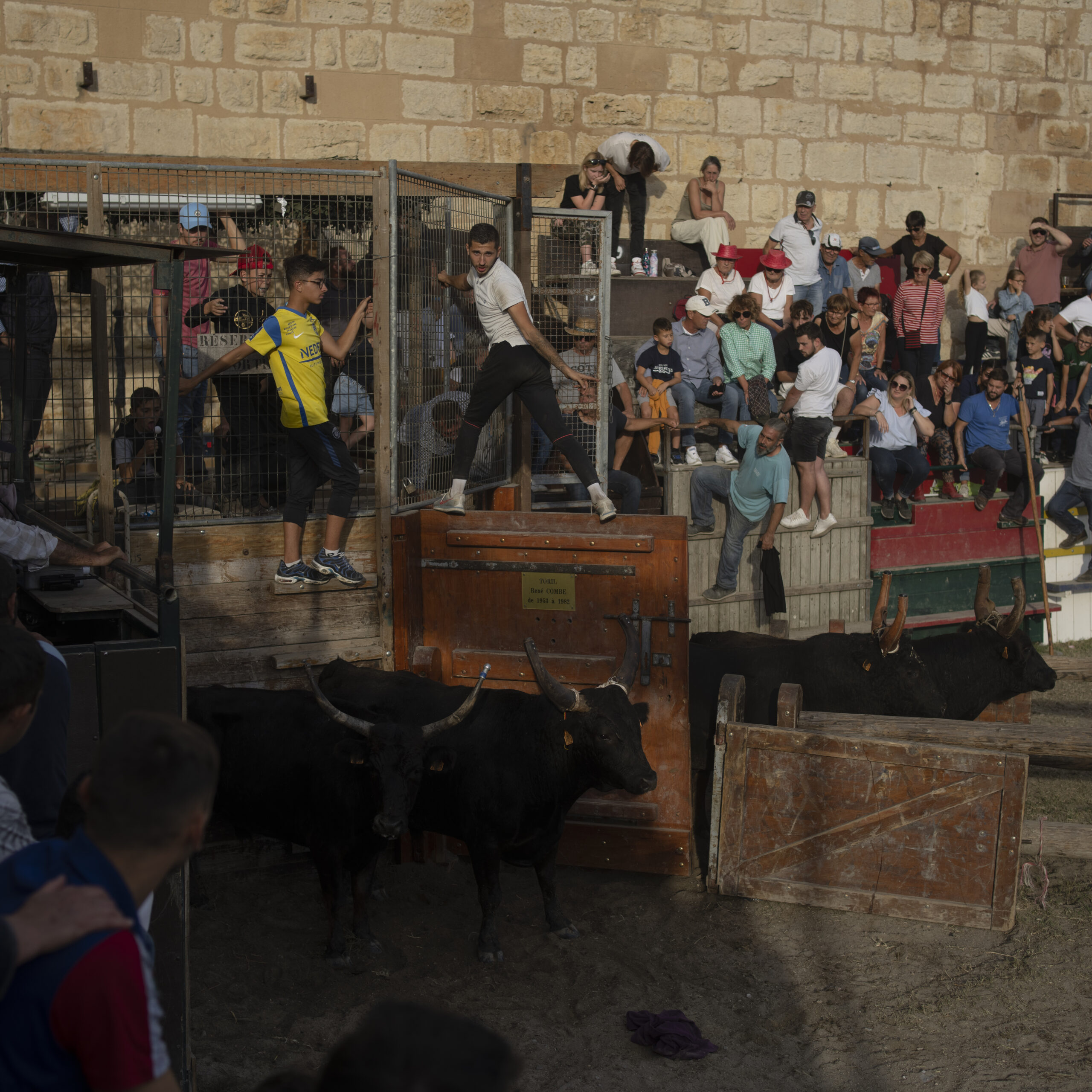
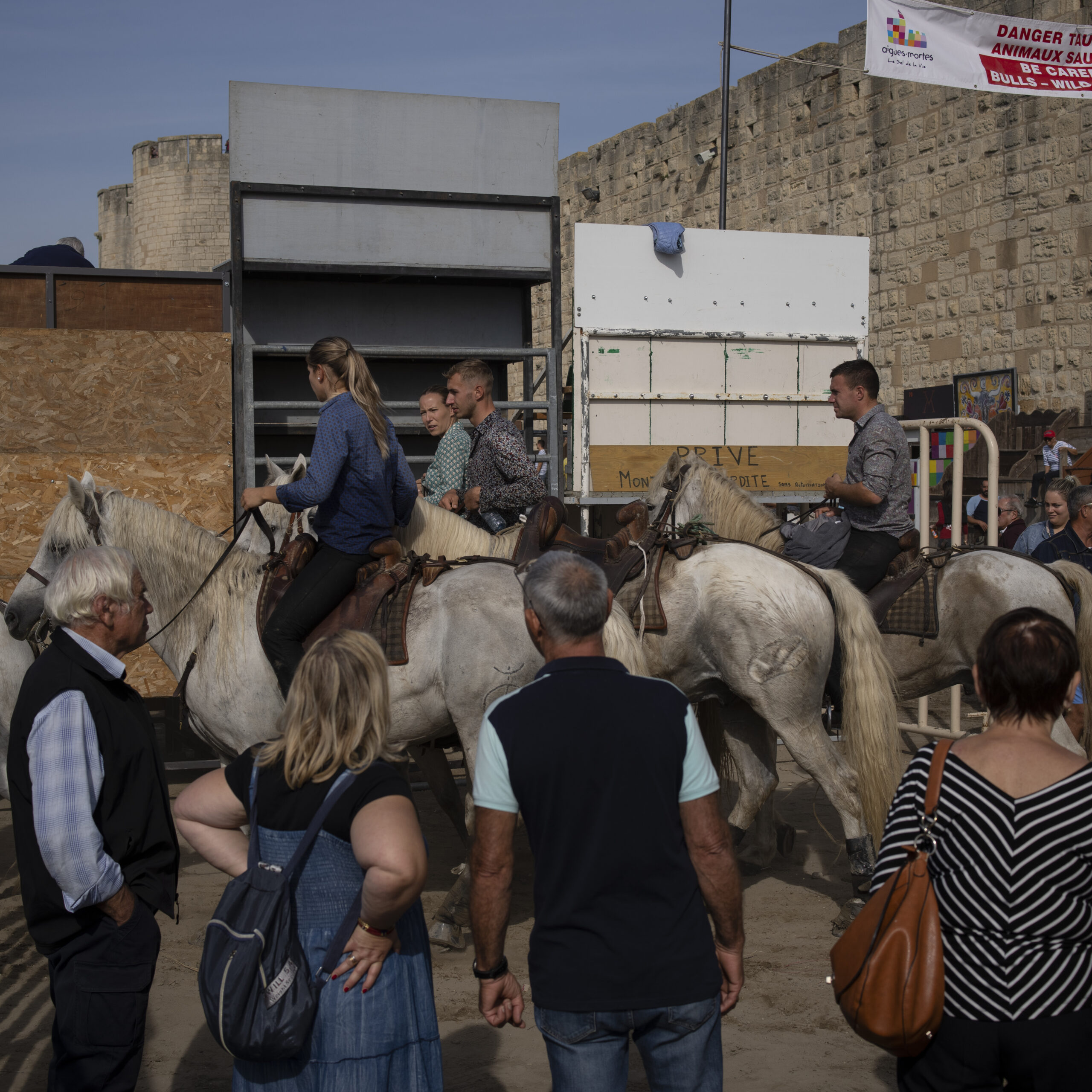
A makeshift arena built against medieval walls. Young men in collared shirts versus a bull bred for the chase. The country's southern wetlands begin here.
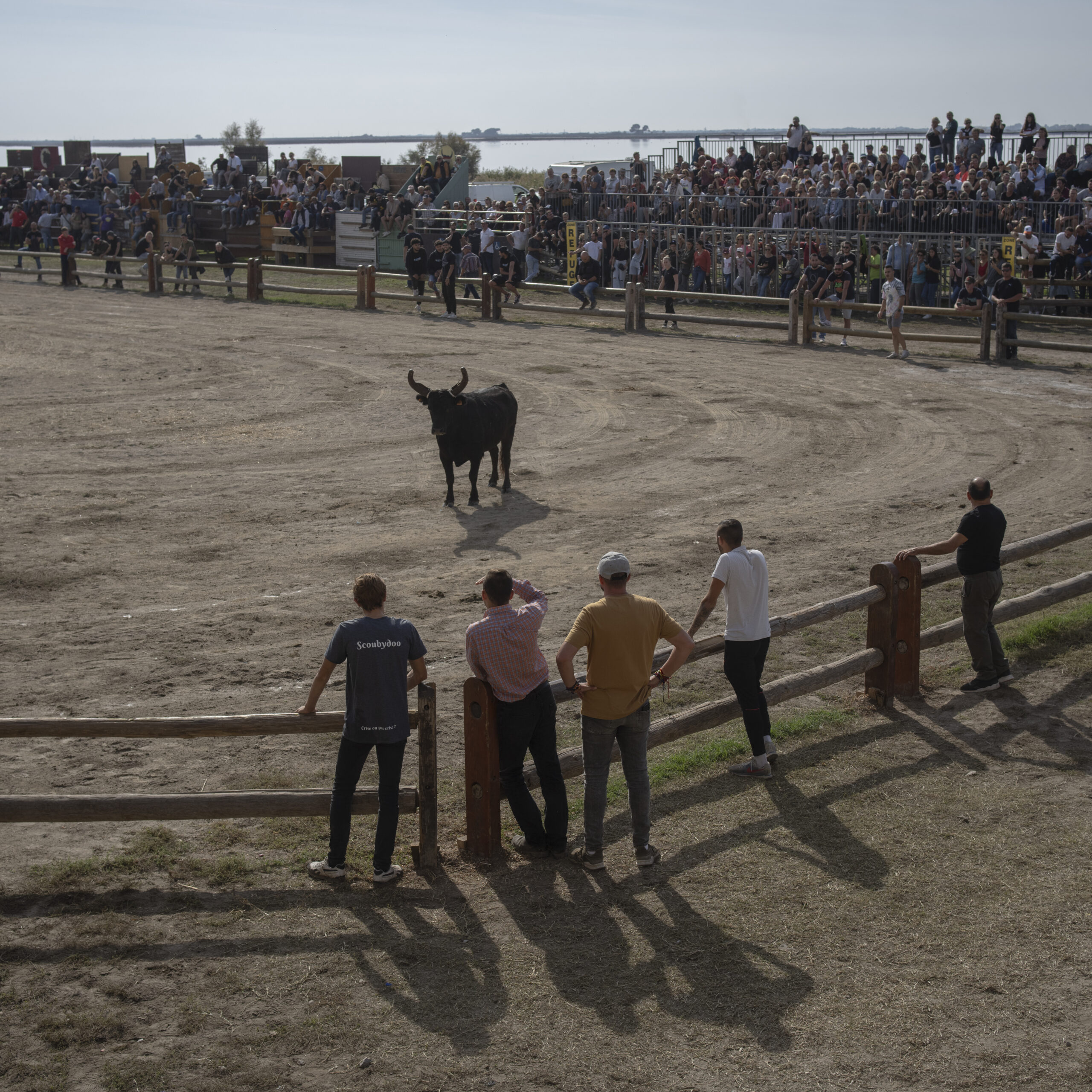
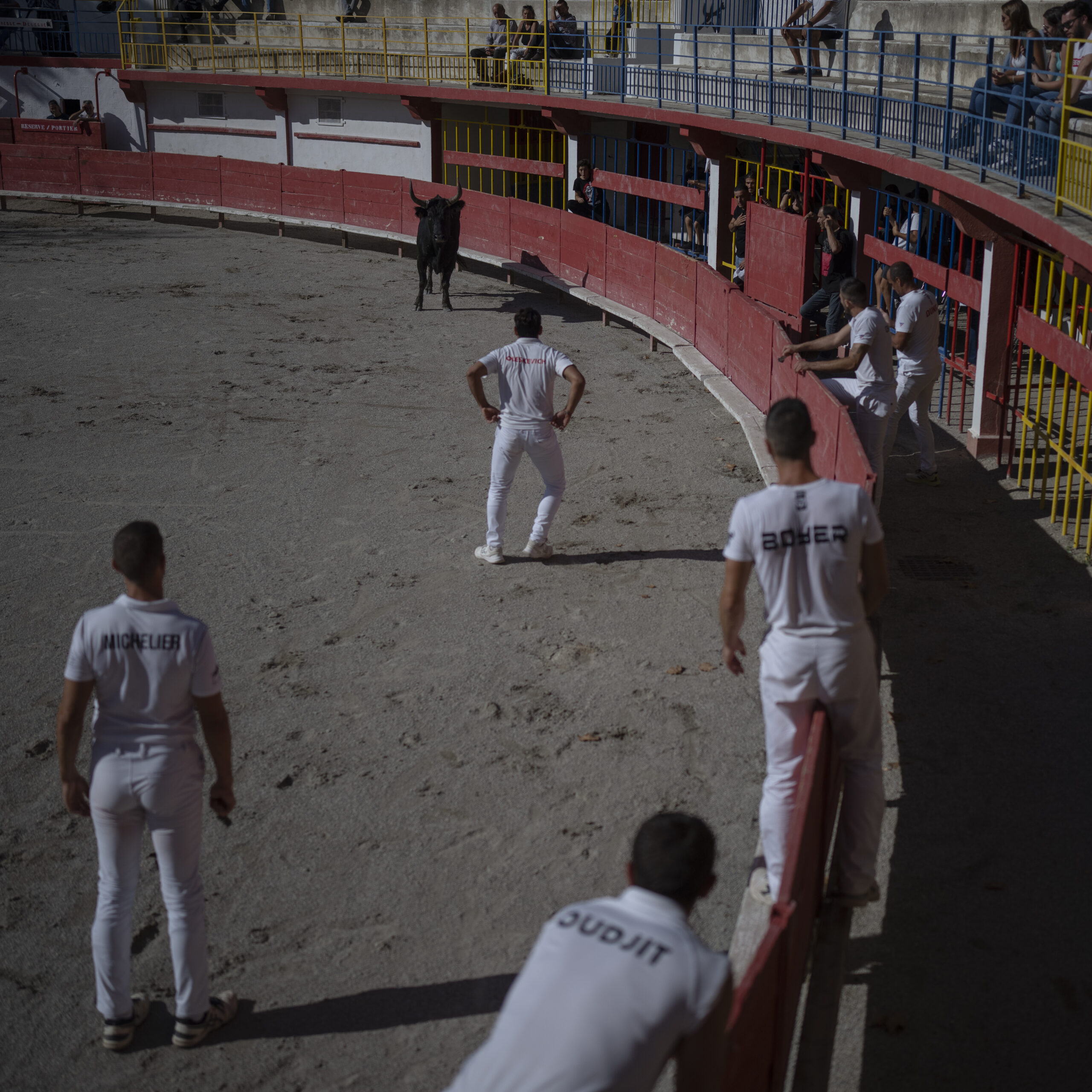
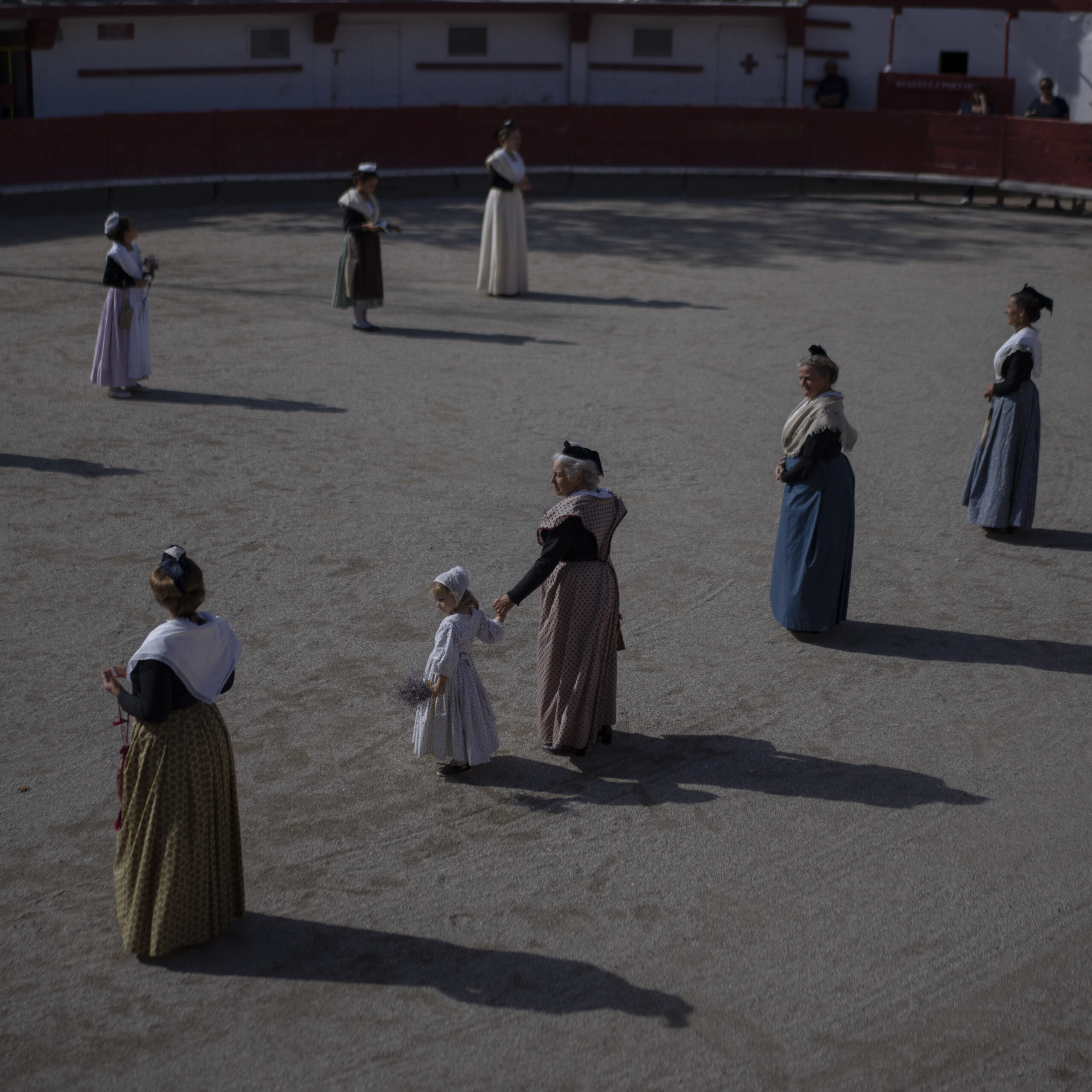
In a makeshift arena in the French coastal village Aigues-Mortes, young men in collared shirts come face-to-face with a raging bull. Surrounded by the city's medieval walls, the men dodge and duck the animal's charges to collective gasps from spectators. Part ritual, part spectacle, the tradition is woven into the culture of the country's southern wetlands, known as the Camargue.
For centuries, people from across the region have observed Camarguaise bull festivities in the Rhône delta, where the Rhône river and the Mediterranean Sea meet. But the tradition is under threat from rising sea levels, heatwaves and droughts which are making water sources salty and lands infertile, leaving bull-herders to rethink their livelihoods.
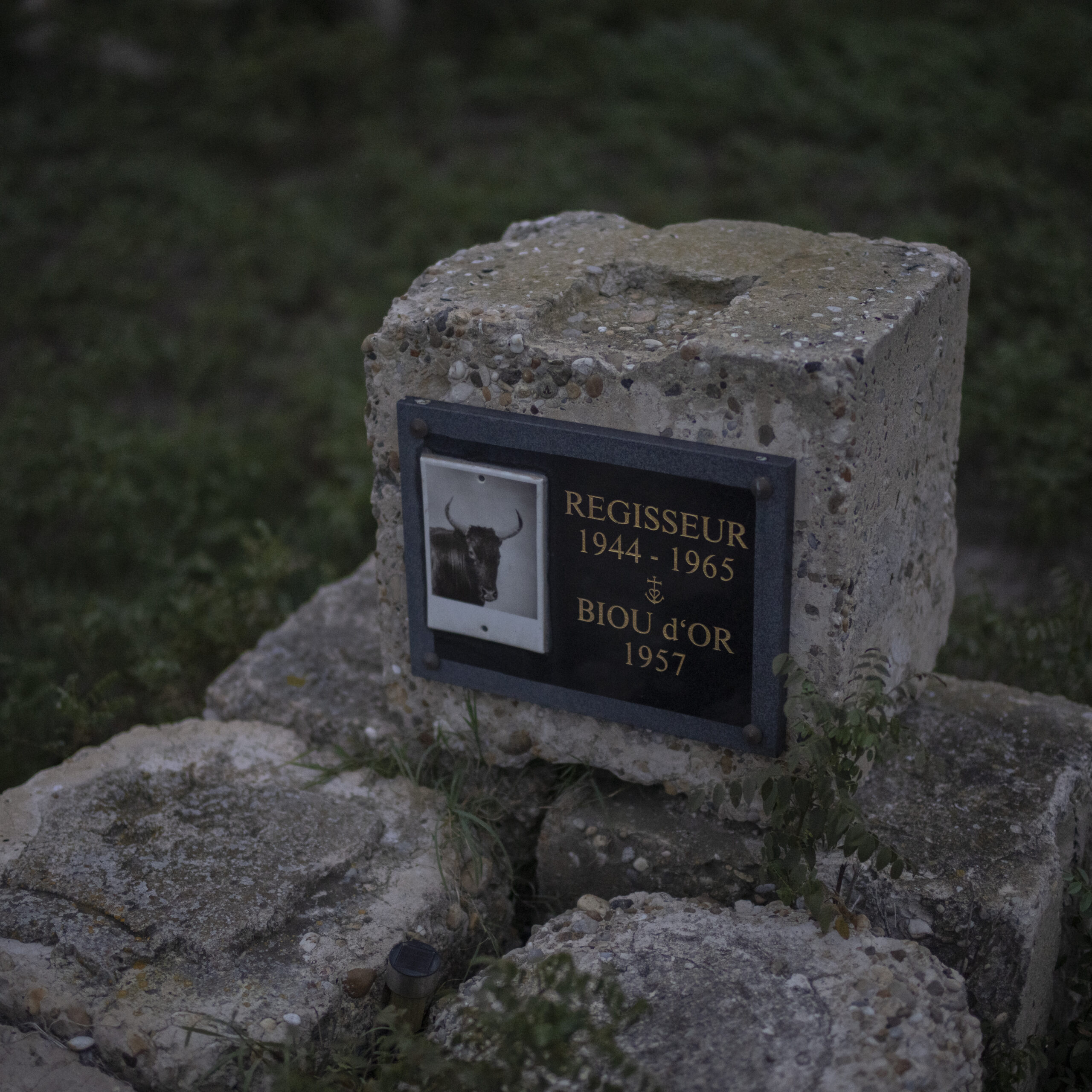
A retrato · Jean-Pierre Grimaldi"Here in Camargue the bull is God, like a king," said Aigues-Mortes resident Jean-Pierre Grimaldi from the private arena stands, where he has watched competitions for decades. "We live to serve these animals. Some of the most brilliant bulls even have their own tombs built for them to be buried in."
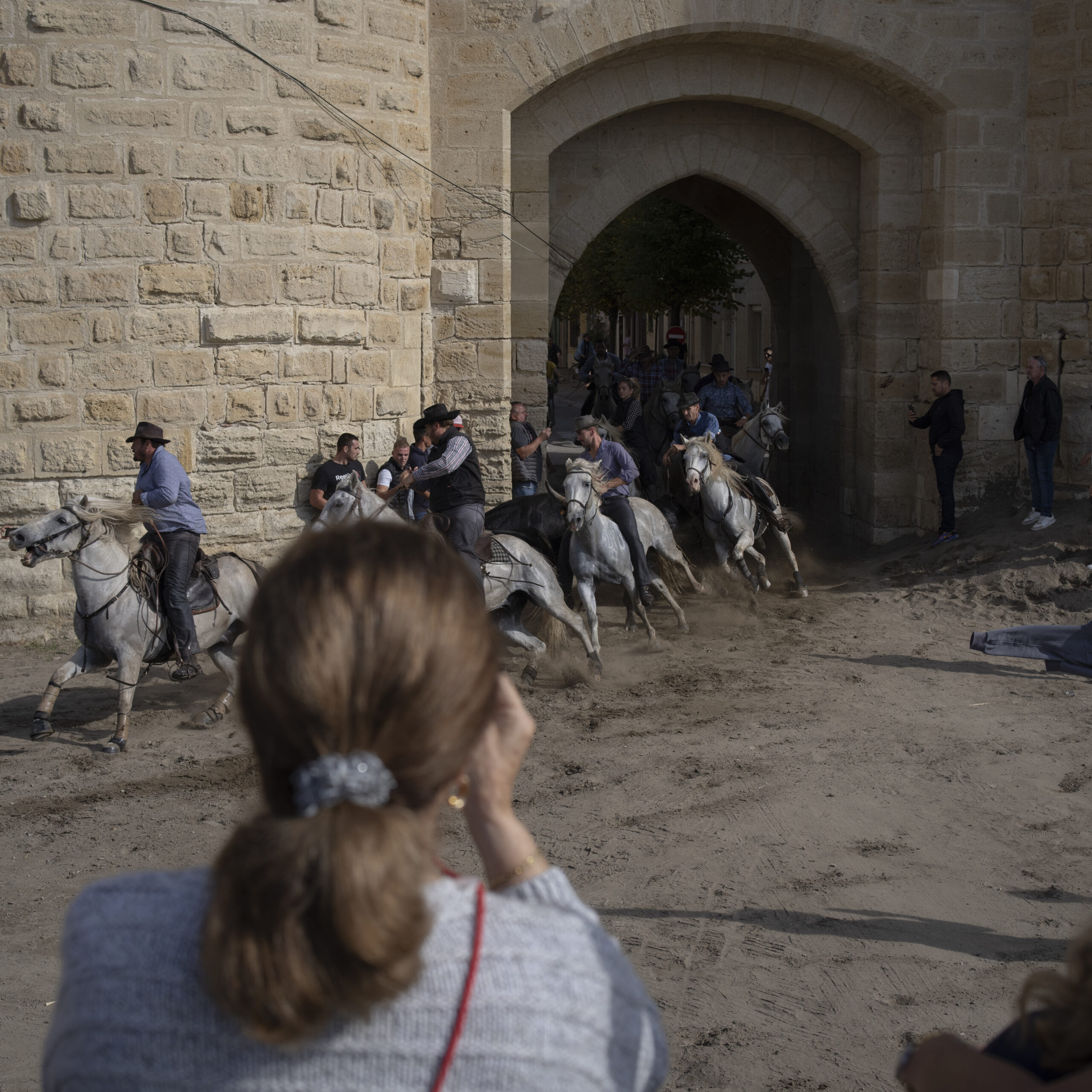
Here in Camargue the bull is God, like a king. We live to serve these animals.Jean-Pierre Grimaldi · Resident, Aigues-Mortes
La manade
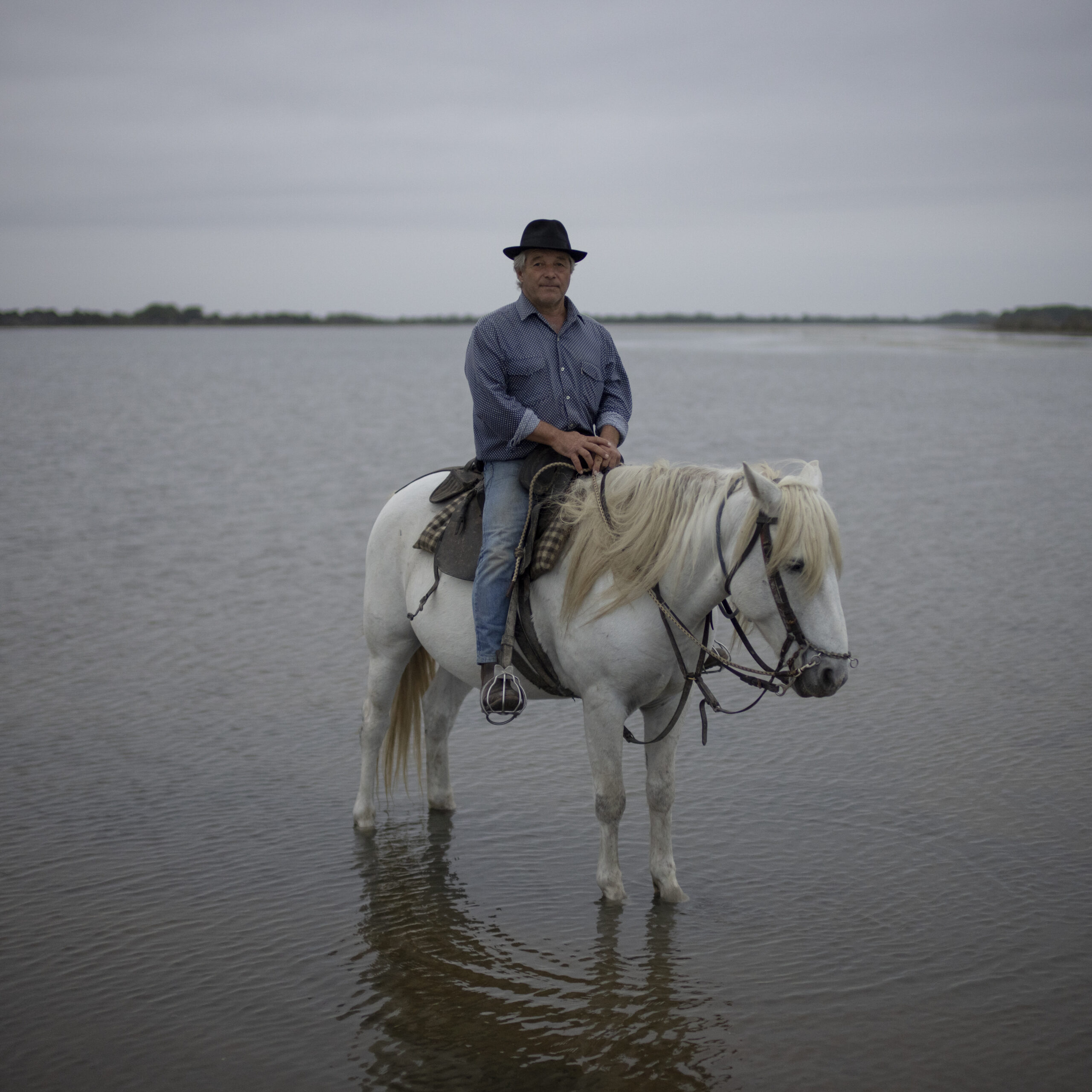
Frédéric Raynaud raises bulls along a coast that is moving. The edge of his ranch slips into the sea each year. He has bought land farther north.
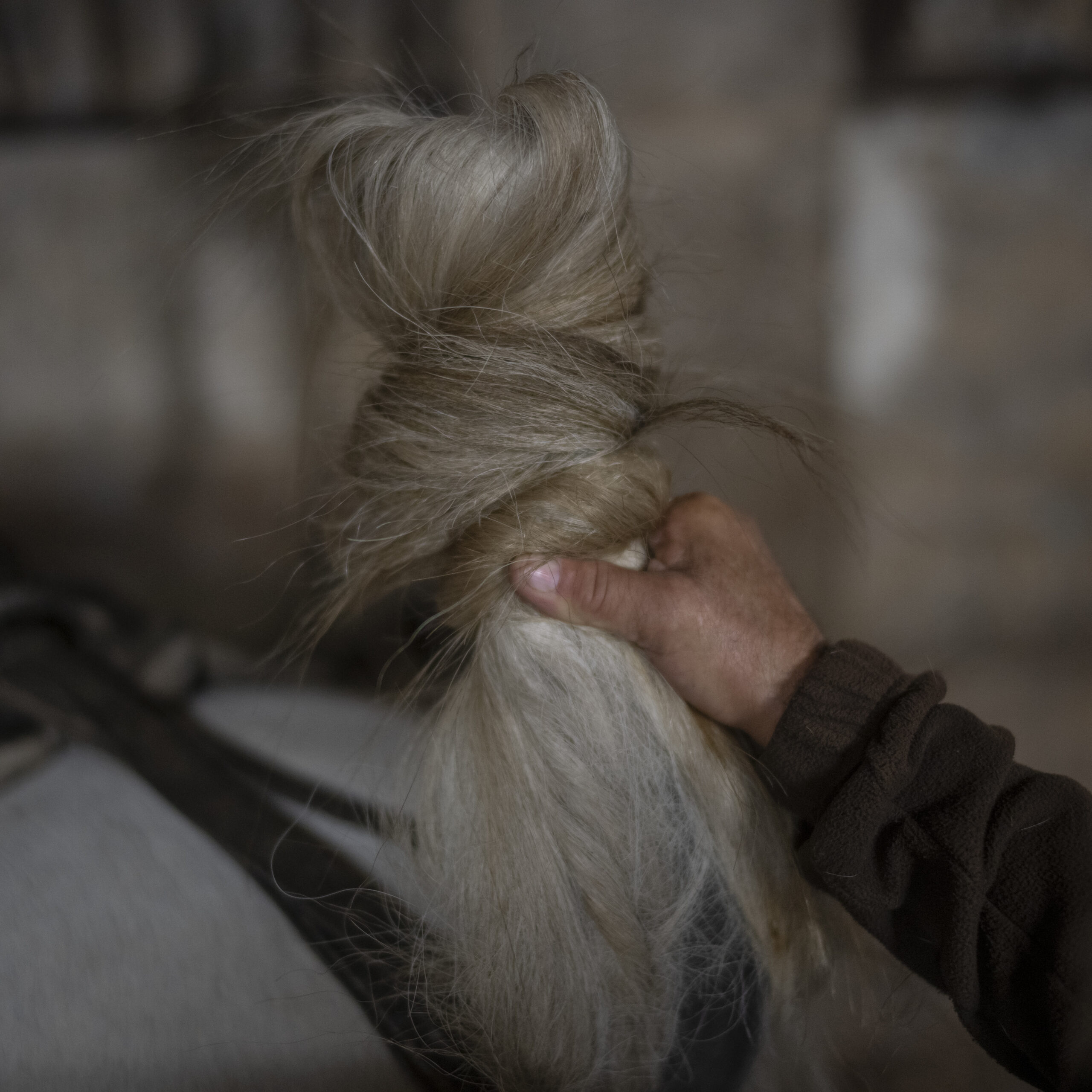
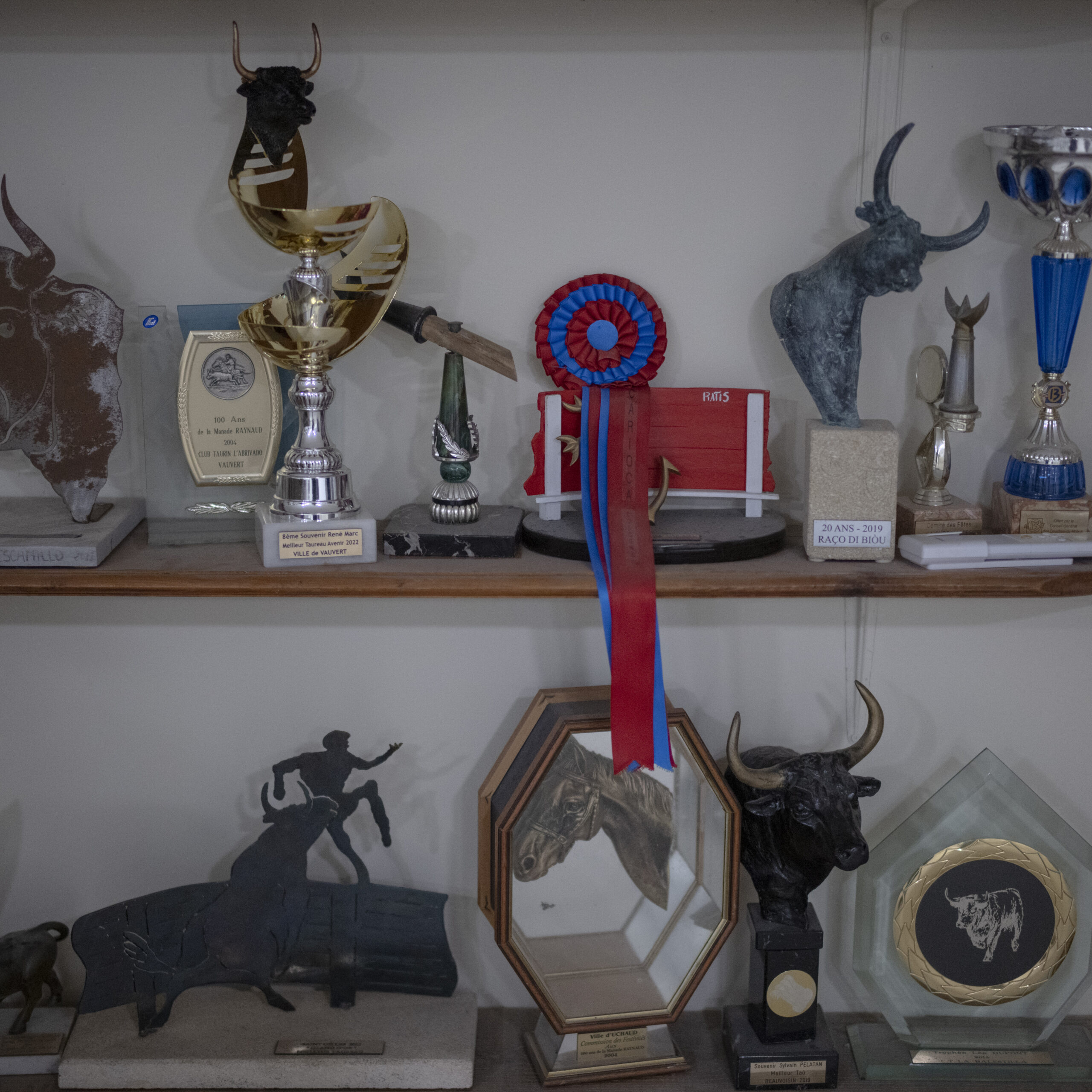
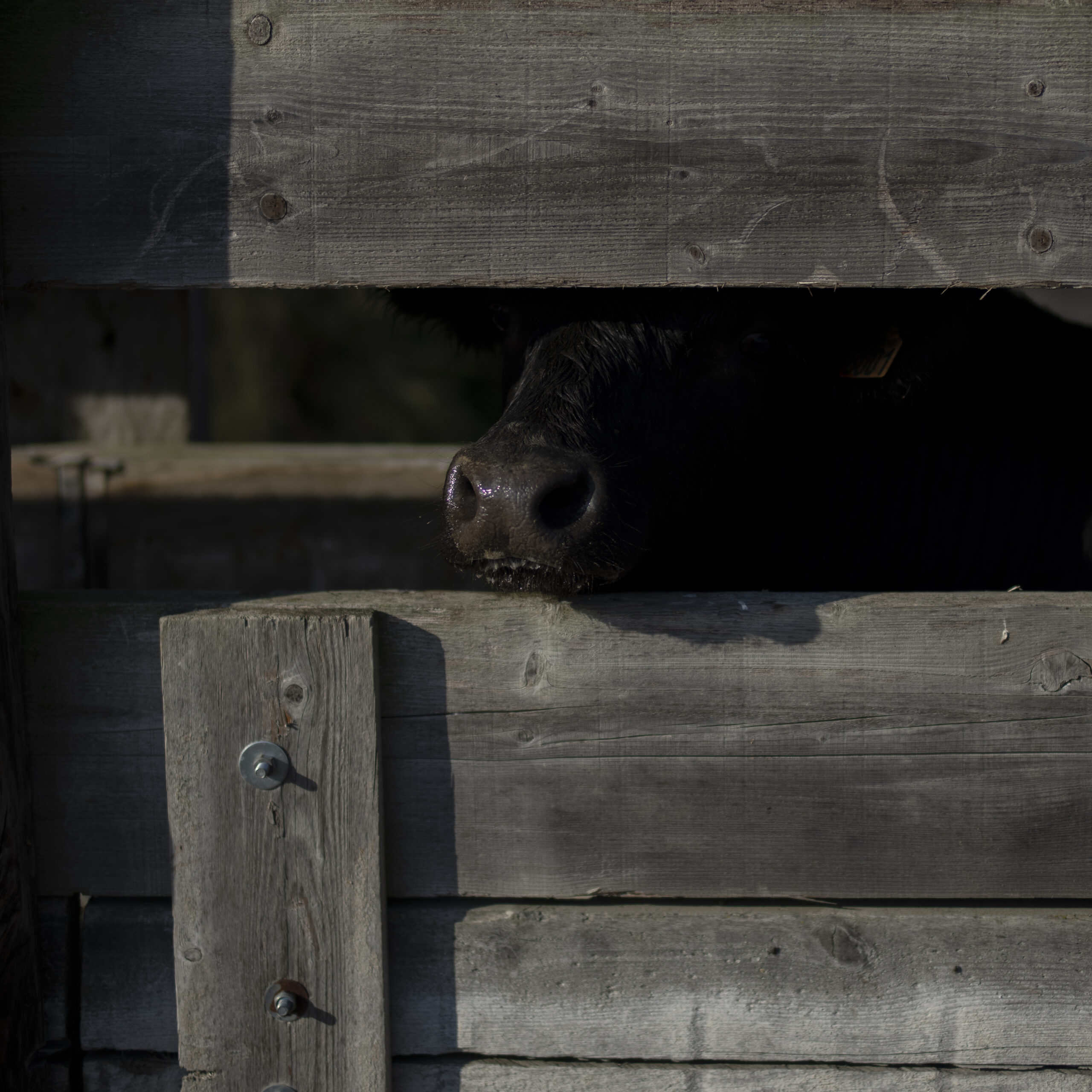
Generations of manadiers, ranchers like Frédéric Raynaud in the Camargue just east of Aigues-Mortes, have dedicated their lives to raising the bulls indigenous to the region. Wilder bulls that can win prestigious fighting events are the most prized.
Raynaud, a fifth-generation manadier, has raised many such bulls on his manade, the term for ranches in the region. His operation currently looks after around 250 Camargue bulls and 15 horses in semi-wild pastures along the coast. But he fears that soon his much-celebrated cattle will not have land left to graze on.
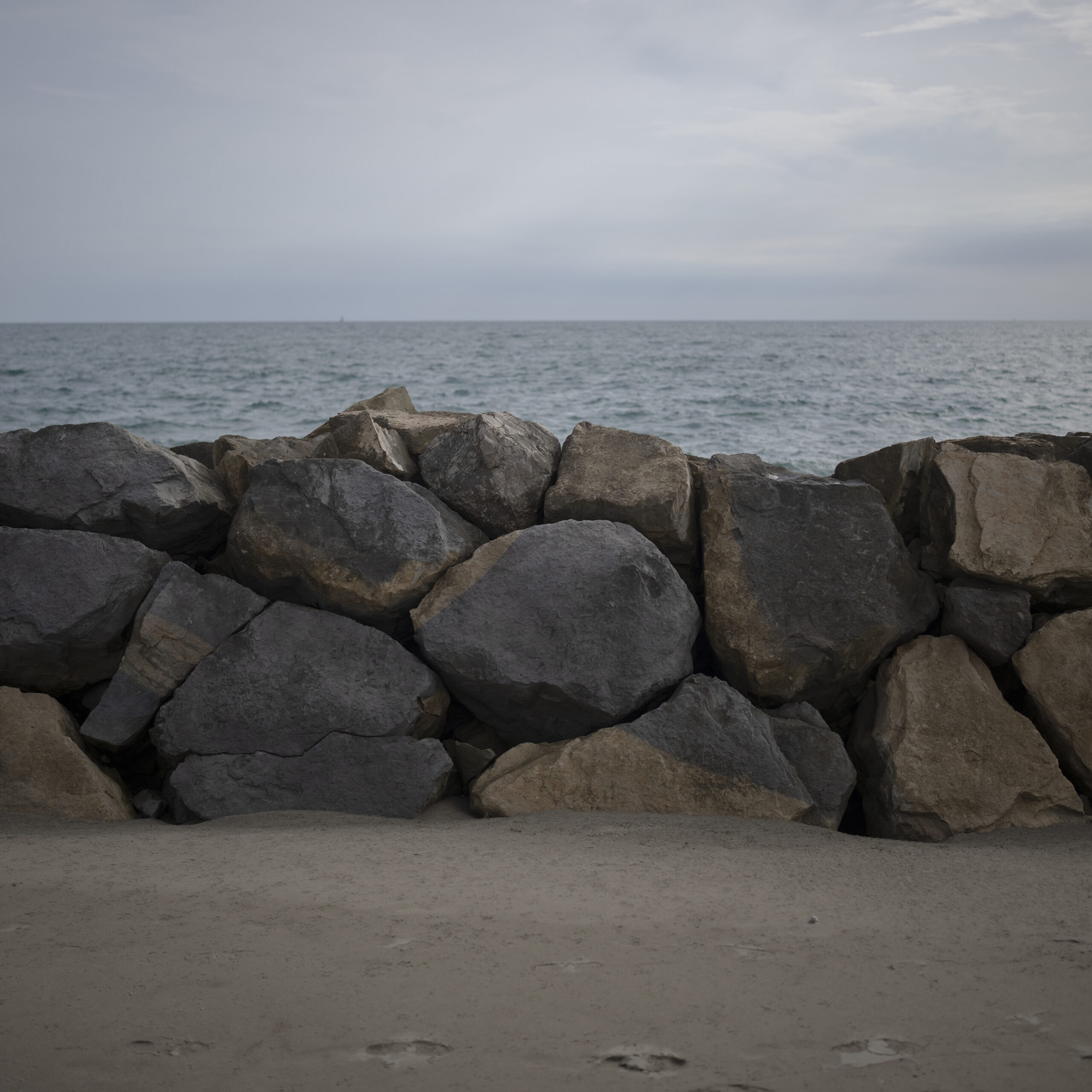
"The sea level rises on our coast and takes more and more of our land," Raynaud said.
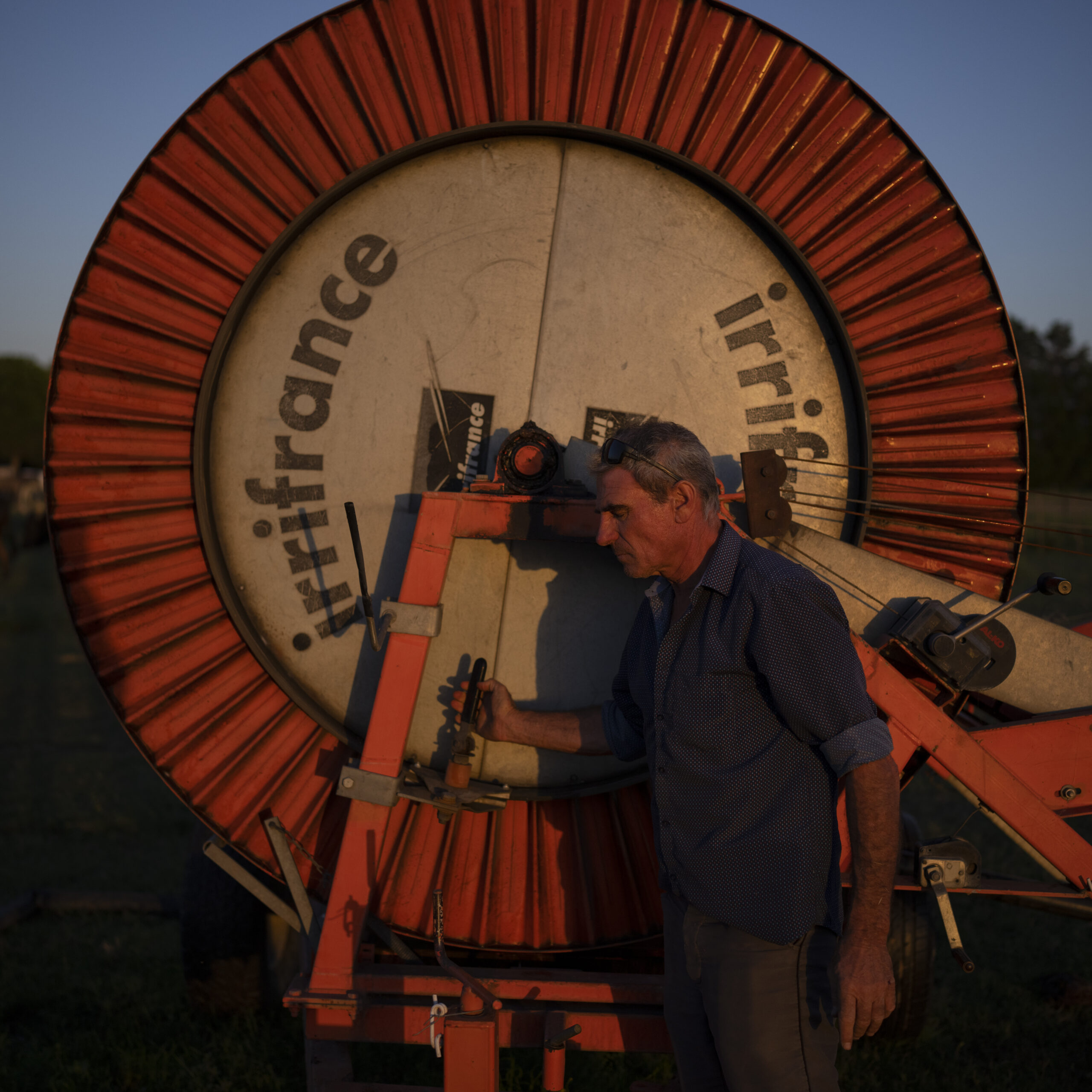
A temporary dyke built by local authorities to stop the growing sea has sunk in on itself. Water passes through it and into the manade's pastures. The edge of the ranch is slipping into the sea. Land that hasn't been swallowed is becoming unusable as encroaching seas make the wetlands increasingly salty.
Le sel monte par le sol"We used to have the salt rising up only on land nearer the coast," Raynaud said. "But now the salt rises up through the soil five or six kilometres beyond the shoreline, where you can see salt encrusting over the vegetation."

It is impossible to stop the sea. Maybe we can slow down its rise, but we cannot stop it. She does what she wants.Frédéric Raynaud · Manadier, fifth generation
Twice the global average. The sea around Saintes-Maries rises by 3.7 mm a year.
Measured by the Tour du Valat research institute between 2001 and 2019. Warming oceans expand. Ice over land melts. The Camargue, a delta at sea level, has nowhere to go.
Glaciers are melting at an incredibly high rate. They have already passed the point of no return. Probably, in the years to come, the 40 % of river flow that arrives in Camargue will be reduced to a much smaller percentage.Jean Jalbert · Tour du Valat research centre
Le sel
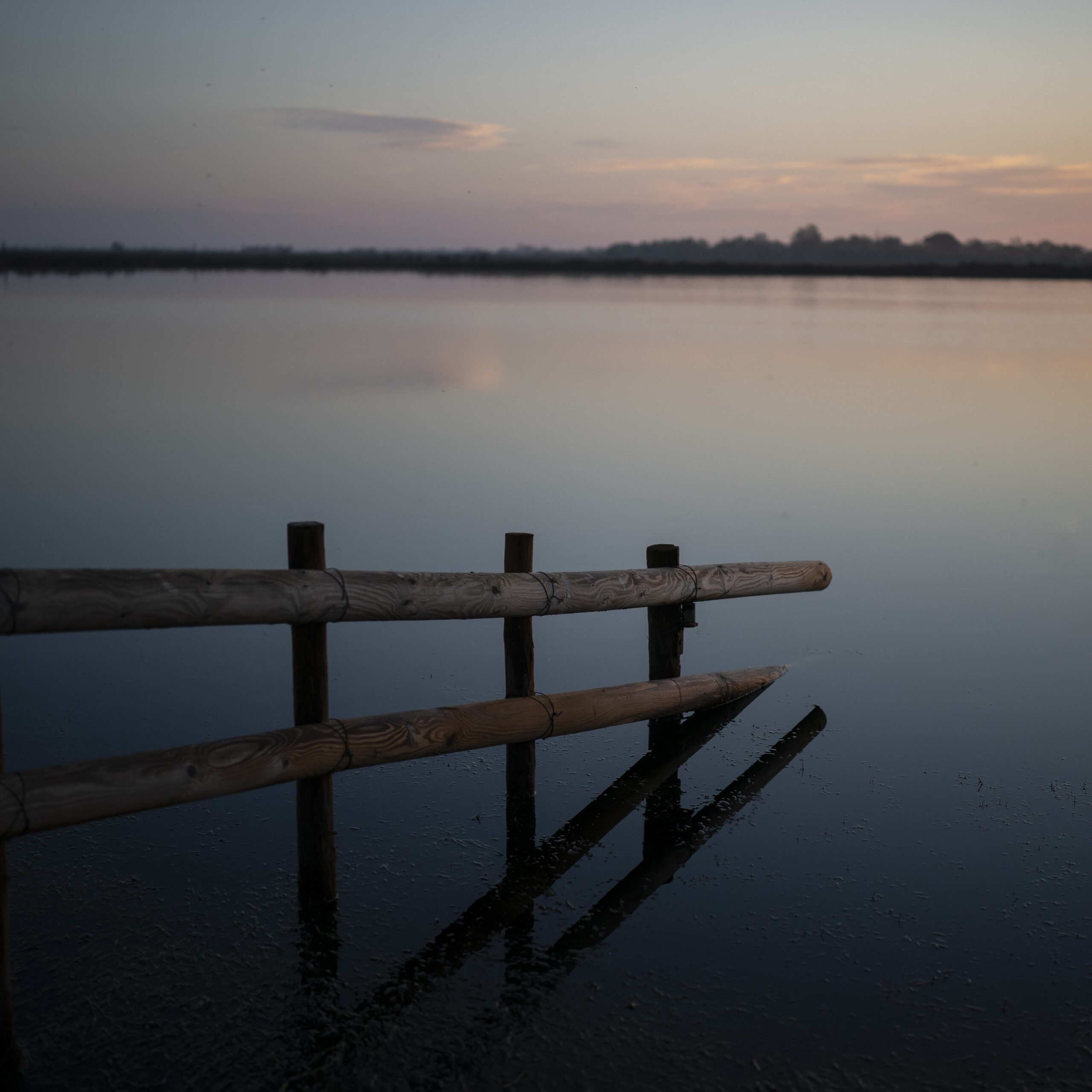
Researchers say the advance of salt into the soil will leave the land barren long before the sea engulfs it. Some pastures are already bare.
Heatwaves and drought, accelerated by climate change, are depriving the land of fresh water and allowing sea water to take over. The advance of salt up into the soil will leave the land barren and uninhabitable long before the sea engulfs it.
Some affected pastures have already become bare, with little vegetation available for animals to graze. The abnormally high salt content poses health risks to organisms not able to tolerate it. People have long been drawn to the Camargue because of the abundance of species and resources it contains, despite the challenges of living between the ebb and flow of an evolving delta. Its nutrient-rich wetlands sustain an enormous biodiversity, making it one of the most productive ecosystems in the world.
How salt arrives. A cross-section, before and after.
Salt was once confined to a narrow coastal strip. Sea-level rise and reduced river flow now push the salt wedge inland through the groundwater, salting pastures kilometres from the sea.
Le Rhône
The river is the Camargue's lifeline, washing salt back to the sea and feeding the pastures. Its flow has dropped 30 % in fifty years.
The Rhône has long served as the Camargue's lifeline, bringing fresh water from the Alps and dampening salt levels in the delta. As rain and snowfall decrease, it is becoming a less reliable source. Researchers estimate that the river's flow has reduced by 30 % in the last fifty years, and is expected only to worsen.
In summers plagued by high temperatures and diminished rainfall, sea water can rise up to twenty kilometres into the Rhône. During a heatwave in August 2022, the Raynaud family's pump in the Petit Rhône, an offshoot of the main river, began drawing salt water. They were forced to move the pump farther upstream, outside the perimeter of their own ranch, to irrigate their land and feed their animals.
The Raynauds recently bought ten hectares of land farther north, to be able to graze their bulls.
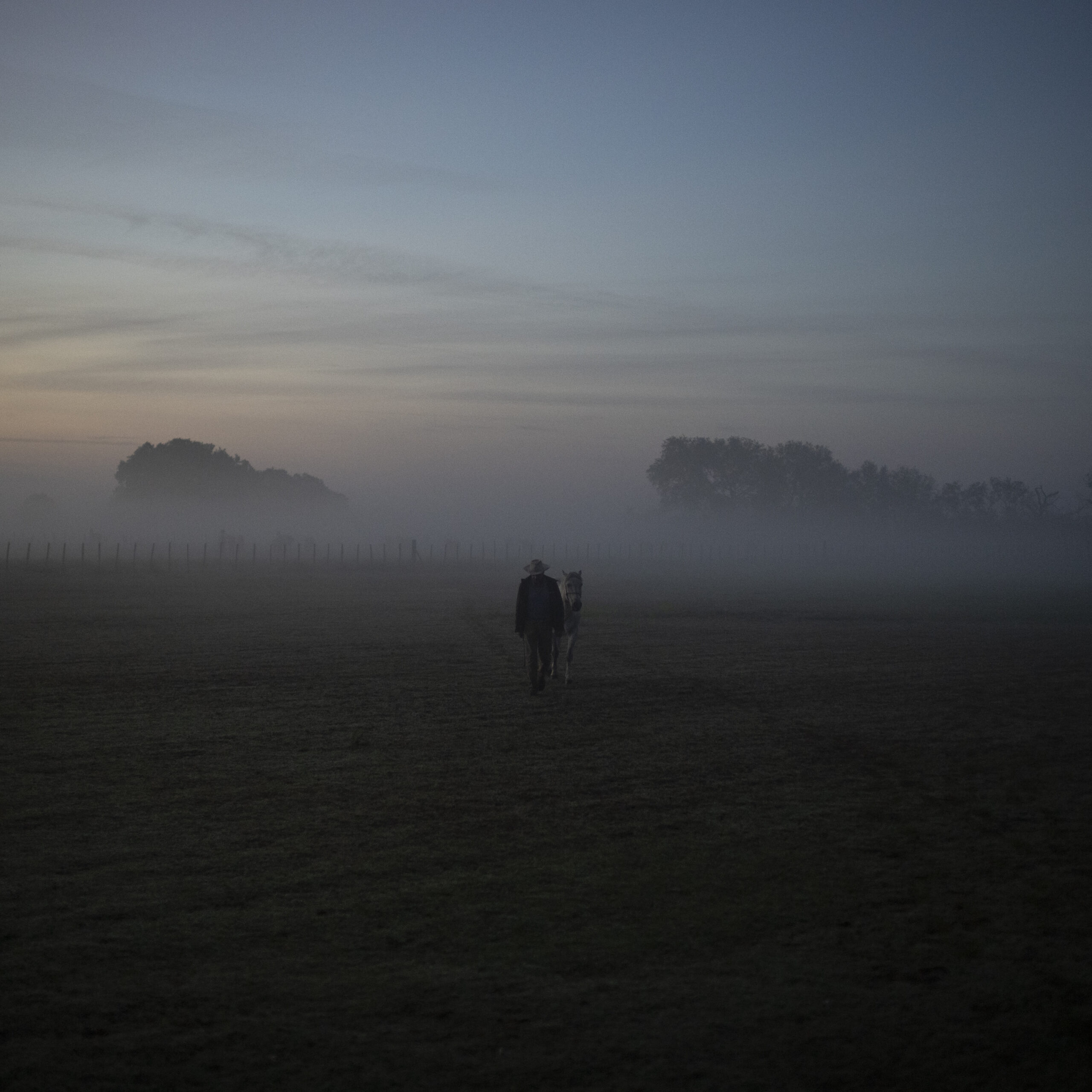
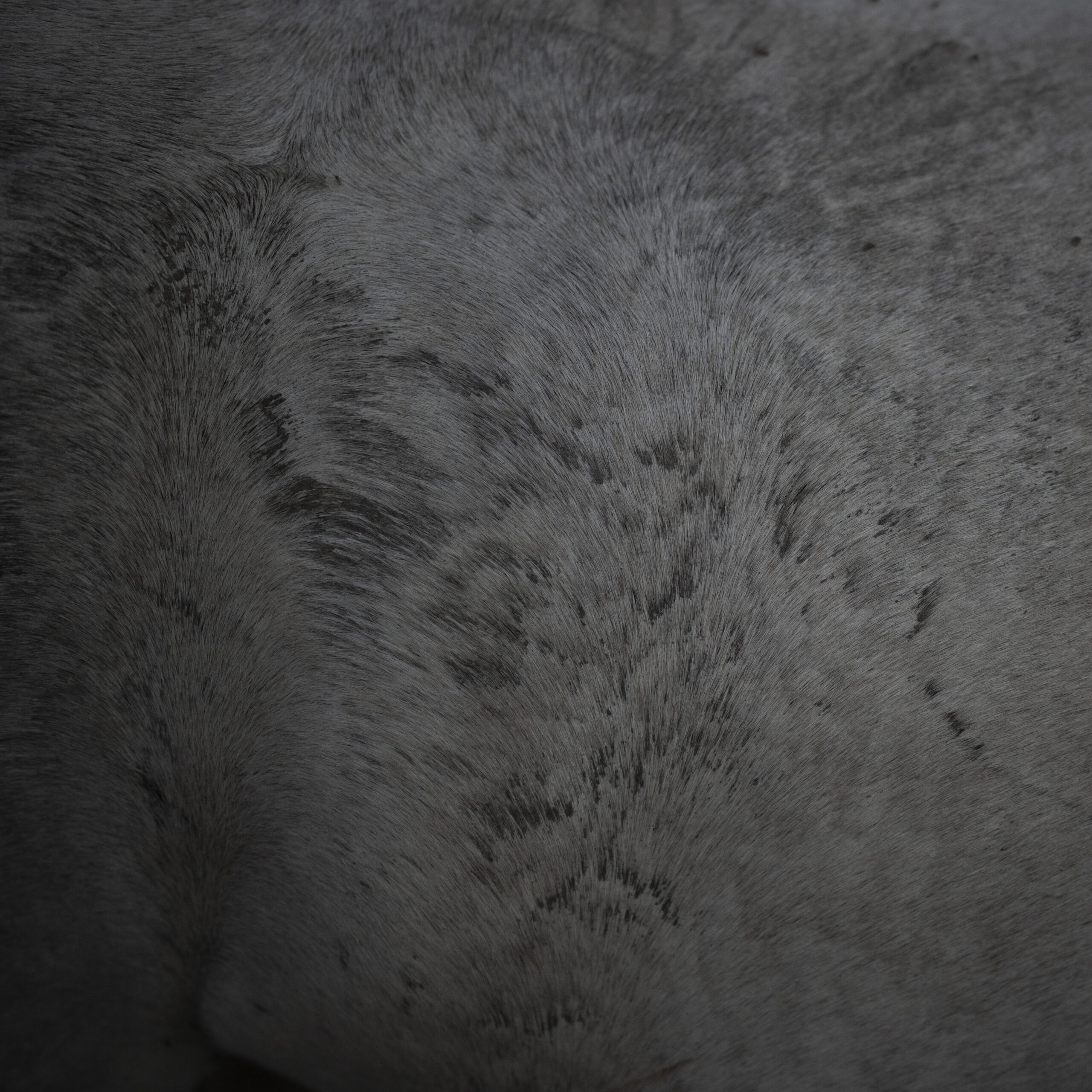
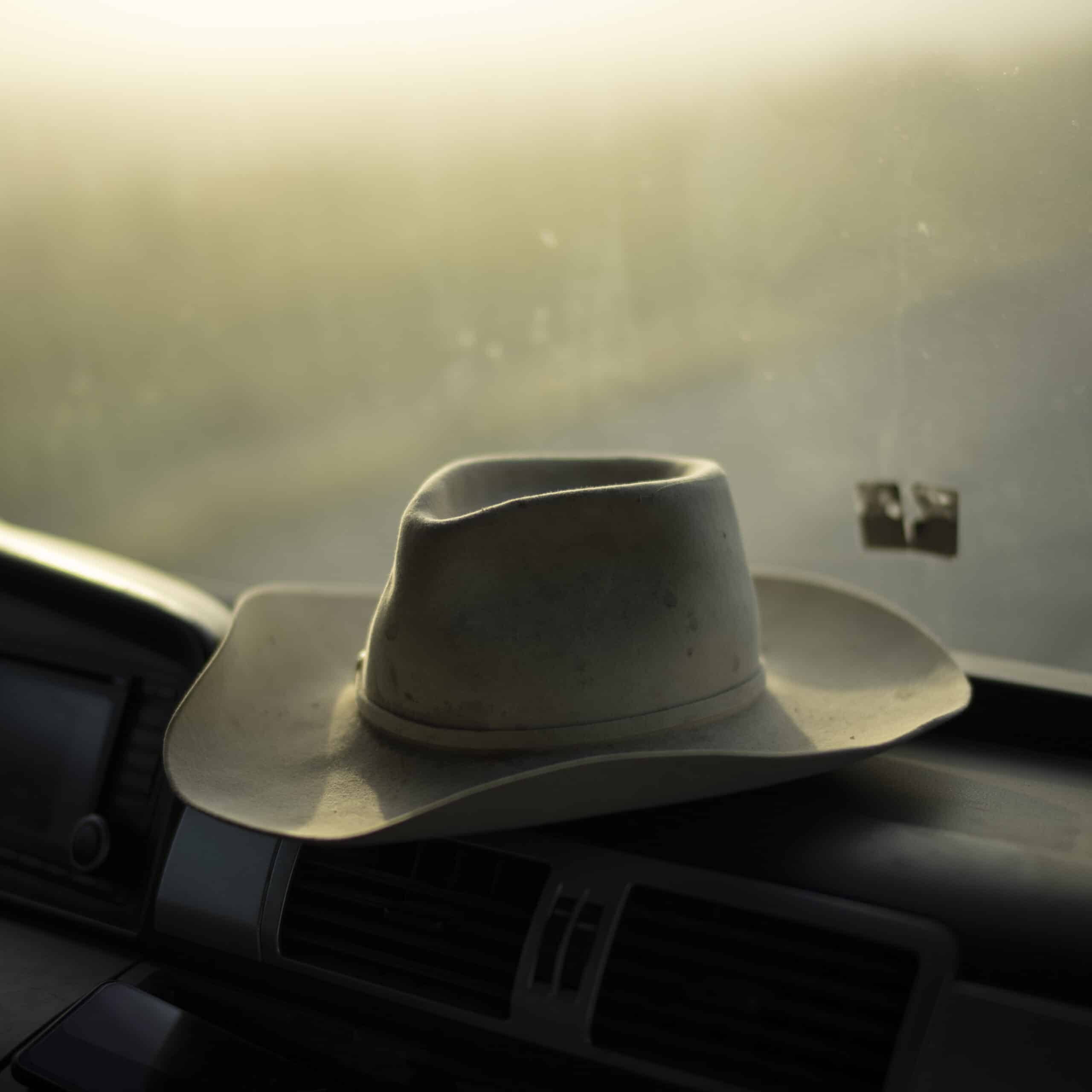
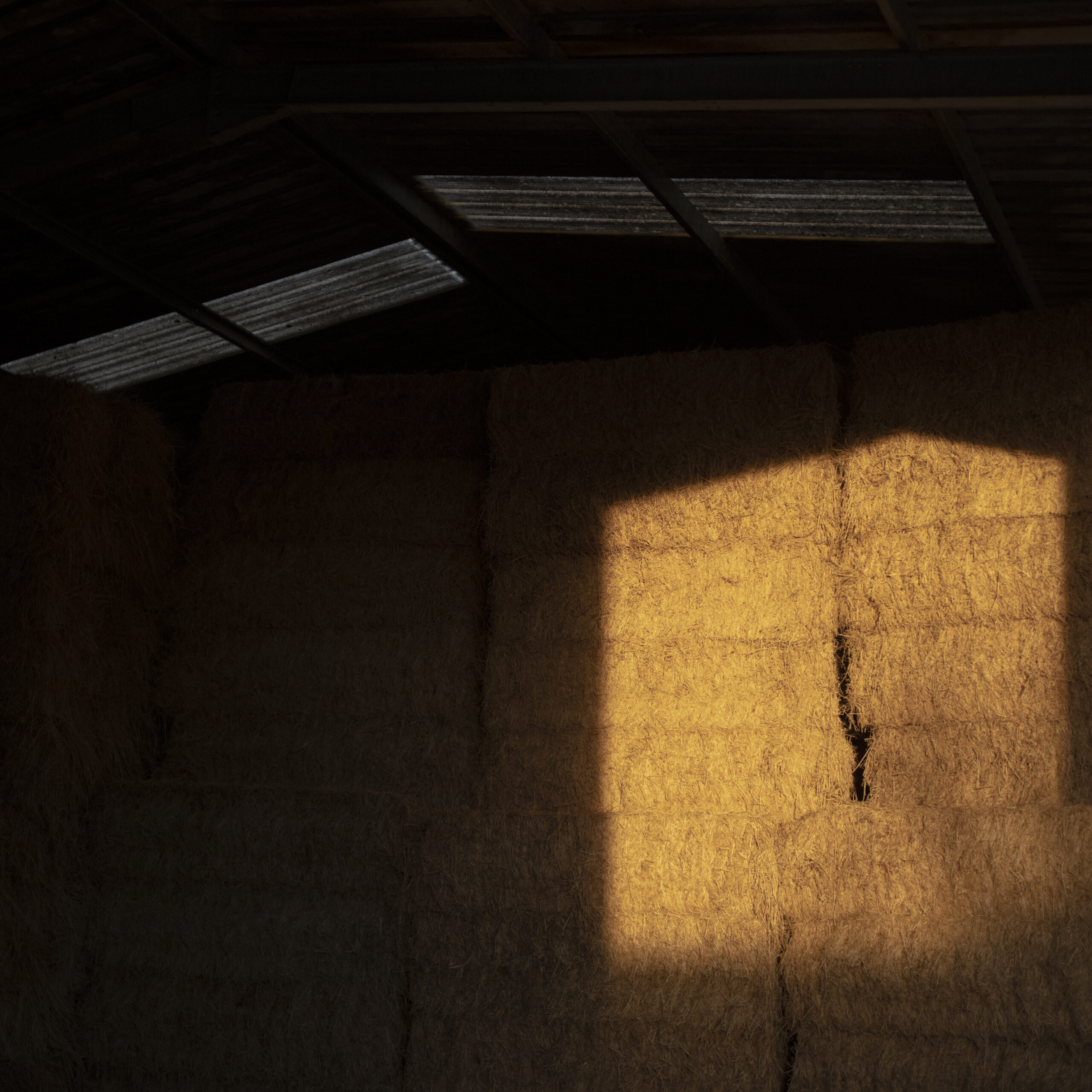
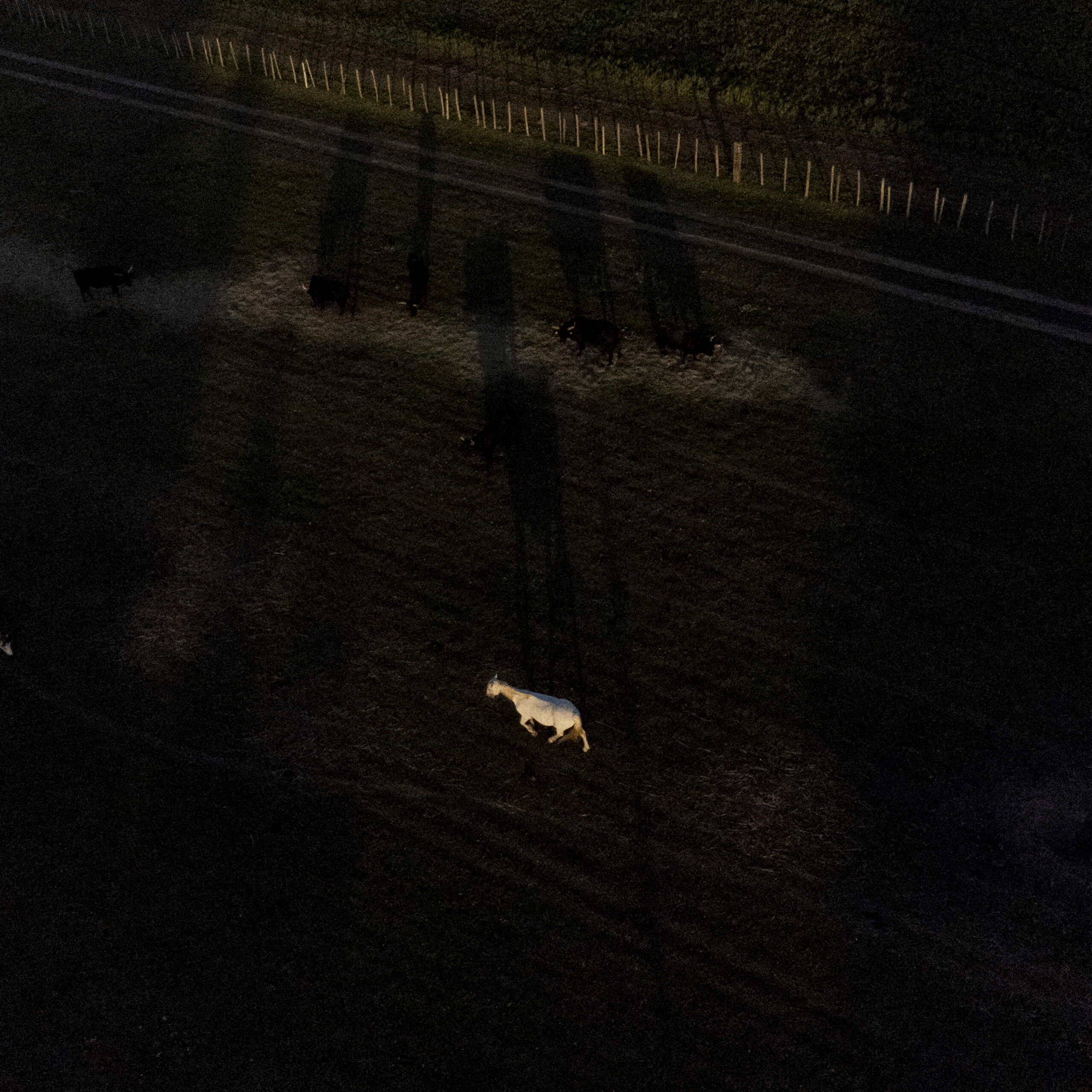
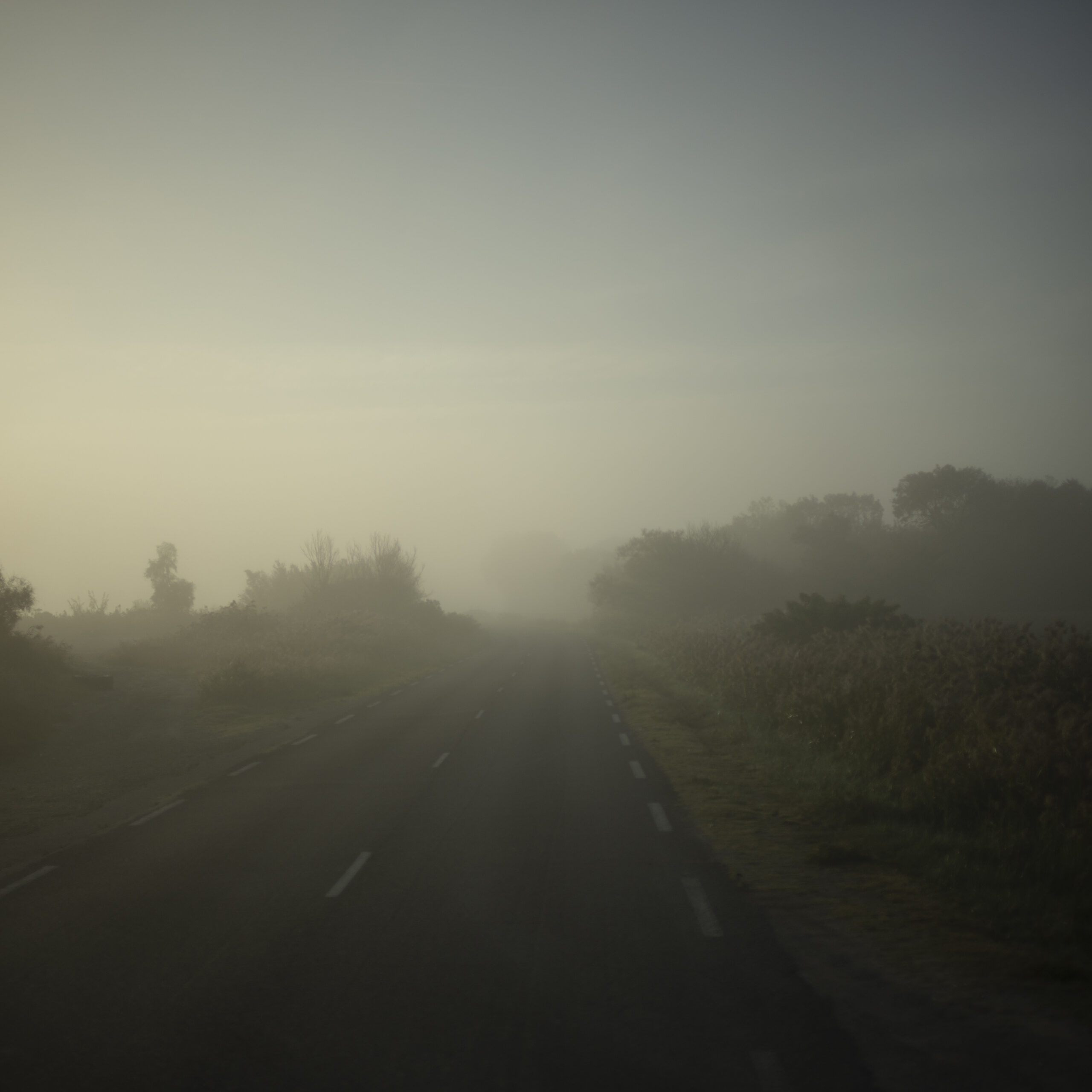
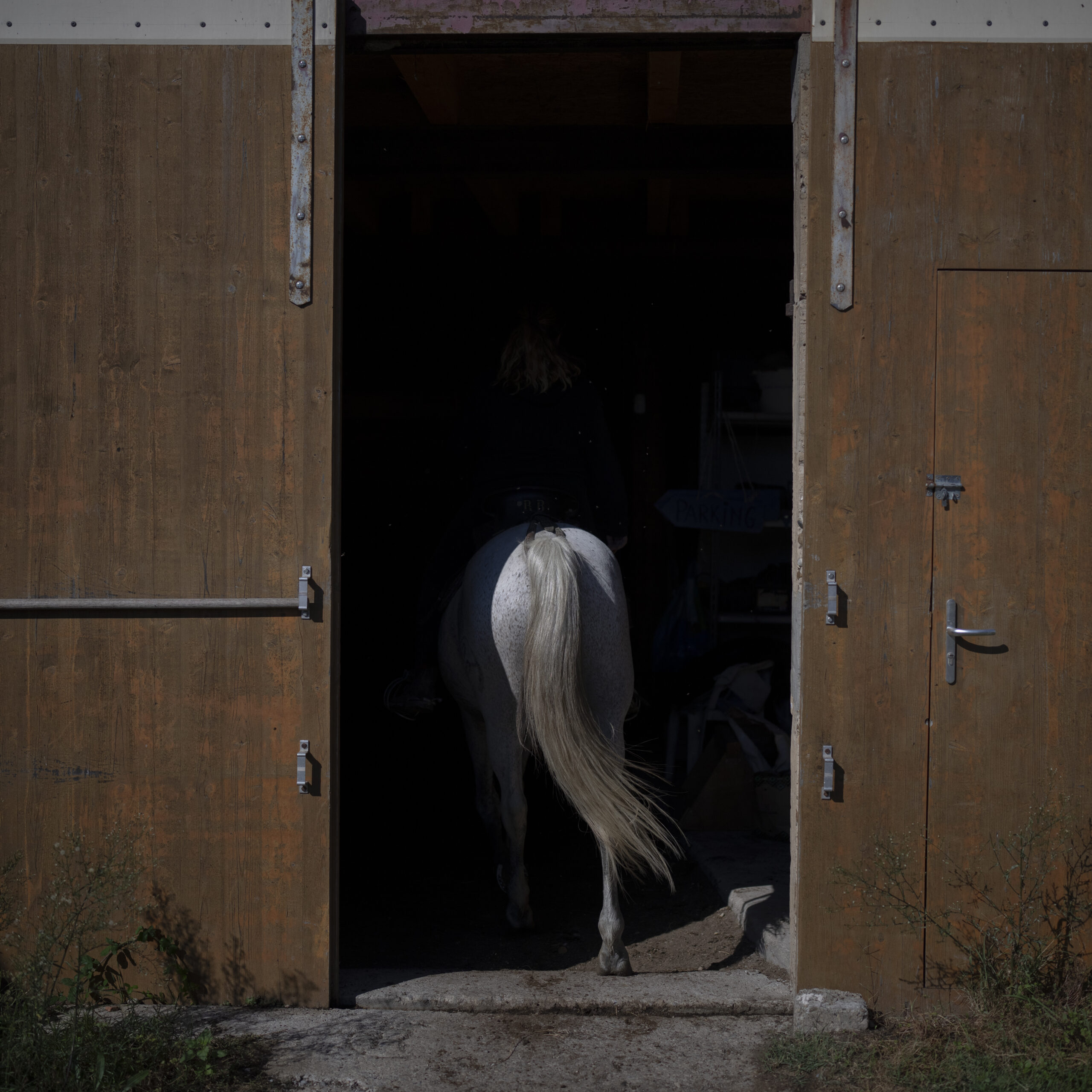
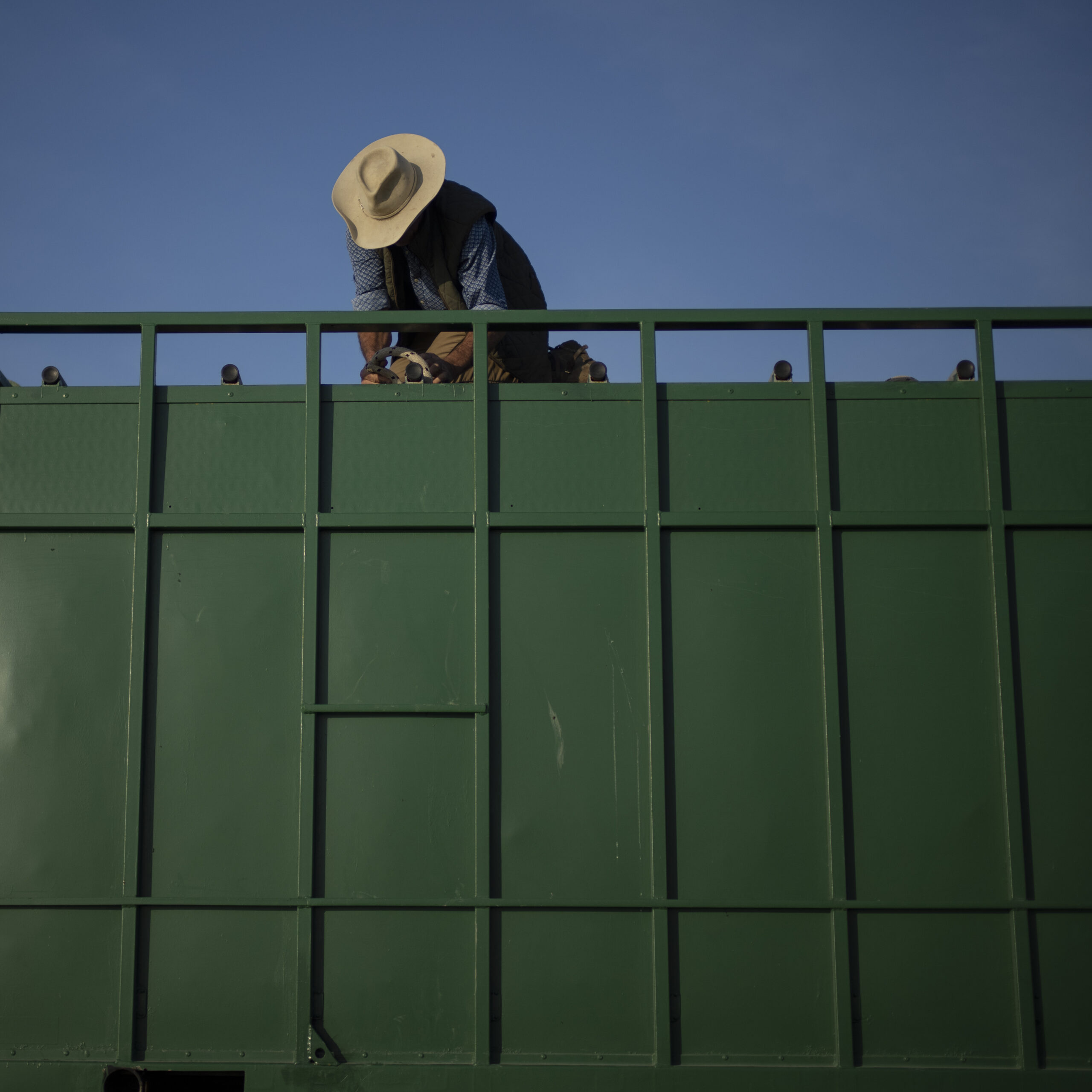
Manadier Jean-Claude GroulManadier Jean-Claude Groul already grazes his animals across separated pastures, taking advantage of the different conditions each offers. At the crack of dawn he whistles as he walks through an open field, until a group of cotton-white Camargue horses heed his call and emerge from the fog. He loads them onto his truck and drives from one of his pastures to another he owns farther down the road.
Partir
Less and less territory is being kept for the ranches as authorities acquire land for preservation. The mayor of Saintes-Maries questions whether the renaturalisation will leave any townspeople behind.
Less and less territory is being prioritised for the ranches as authorities scramble to acquire land destined for preservation. Christine Aillet, the mayor of Saintes-Maries-de-la-Mer, has argued that statewide preservation efforts are putting nature over her townspeople.
"They tell you on TV that the Camargue needs to be renaturalised," said Aillet, who is sceptical of schemes aimed at saving the region by limiting global warming and reforesting the land. "If we renaturalise… the Camargue will leave us dry without fresh water."
Aillet favours measures such as increasing the number of tidal barriers along the coastline, which she says will help residents. Researchers say such ideas are only a temporary fix and won't withstand the effects of coastal erosion in a fast-altering climate.
Scientists in the region say the Camargue risks losing both its economic and cultural worth, as well as its natural beauty, if interventions aren't taken to curb climate change. Top climate experts say sea levels will continue to rise and that drastic action is needed to stop making the problem worse.
Everything the sea takes.
A list of the Camargue's most exposed places, in projected order of submersion under one metre of sea-level rise, the IPCC's worst-case scenario for the end of this century. Some are already retreating.
Projected order of loss
- Phare de Faraman
- Plage de Piémanson
- Salins du Caban
- Pointe de Beauduc
- Phare de la Gacholle
- Domaine de la Palissade
- Étang du Fangassier
- Étang des Impériaux
- Saintes-Maries-de-la-Mer
- Le Sambuc
- Étang de Vaccarès
Sources · IGN · IPCC AR6 · Tour du Valat (2023)
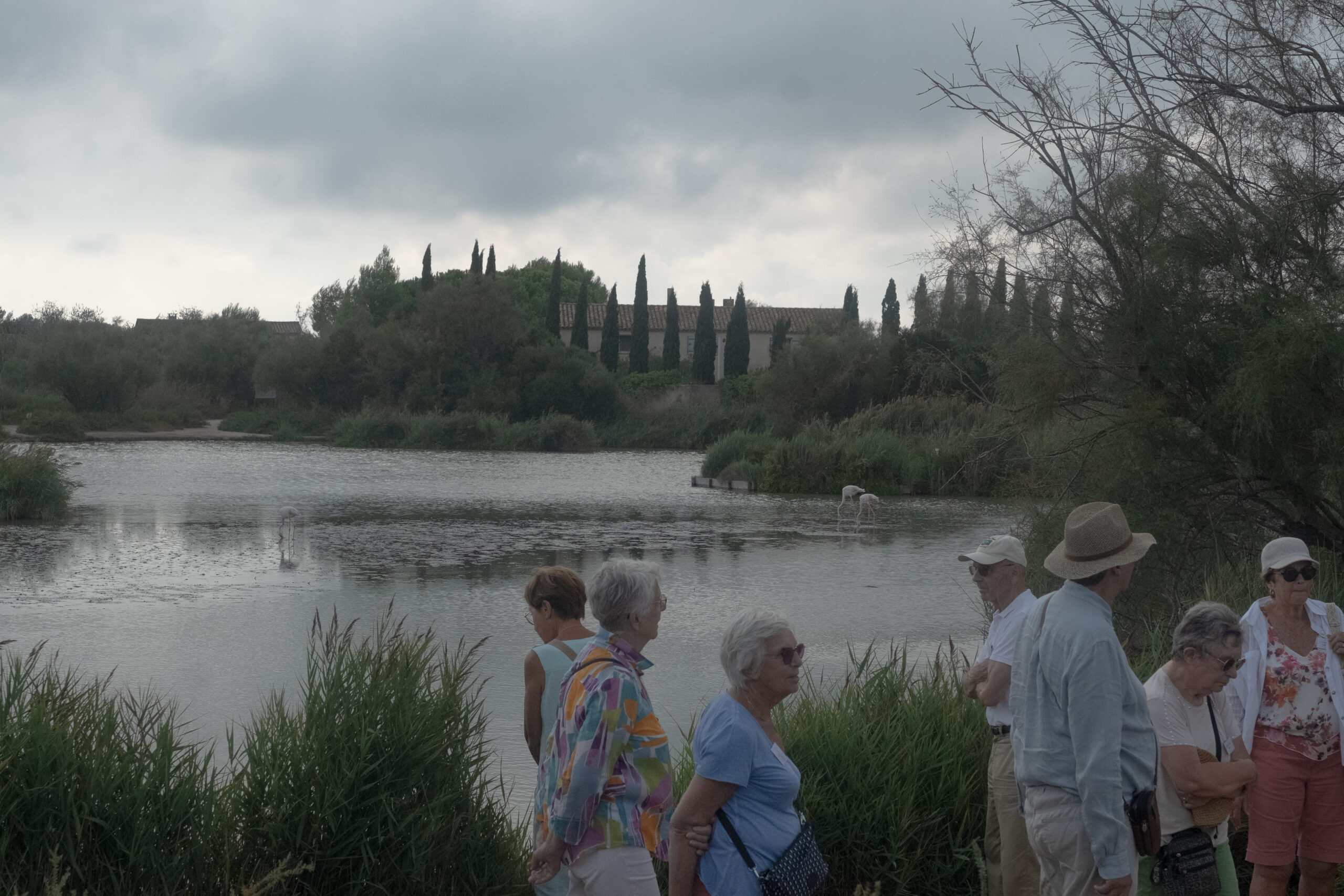
For five generations, the Camarguaise lived with the belief that the balance of Camargue is and forever will be stable. This ecosystem, that we believed to be stable, is starting to show cracks.Jean Jalbert · Tour du Valat
For Frédéric Raynaud, how big those cracks get will determine whether he'll be able to maintain a ranch that has been in his family for over a century.
I've always been here, grown up here, the animals have always been here. Leaving this place would be awful. But if one day the sea arrives here, we will have to go.Frédéric Raynaud
 010203040506070809101112131415161718192021222324252627
 282930
A dossier on bulls, salt, and a sea that does not stop.
Field reporting was conducted across the Rhône delta in September and October 2022. The reportage follows manadier families on both sides of the delta, the Raynauds at the eastern edge and the Grouls of the Manade Saint-Louis, and threads their lives with the science of sea-level rise documented at the Tour du Valat research institute in nearby Le Sambuc.
Names are retained at the subjects' preference. Quotations are reproduced as recorded in interviews. French terms (manade, manadier, course camarguaise, raseteur, gardien, fêtes votives) are preserved without translation.
- Photography
- Daniel Cole
- Plate 25
- Jordi Jon Pardo · September 2026
- Animation & data visualisation
- Jordi Jon Pardo
- Editor
- MÓN | Visual Journalism
- Field
- Aigues-Mortes · Saintes-Maries-de-la-Mer · Salin de Giraud · Manade Raynaud · Manade Saint-Louis
- Sources
- Tour du Valat research institute · municipal records, Saintes-Maries-de-la-Mer · Manade Raynaud and Manade Saint-Louis
- Subjects
- Frédéric Raynaud · Jean-Claude Groul · Jean-Pierre Grimaldi · Christine Aillet · Jean Jalbert
- Published by
- MÓN | Visual Journalism