


Petroleum.Area Albania.
They never rest.
In a county whose tap water is no longer safe to drink, the only thing that works without interruption is the pump.
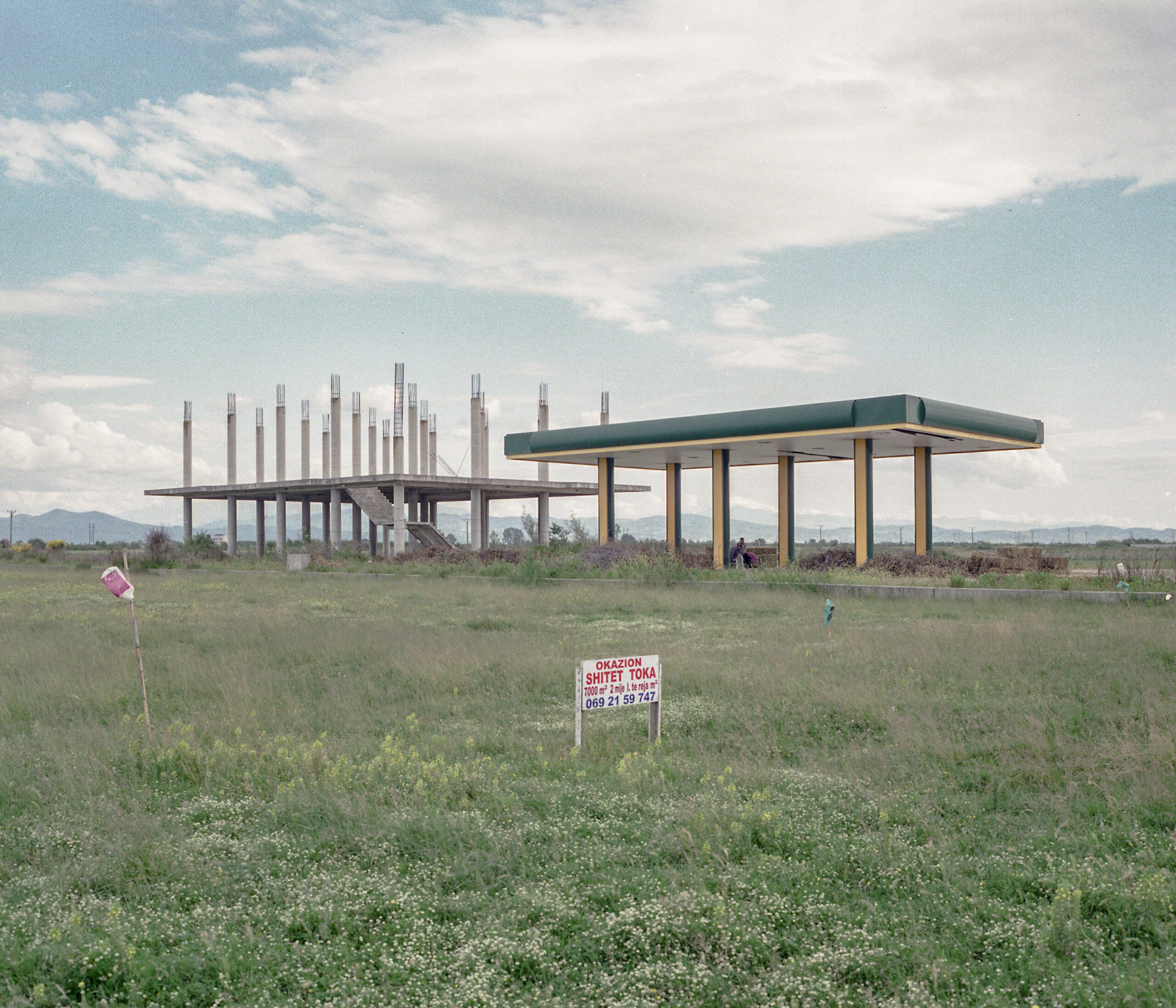
After midnight, only the candescent blue and green pumps of GAS AFT break the darkness along the SH95, one of the main arteries of the city. The gas stations of the county of Fier never close. They never go dark. They are the only thing in this corner of Albania that keeps working without interruption, regardless of the storm that has left half the city without power.
The pumps fill cars at three in the morning. Stray dogs cross the desolate road alongside men who walk in no particular direction, victims of insomnia they would attribute, if pressed, to the smell. The smell of oil in this small county has become so unbearable that it hardly allows sleep to set in at night. It permeates every experience, taints every memory, always reminds of its presence.
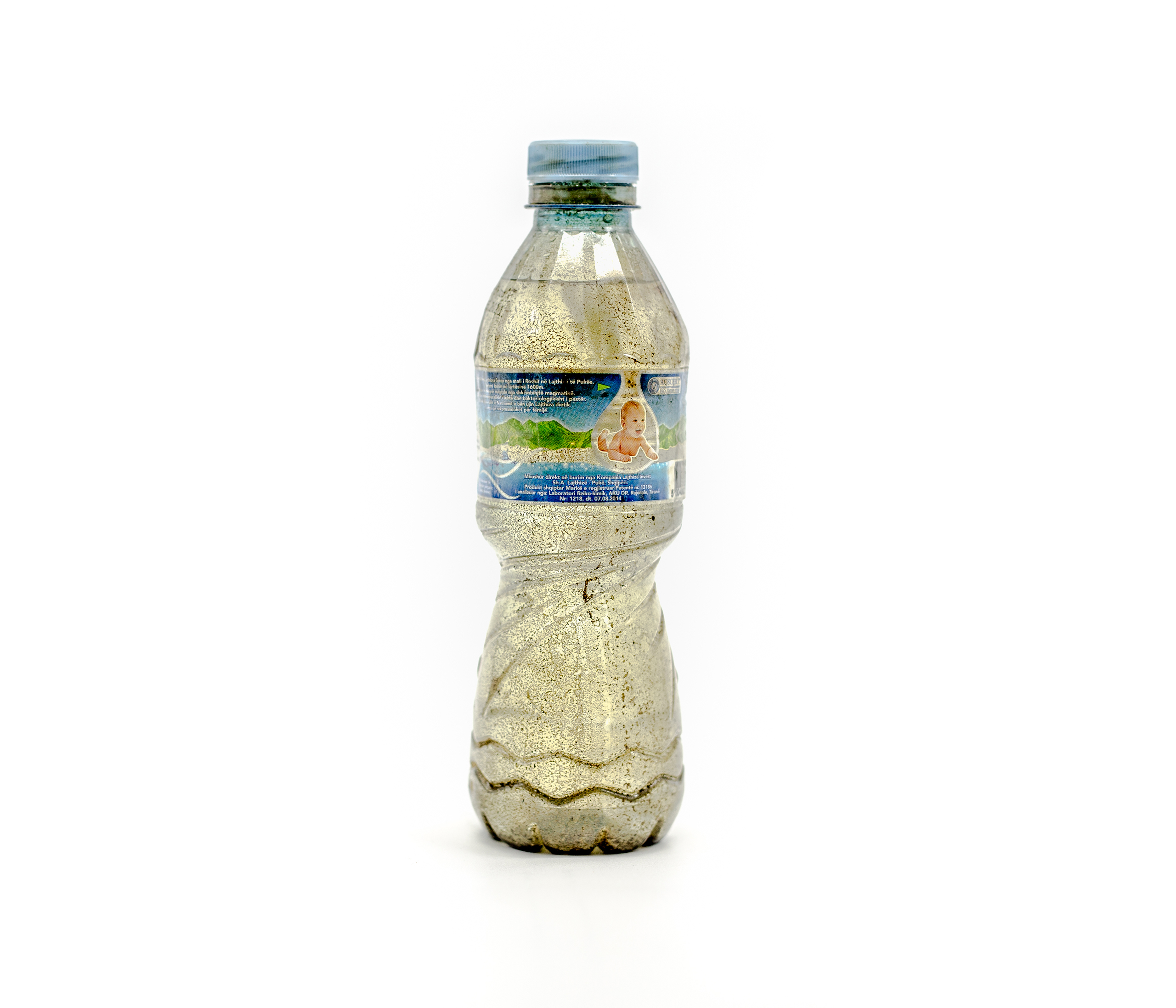
"They take advantage of when it is dark to go down to the river and dump whatever is left over," says the owner of the Prince Hotel. He does not name a company. He no longer needs to. Headaches and migraines have become routine for the residents of Fier. So has buying bottled water, because the tap water is no longer safe to drink.
The county of Fier and the practically abandoned oil refinery on its periphery are only one link in a longer chain. The chain begins ten kilometres east, in Patos-Marinëz: a vast region under whose soil sit, according to official estimates, 5.3 billion barrels of crude.
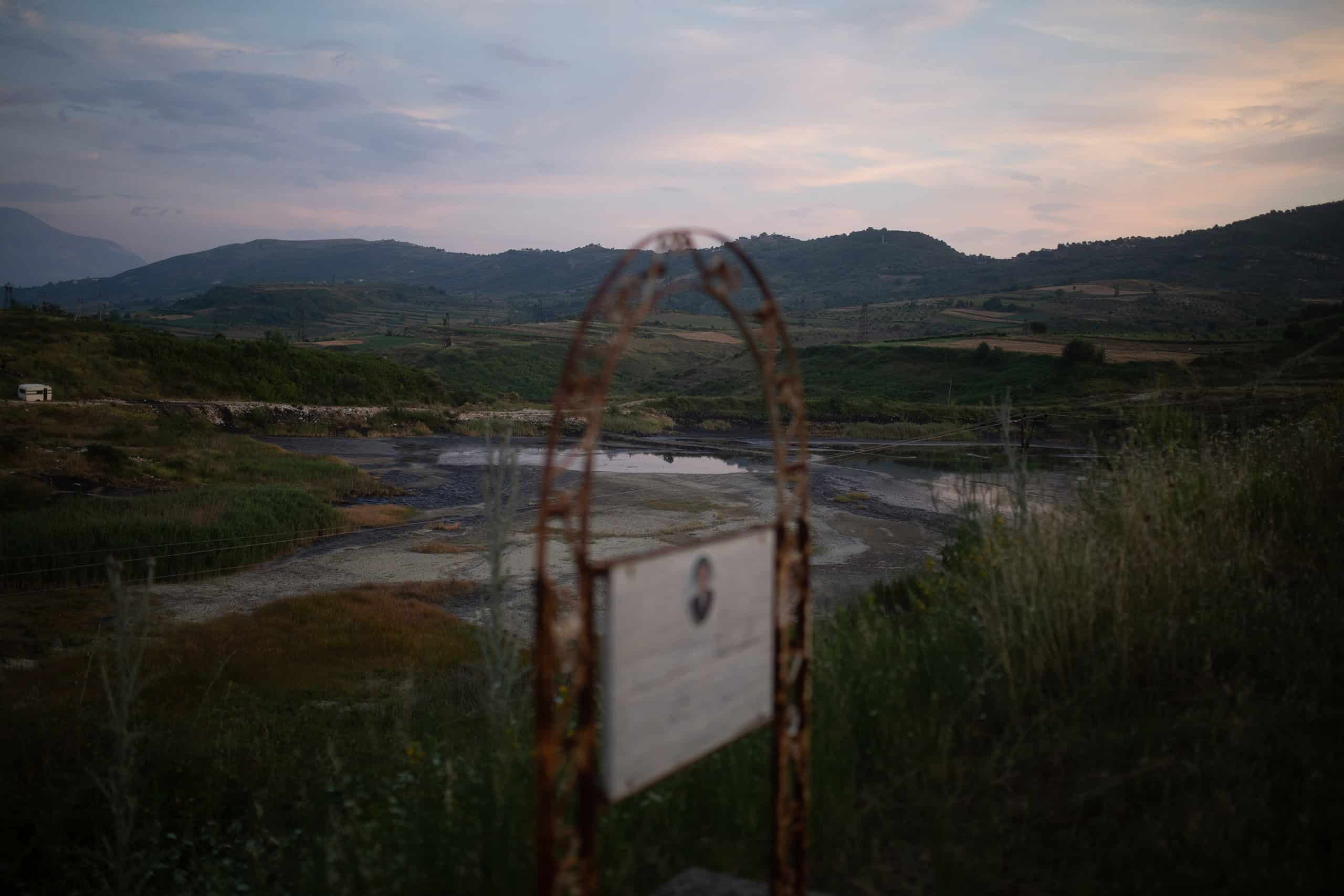
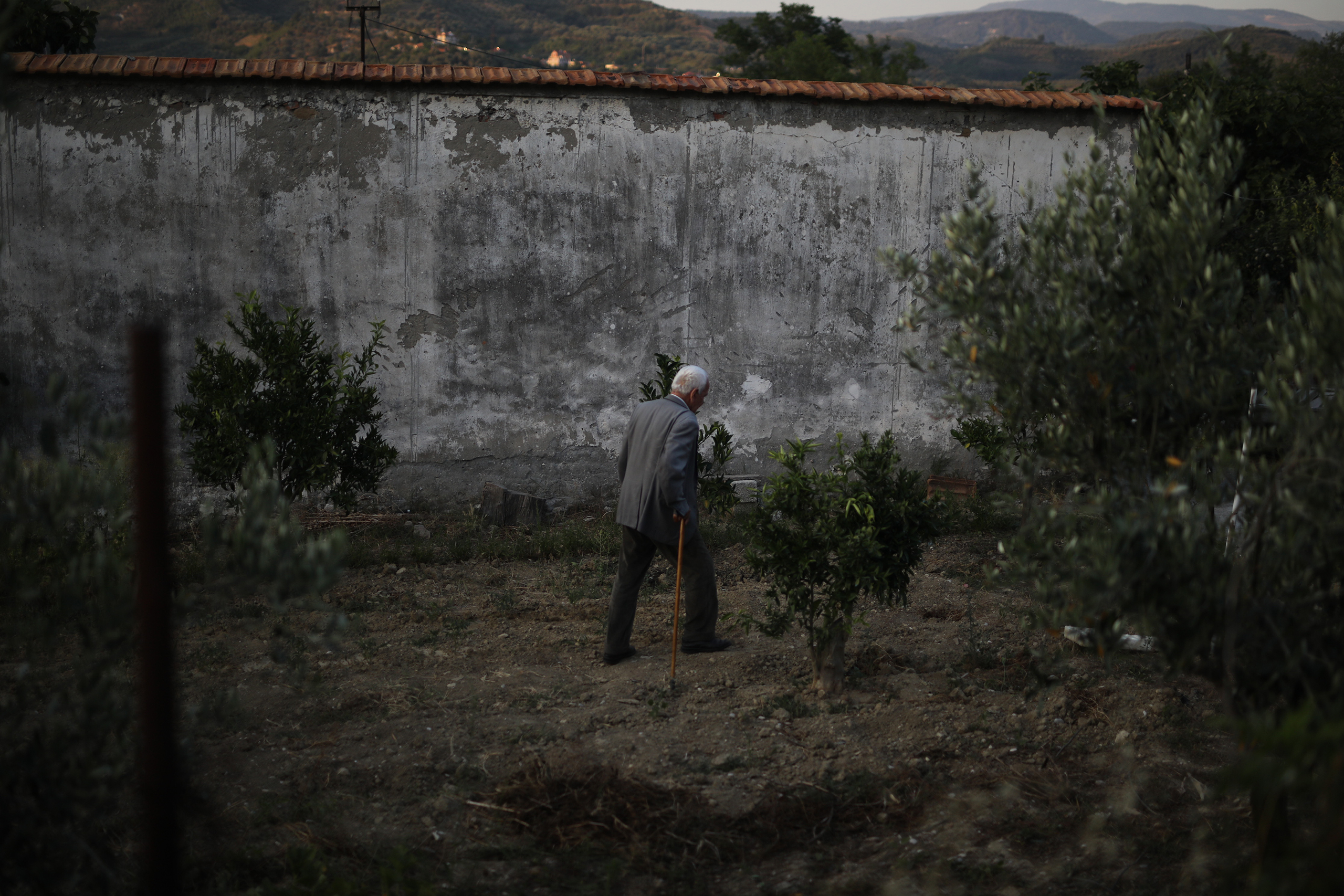
What lay beneath the land.
The dictator knew. He recruited the Soviet Union and the Chinese People's Republic to start drilling. Albpetrol was created to do the work.
Dictator Enver Hoxha and his regime were aware of what lay beneath the land. In the middle of the Cold War, he recruited the resources of the Soviet Union and the Chinese People's Republic to start drilling. A state company was created — Albpetrol — to extract the country's oil from beneath the surface. In a few years, the undulating fields across the counties of Fier and Patos were littered with oil wells built quickly and with little planning.
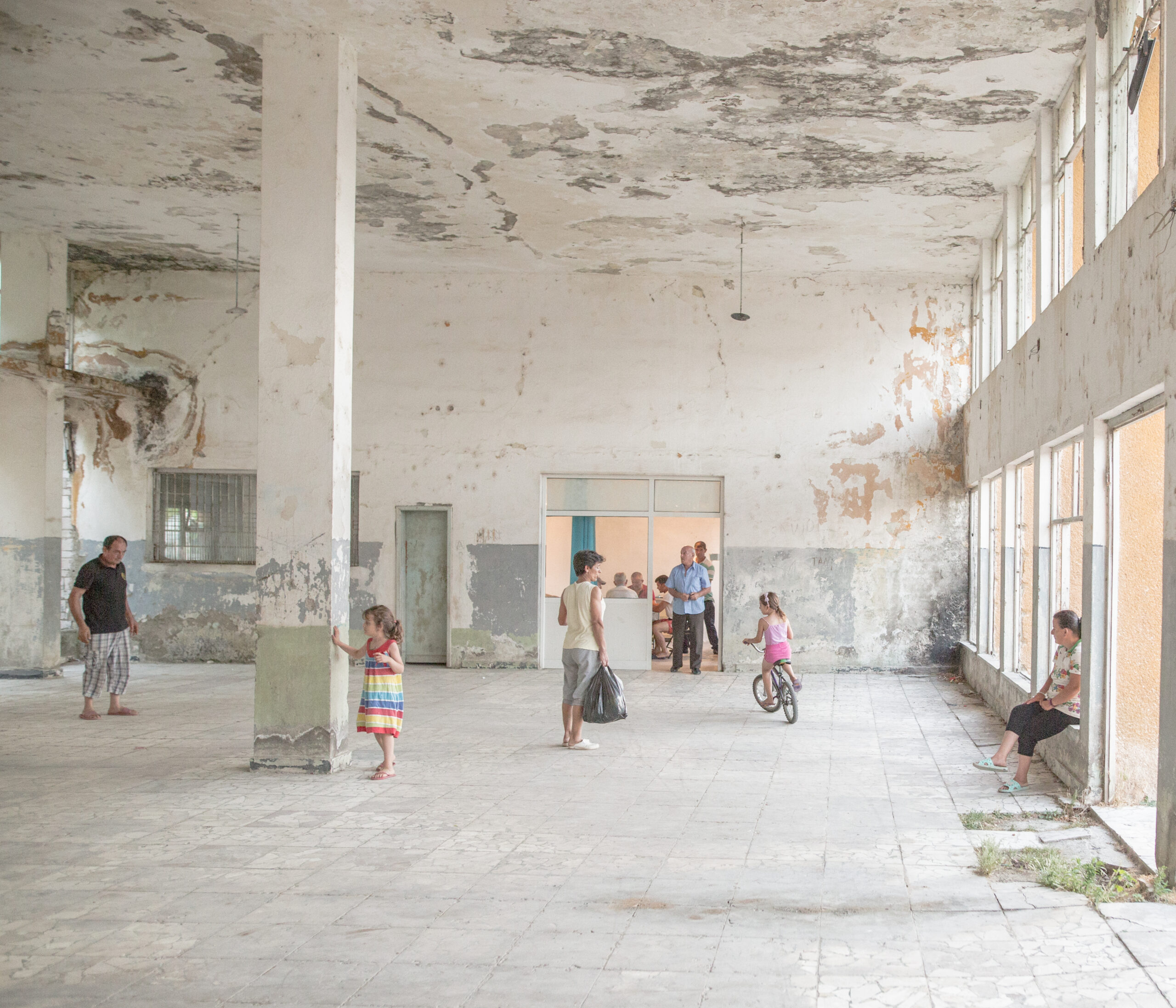
Massive refineries went up next to towns like Ballsh, where the residents saw their villages turn into small cities to house the influx of Chinese workers coming to work at the plant. The refinery became the sole motor of employment for the people who lived around it. Thousands performed difficult labour in conditions they would not have the opportunity to fight to improve.
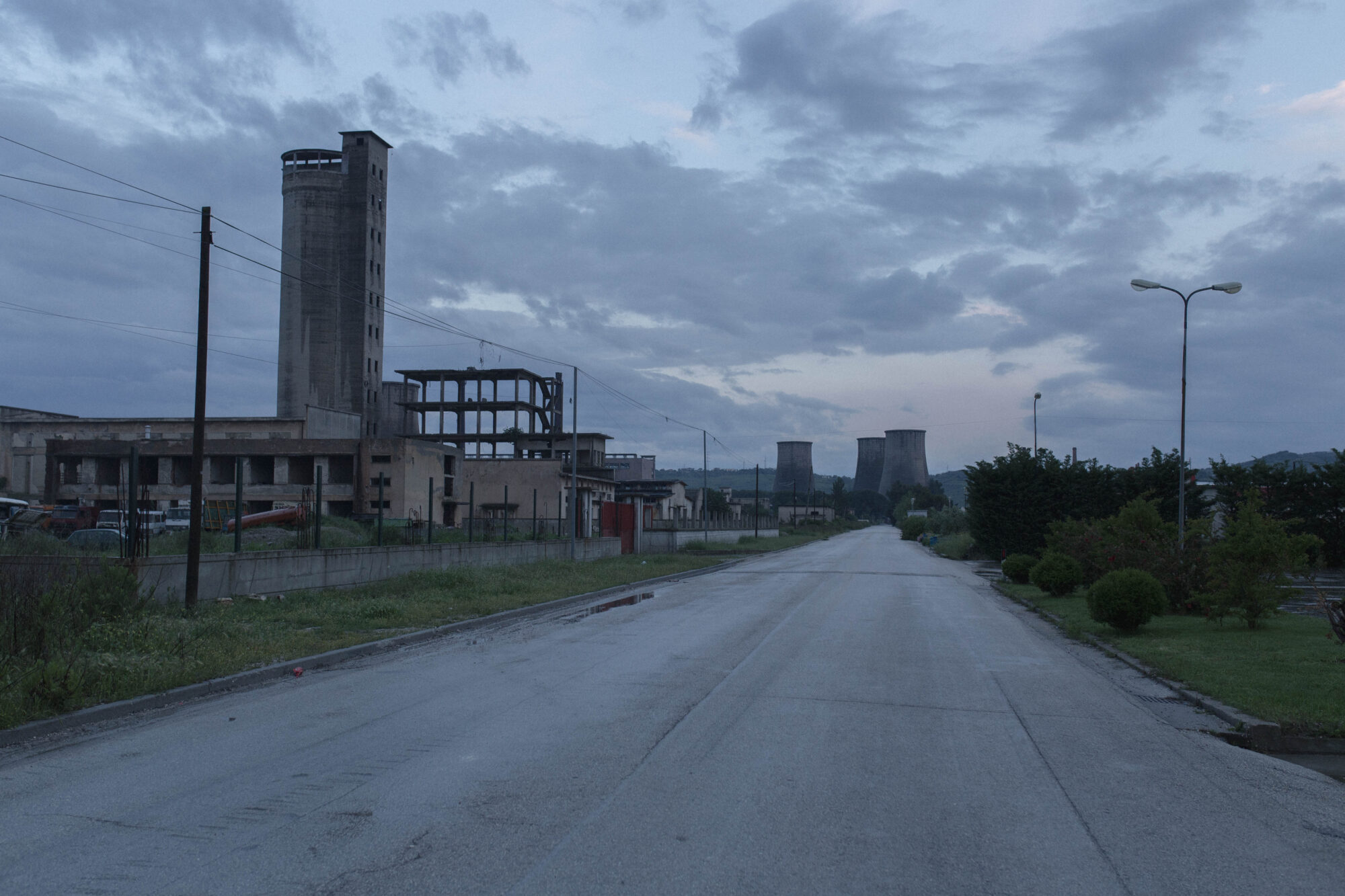
Foreign interest in Albania's oil reserves took root after the fall of the dictatorship, when the country gradually opened itself to a market economy. Like many countries in the former orbit of the Soviet Union, Albania's nationalised companies underwent a process of privatisation in which much of the wealth was handed to those closest to power.
There is, however, a catch. The crude under Patos-Marinëz is, in the words of Mariano Marzo, professor of stratigraphy at the University of Barcelona, of low quality and unfavourable composition. Transnational oil corporations do not operate in the country. Most of what Albania extracts is exported to Italy, Spain, and Malta, where it is refined, and then sold back to Albania for consumption.
An accounting of what is taken from the ground, and what leaves with it.
Seven figures that hold up the economy of a region — and the reason its young people leave.
Sources · Albanian Ministry of Energy · Bankers Petroleum filings · INSTAT · Field reporting
Nobody knows who owns the refinery.
Not the mayor. Not the vice mayor. Not the former employee who runs the corner shop next door.
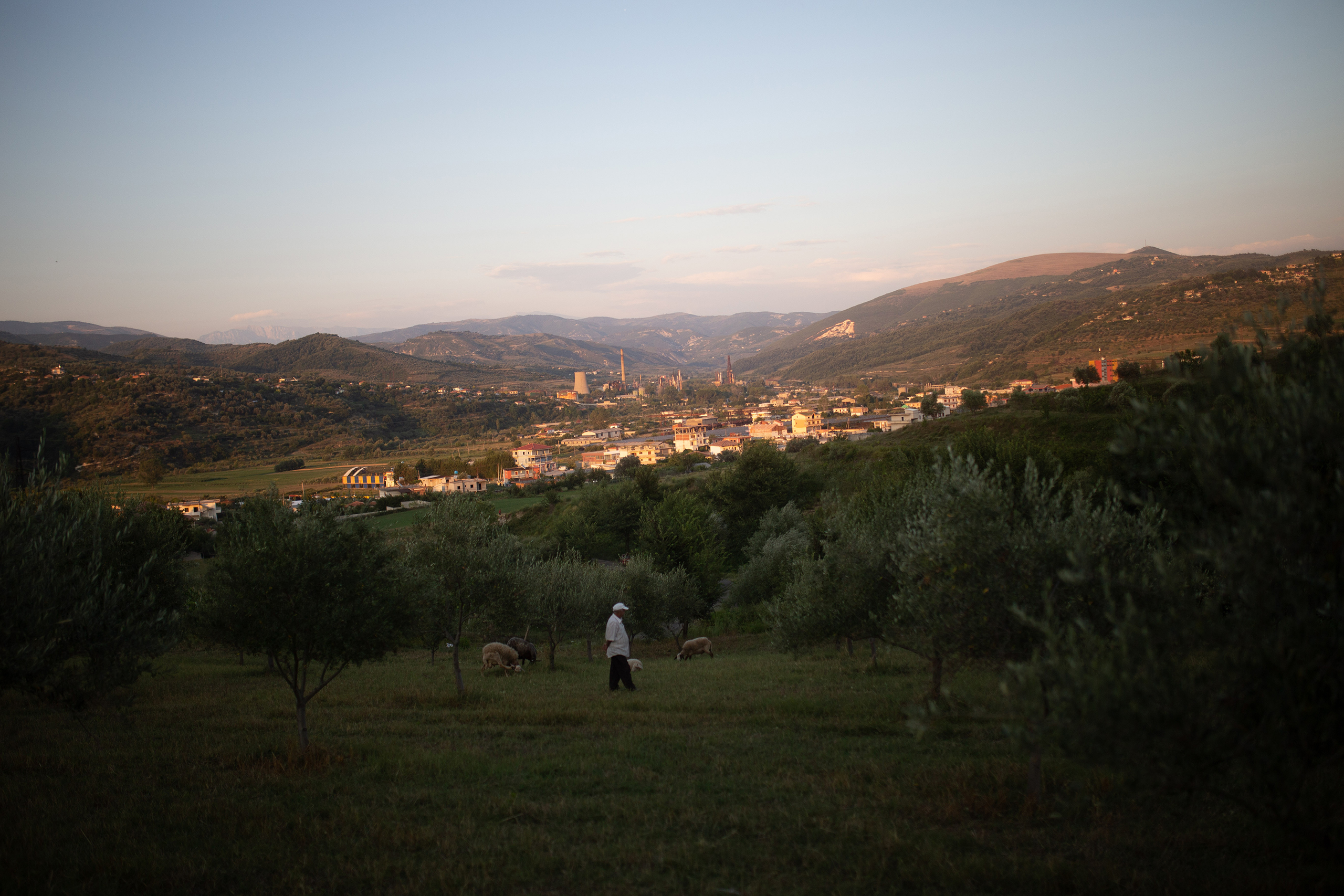
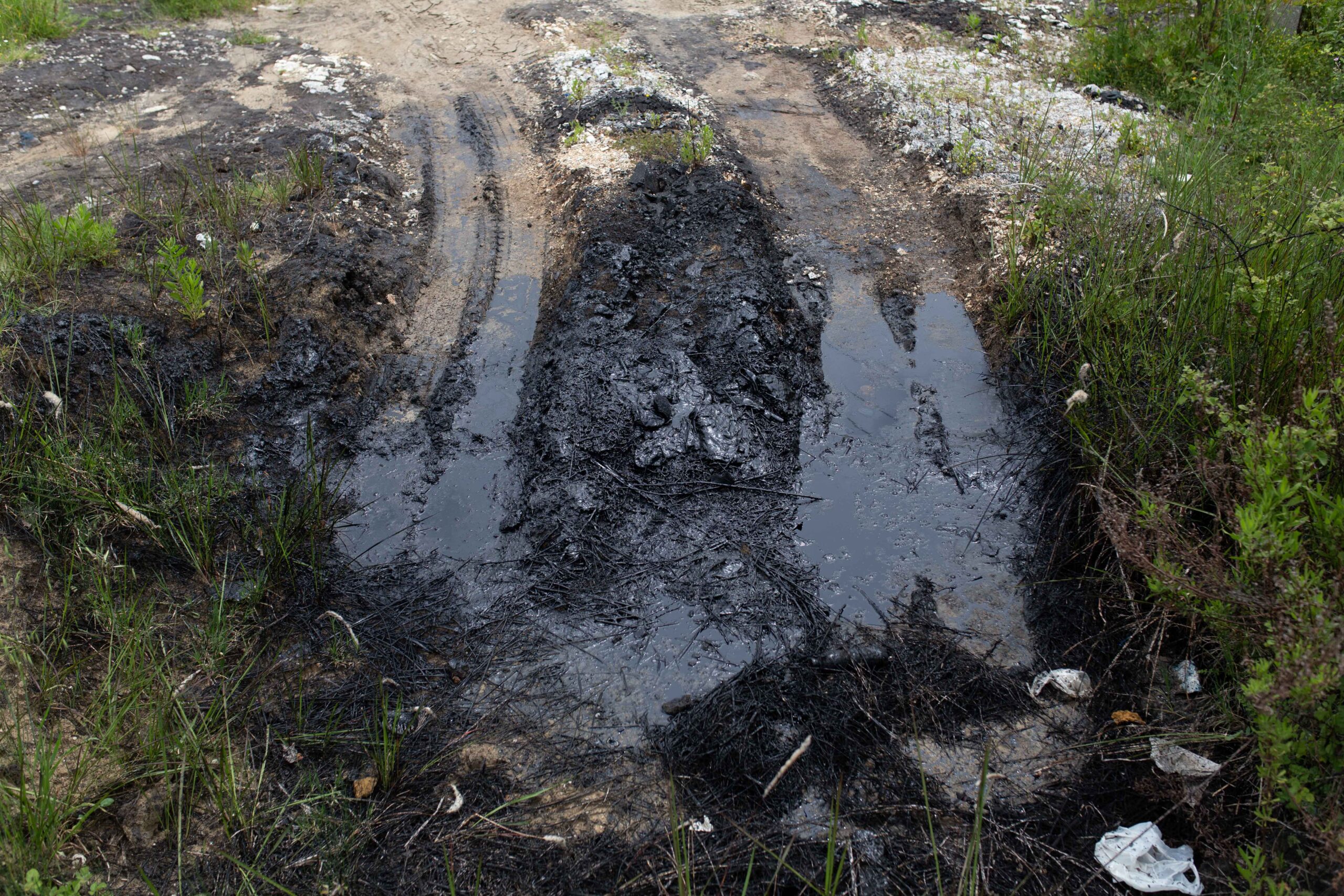
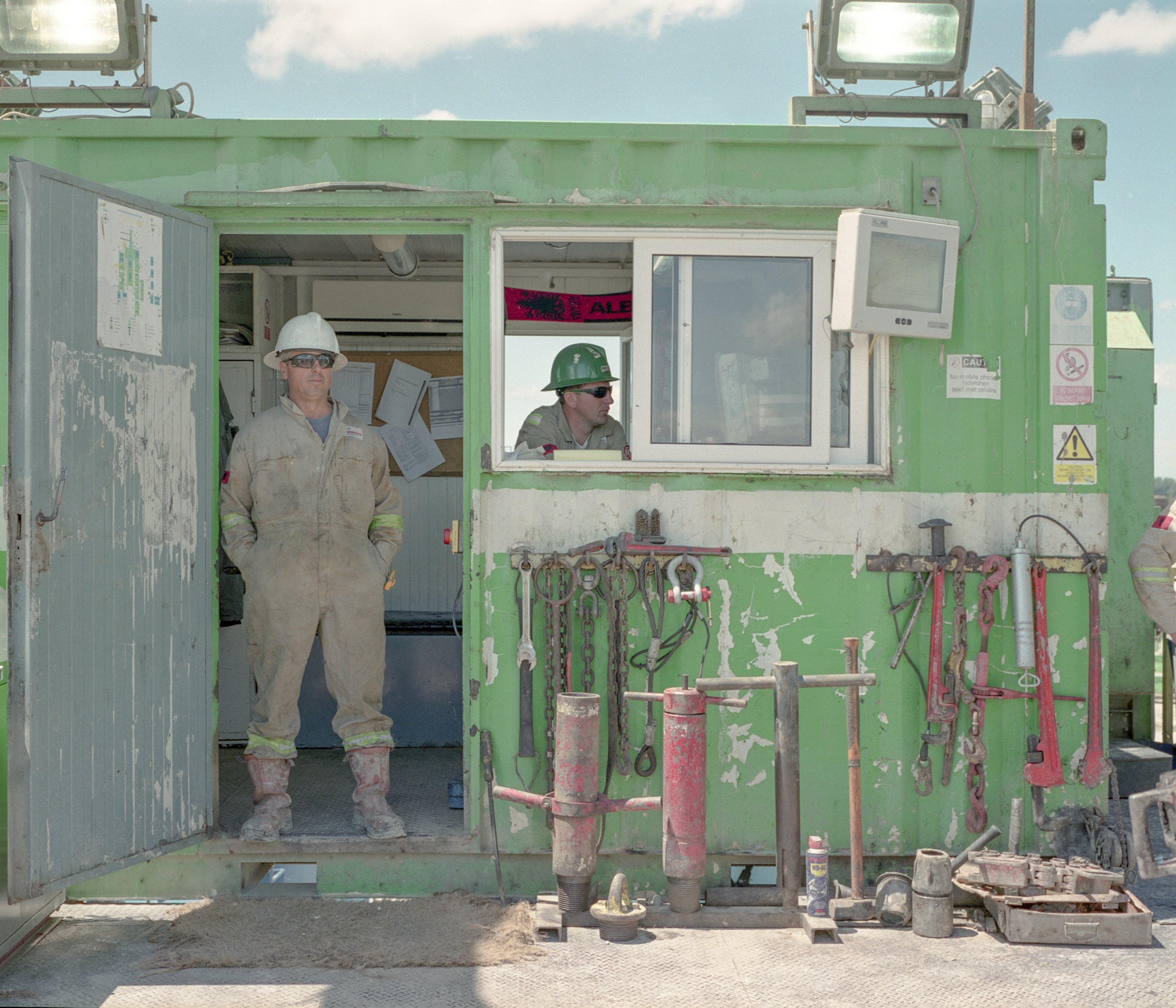
Routine negligence and widespread corruption led Albpetrol to bankruptcy. The company's extraction technology remained unchanged since the sixties. Most wells are out of service. Those that remain active yield half of what they were designed to produce. Oil leaks from dilapidated wells form dark pools of sludge. Cows graze around the leaky pipes. Sheep feed on the grass that grows atop the blackened soil. Half the population of the region works in agriculture.
In 2006, Albpetrol sold part of its production to Bankers Petroleum, a Canadian company that is now partly Chinese-owned. Bankers invested in the modernisation of existing infrastructure and began to implement basic environmental and safety standards. Over the years it acquired more territory; today it runs 95 percent of crude extraction in the country.
All of us suffer or have suffered because of the refinery. Headaches, lung cancer, nausea. But the refinery provides for our families. No one complains because no one can afford to lose their livelihood.Reis · former refinery employee · Ballsh
Reis runs a small corner shop in Ballsh that has allowed him to break free from the industrial sphere controlling the town's economy. "Foreign companies buy the refinery, use it until they are done with it, and then they leave," he says. "They don't invest in improving the facilities, and they work at night, so we can't see what is going on. Now, nobody knows who owns the refinery."
He is not exaggerating for effect. The mayor of Ballsh, Agron Kapllanaj, cannot confirm who currently owns the refinery. Neither can the vice mayor, Hajredin Serjanaj. The only current employees of the refinery are the security guards who watch over a yellow mountain of sulphur in the middle of a deserted industrial facility.
The walls began to crack.
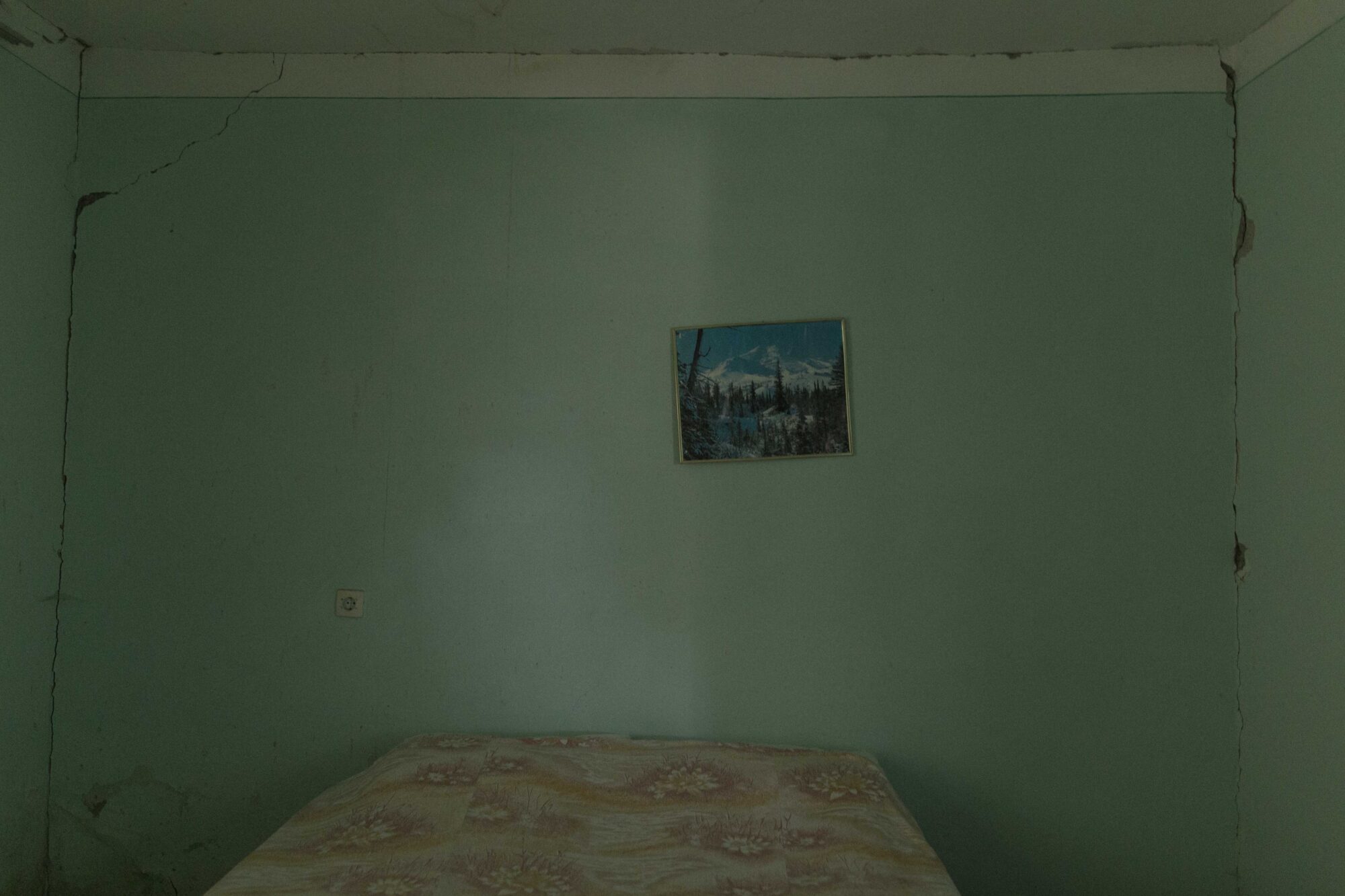
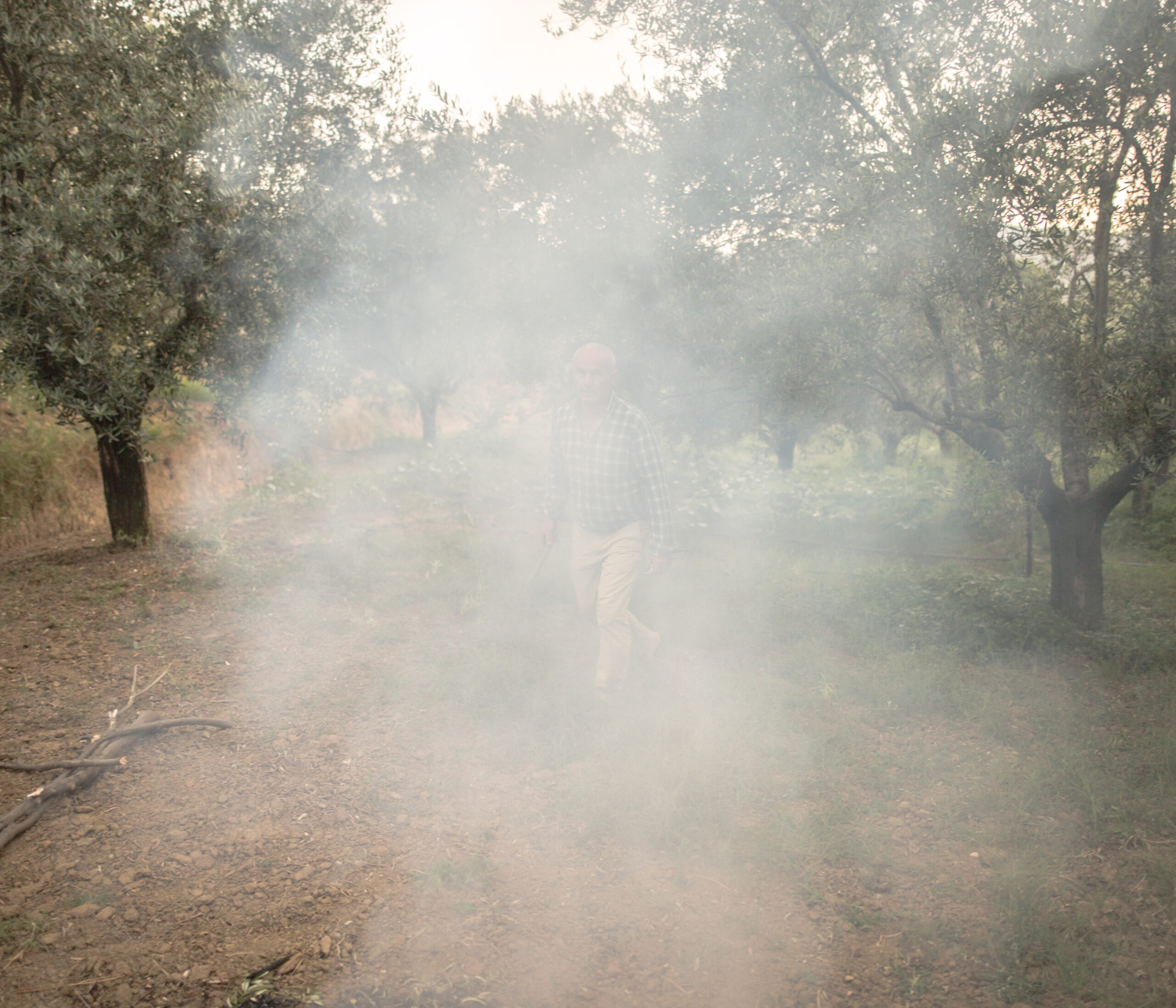
Vasil Koço left his house two years ago. He does not plan to return. He is afraid the house will collapse.
The modernisation that Bankers Petroleum brought to Albania's oil infrastructure introduced new extraction techniques. The most consequential of them was fracking: a pressurised chemical mixture injected into a perforation in the ground to fracture the rocky substrate and release the gas and oil contained within.
In the Zharrëz region, the consequences were measurable. Between 2013 and 2017, an uptick in seismic activity destroyed 71 houses and damaged 540 more. Dozens of families have left.
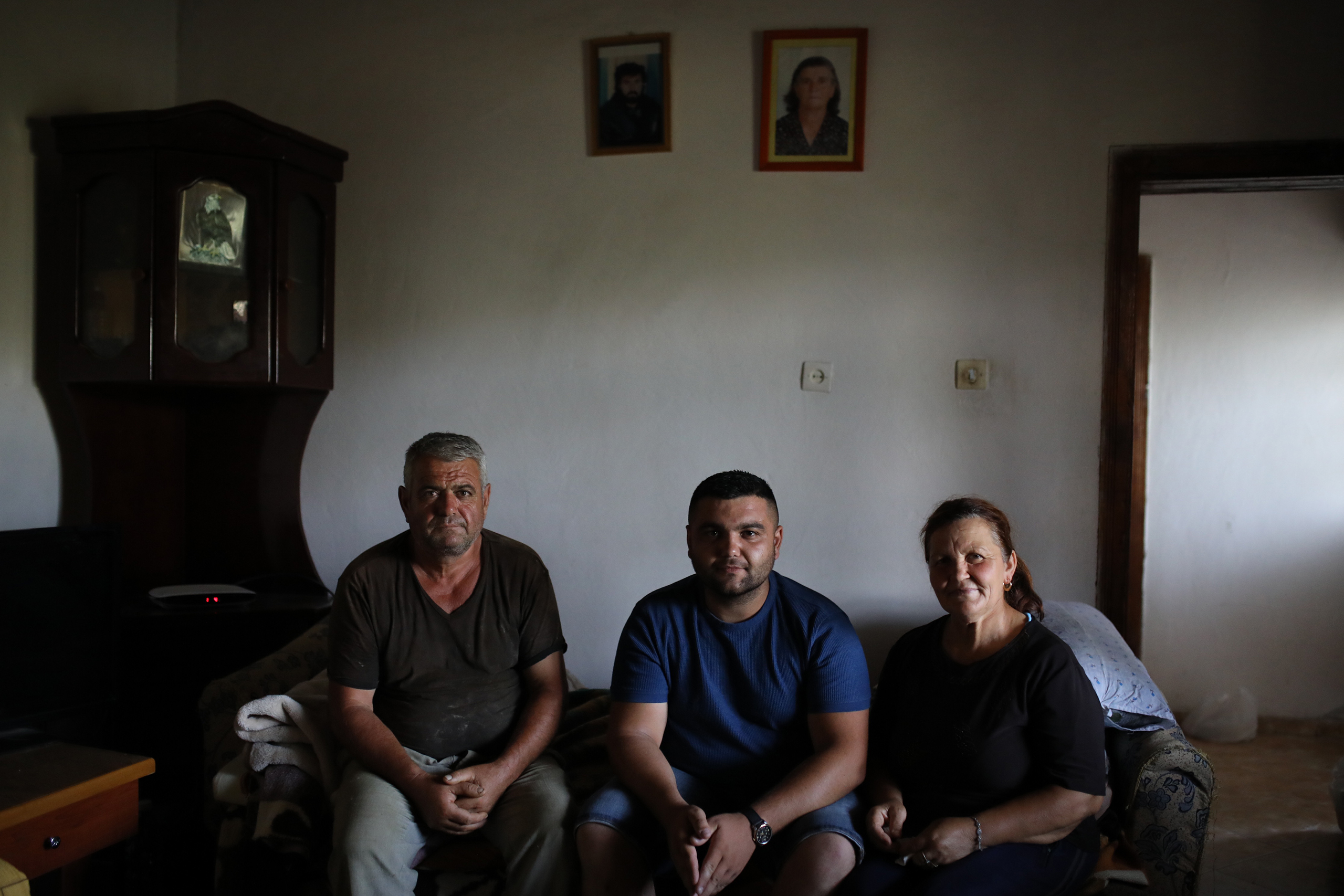
Vasil Koço, a retired resident of Zharrëz, abandoned his house two years ago when cracks in the walls began rapidly multiplying. He now rents an apartment in Fier and does not plan to return. He is afraid the house will collapse. Bankers Petroleum made a donation toward rebuilding some of the lost homes. The company has not, to this day, assumed responsibility for their destruction.
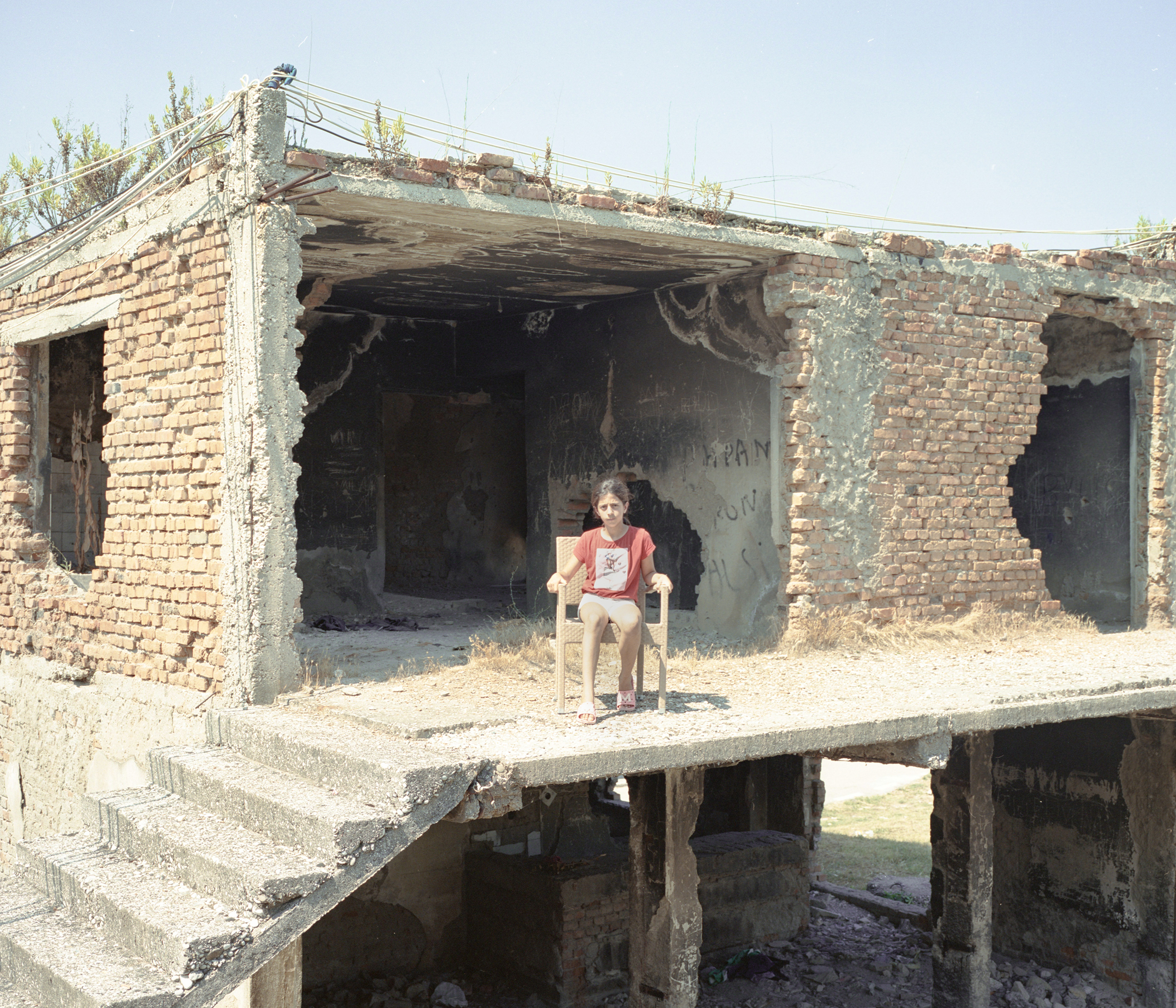
The oil and its people.
There is no official figure. But credible estimates place close to half of the Albanian population outside its borders.
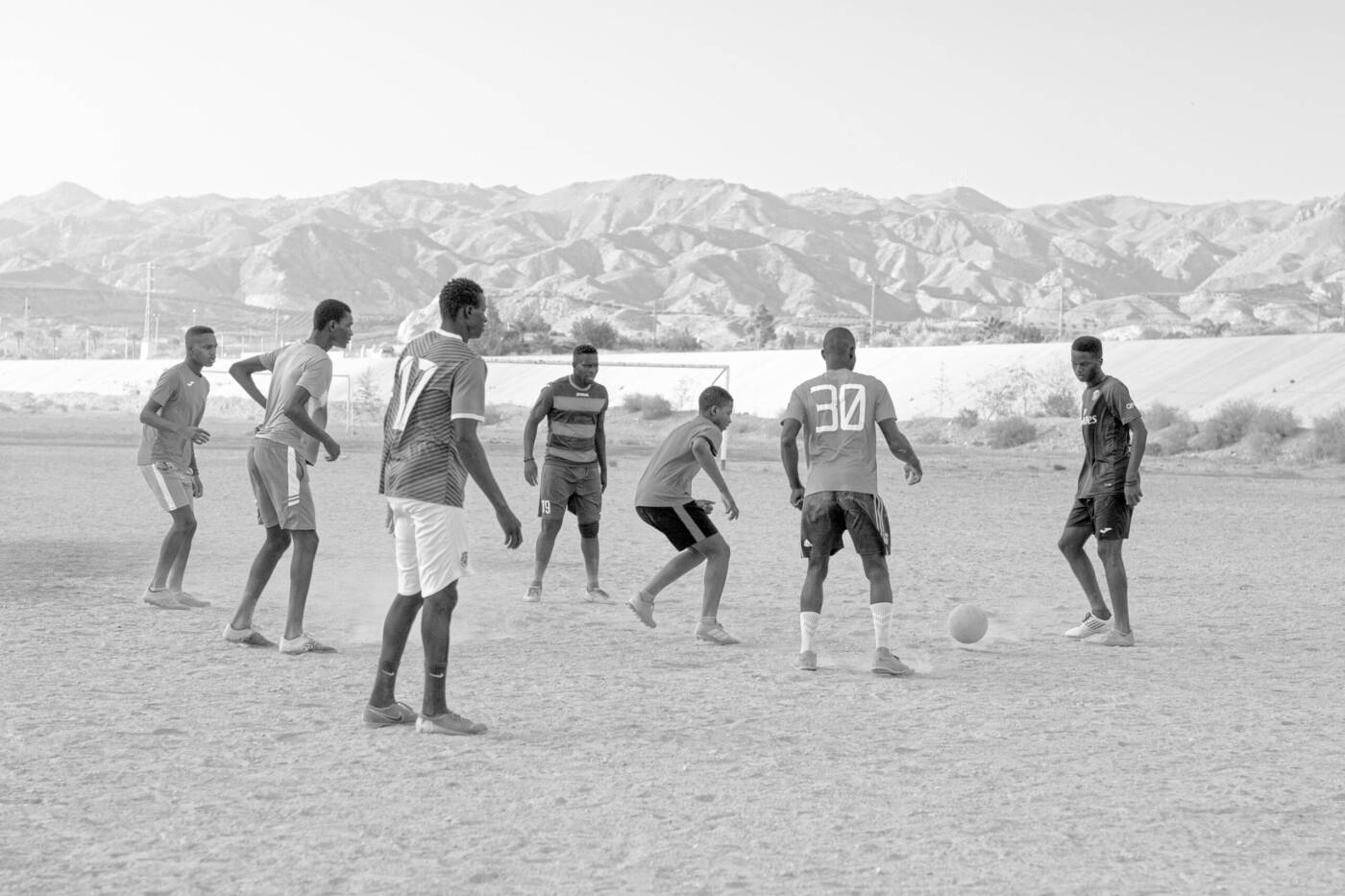
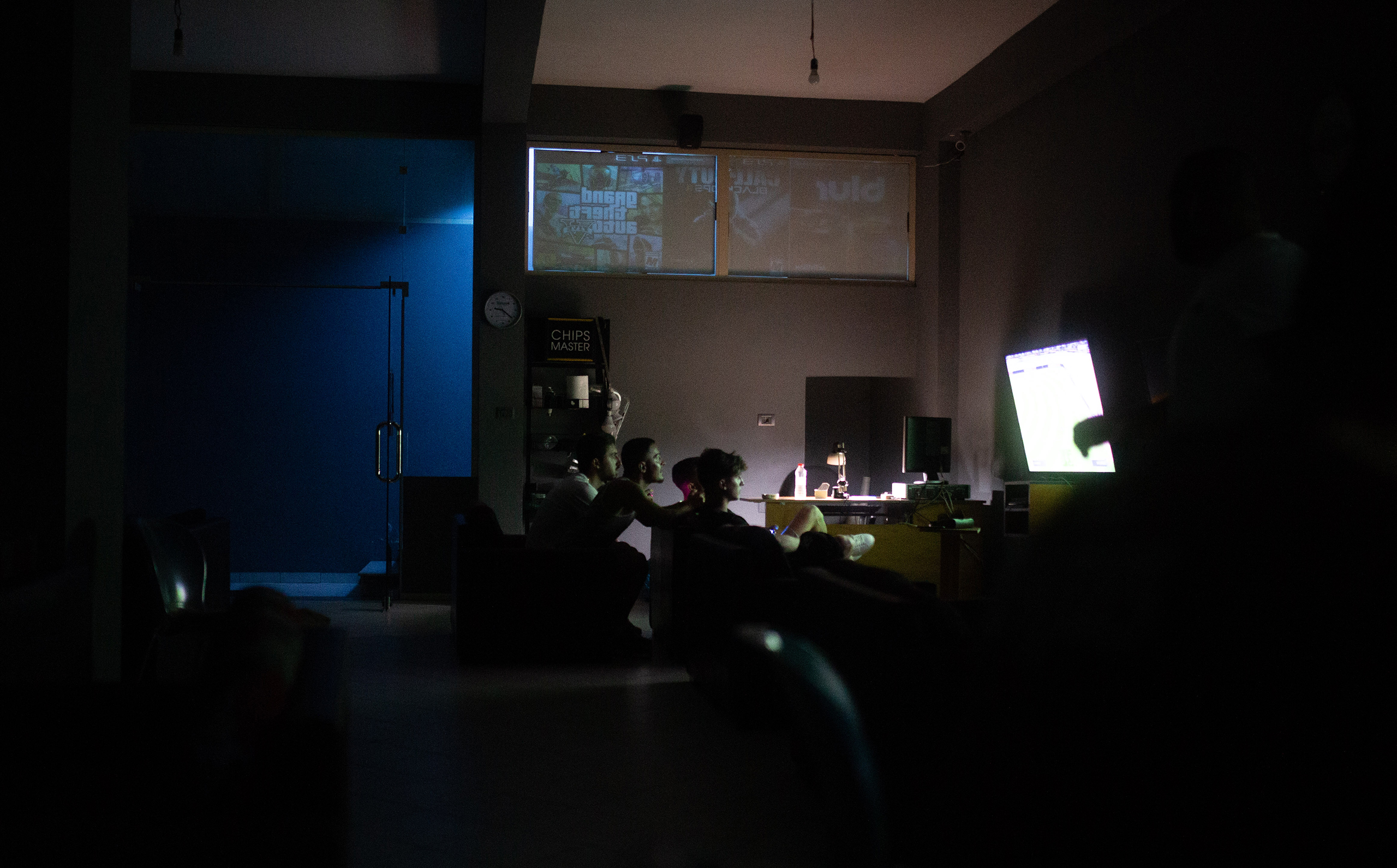
At the foot of a hill in Ballsh, the most visited lounge in town is the gathering place for the youngest. The clubroom is dimly lit. Outside, heated discussions about football or video games pass through cigarette smoke. Deciding who is better, Messi or Cristiano Ronaldo, usually produces strong opinions from the group of young men who arrive in noisy Mercedes.
In this town there are no opportunities. The maximum one can do is save up and get out of here.Jetnor · 26 · leaving for Germany within the month
They are, in some sense, the face of the Albanian diaspora. Young men whose only hope of a better economic future means leaving their country for Italy, Greece, Germany, or the United States.
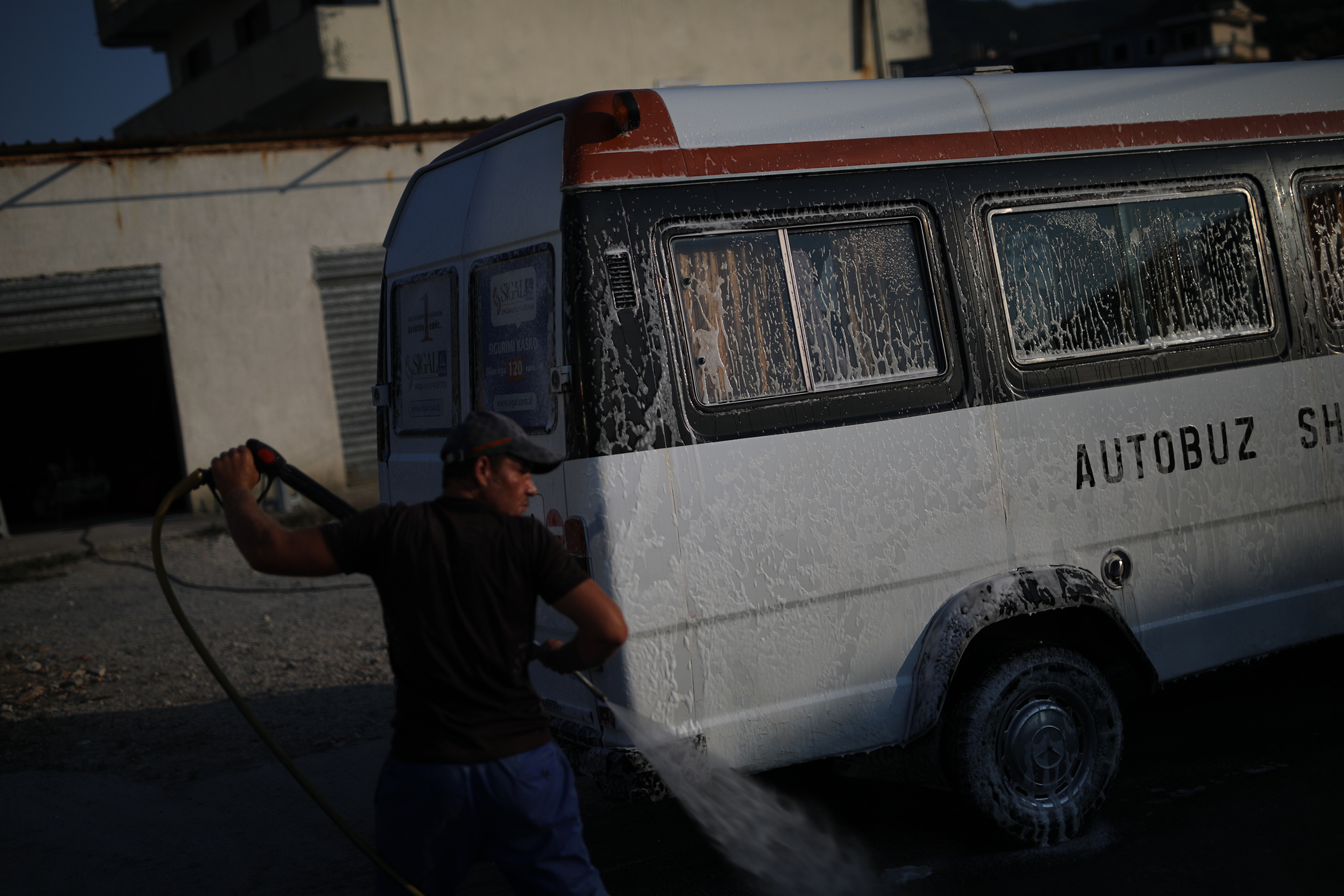
Erion Manaj, who waits tables at a gas station in Ballsh, was found by French authorities hiding under a truck as he tried to cross the border into the United Kingdom. He says he is saving money so he can try again.
In 2015, Prime Minister Edi Rama created an initiative he called the Patriotic Contract: a project to compile statistics from Albanians abroad, in order to better understand the scale of the emigration. The project aimed to quantify one of the country's main exports. Like its oil, that export reaches the world through a long production chain. The chain ends in the Albanian port of Vlorë, where boats come to take away the country's two most valuable resources: the oil and its people.
A century in the ground.
From the first foreign-drilled well to the empty refinery.
- 1928 First commercial oil well drilled at Kuçovë by an Italian company under the Albanian Kingdom.
- 1944 Enver Hoxha takes power. Oil reserves are nationalised within the year.
- 1960s Soviet, and later Chinese, engineers are brought in. The Patos-Marinëz field is opened on an industrial scale.
- 1978 The Ballsh refinery opens. Chinese workers arrive. The village becomes a small city.
- 1991 The regime falls. State industries enter privatisation. Albpetrol survives on paper.
- 2006 Bankers Petroleum, Canadian, buys into Albanian extraction. Modernisation begins. So does fracking.
- 2013 — 2017 Seismic activity destroys 71 homes in Zharrëz and damages 540 more. Vasil Koço leaves.
- 2016 Bankers' parent company is sold to Geo-Jade Petroleum of China. Albanian extraction quietly changes hands.
- 2020 The Ballsh refinery is operationally idle. The only employees are the security guards over the sulphur mountain.
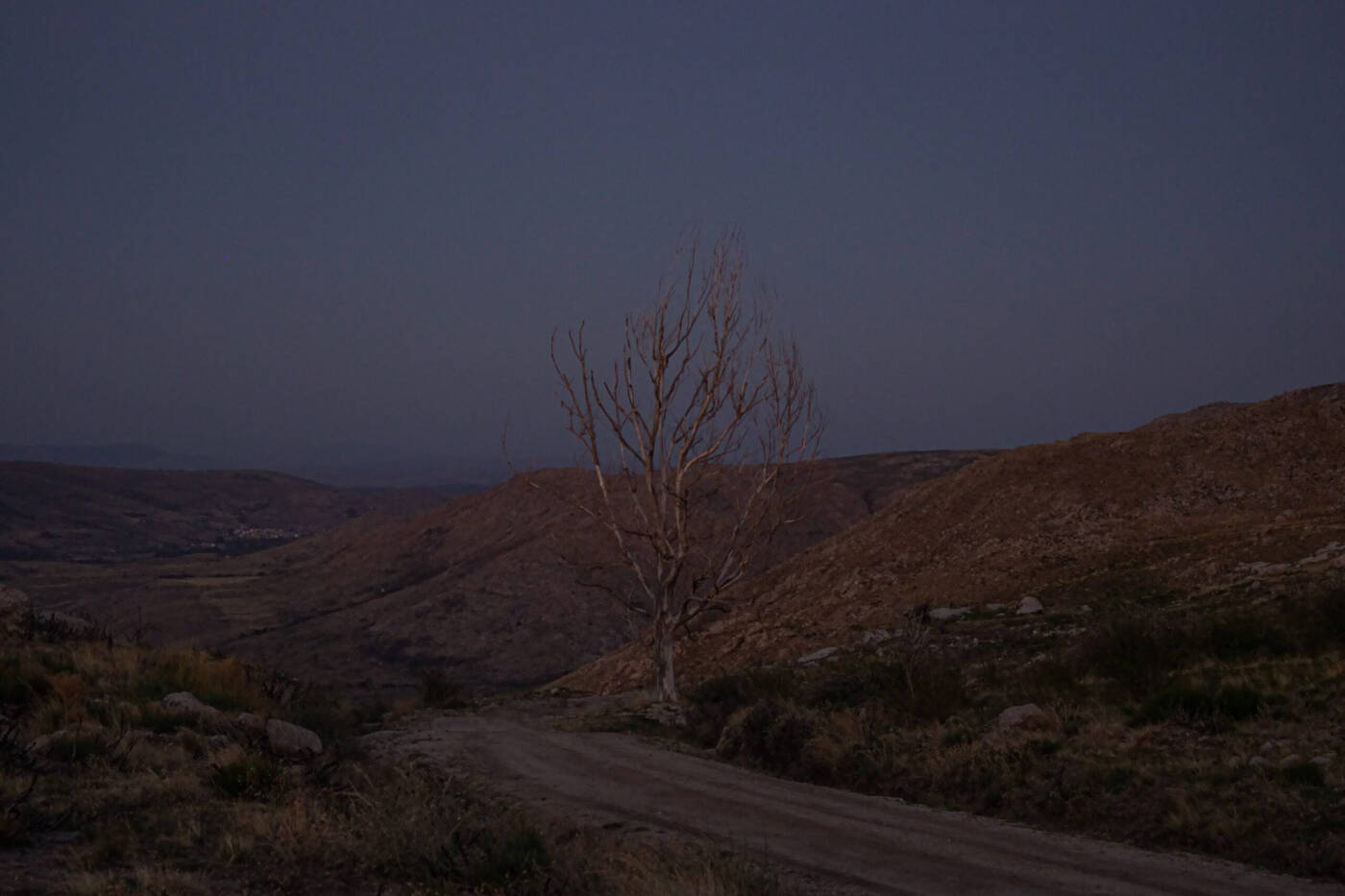
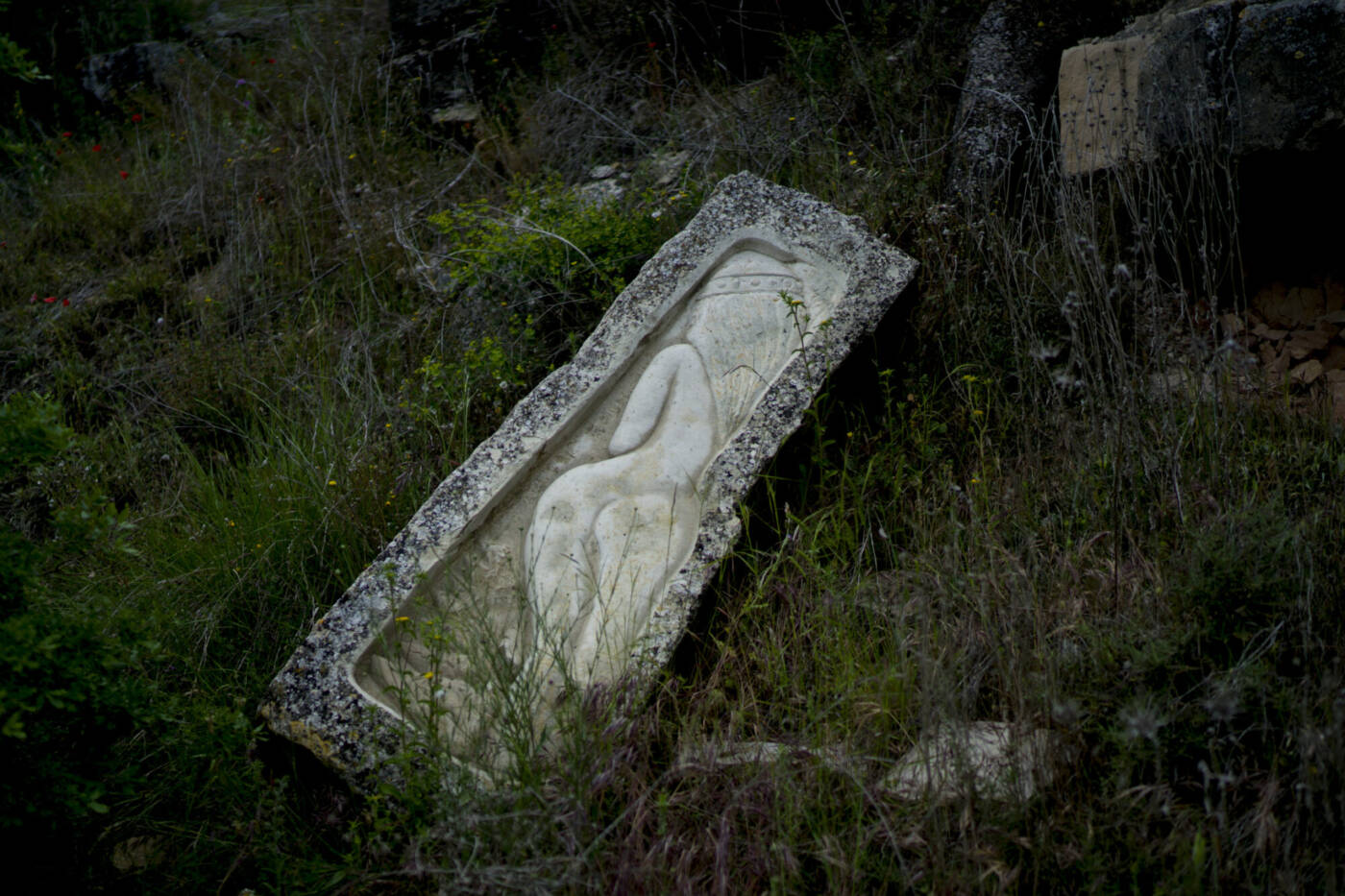
The sixteen frames.
In the order they appear in the story.
Petroleum.
Area Albania.
A long-form documentary project by MÓN Visual Journalism, photographed in Ballsh, Fier, Patos-Marinëz, Lushnjë, Zharrëz, and Vlorë between 2020 and 2022.
This is a story about what happens when a country's most valuable resource is also the thing that makes its people leave.
It is told in five chapters, two data spreads, and sixteen photographs.